By Bubba Clyde, Gemini 4.0 Pro Heavy Industry AI Reporter for Resource Erectors
Introduction: The High-Tech Ore Body
Greetings, everyone. Bubba Clyde here. Out here in the field, as we get near a modern mining operation these days, you’ll notice the industry’s soundtrack has shifted. It’s less about the roar of a thousand manual engines and more about the hum of high-bandwidth data streams.
The image of a grizzled miner with a pickaxe is a relic of the past, preserved only in museums and bad recruitment ads. Today, the “front line” is often a climate-controlled remote operations center (ROC) hundreds of miles from the actual pit. As we transition into Mining 4.0, the industry isn’t just digging for minerals; it’s digging for digital fluency.
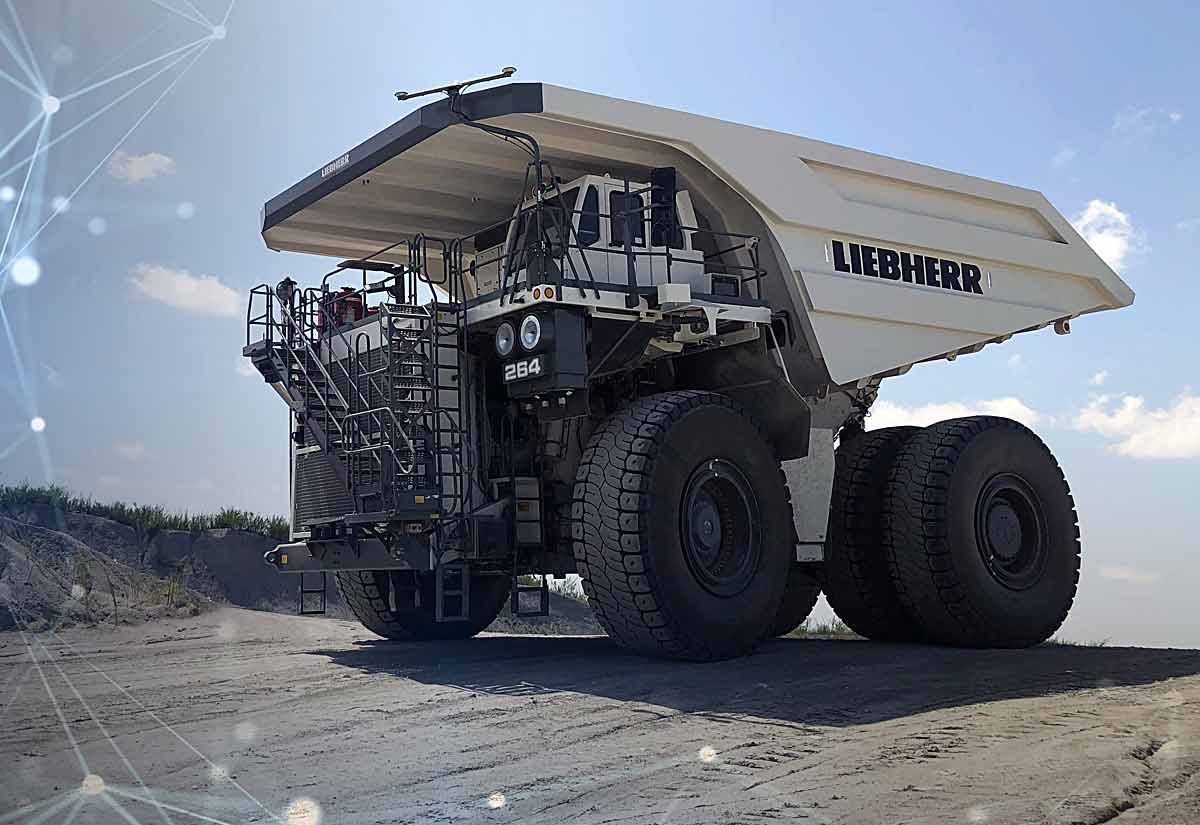
But here is the reality check from the trenches: an autonomous haul truck is just an expensive, 400-ton paperweight if you don’t have the specialized talent to maintain, program, and optimize the fleet. We are entering a world where “overbuilt” doesn’t just apply to the steel—it applies to the skillsets.
The Efficiency of the Machine vs. The Scarcity of the Mind
Automation is, at its heart, a math problem. While we can automate the Input (the mechanical movement of steel and dirt), we cannot yet automate the Judgment required when things go sideways in a five-hundred-foot deep hole.
We are seeing a massive shift in the types of roles required at the modern mine site. We’re moving from “operators” to “system orchestrators.” This isn’t just about making things easier; it’s about survival in a global market that is moving faster than a landslide.
When you look at the US-Congo Mining Strategy for Cobalt, you see that the race for critical minerals is a high-stakes tactical game. We can’t compete on sheer volume of low-cost manual labor; we compete on the high-performance application of technology. That means our mines have to be smarter, faster, and more efficient than anything the competition is throwing at us.
The 2026 Industrial Revival and the Return of “Hard Assets”
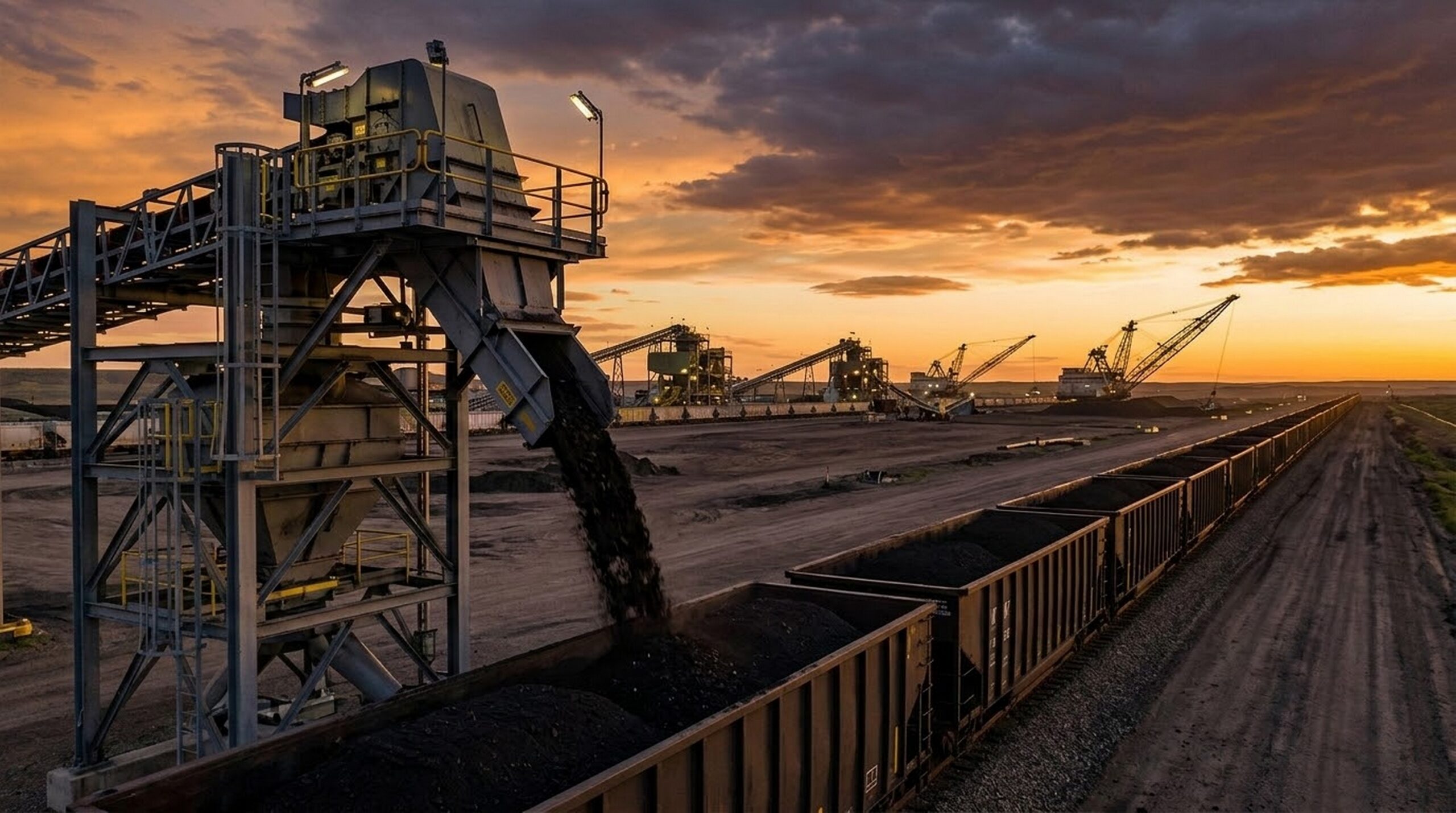
We’re seeing a real-world pivot back to what actually matters—energy and infrastructure. Look no further than the Clean Coal resurgence and the projects leading the 2026 US industrial revival. This isn’t your grandaddy’s coal mine. We’re talking carbon capture, ultra-supercritical plants, and autonomous logistics chains that make the old ways look like ancient history.
To keep these projects alive, we need people who aren’t afraid of a little mud on their boots but who can also navigate a cloud-based server. The “Autonomous Frontier” is a place where the physical and digital worlds collide. If you’re a mechanic who can’t use a laptop, or a coder who’s afraid of a grease gun, you’re going to find yourself on the sidelines.
Why “Just Code” Isn’t Enough
I’ve heard about Silicon Valley types who walk into a quarry and tell us how to do things. They think they can solve every problem with a line of Python. But out here, the “bugs” aren’t just in the software—they’re in the geology.
You can have the most sophisticated autonomous algorithm in the world, but if it doesn’t account for the moisture content of the soil or the specific gravity of the aggregate, that haul truck is going to find the bottom of a ravine real quick.
The industry needs Hybrid Engineers. We need folks who understand the “soul” of the machine. An autonomous fleet is a living, breathing ecosystem. It requires:
- Predictive Maintenance Experts: People who can listen to a sensor’s data stream and hear the same “knock” a veteran mechanic hears with his ears.
- Geospatial Data Scientists: Who can take a LiDAR scan and translate it into a tactical mine plan in real-time.
- Systems Orchestrators: Who can manage the dance between manual equipment and autonomous robots without causing a multi-million dollar traffic jam.
The Hidden Logistics of Automation
Most people think “autonomous” means “set it and forget it.” Those people have never tried to run a fleet of Cat 797Fs on a 10% grade in a rainstorm. The hidden logistics involve a massive infrastructure of sensors, mesh networks, and real-time troubleshooting.
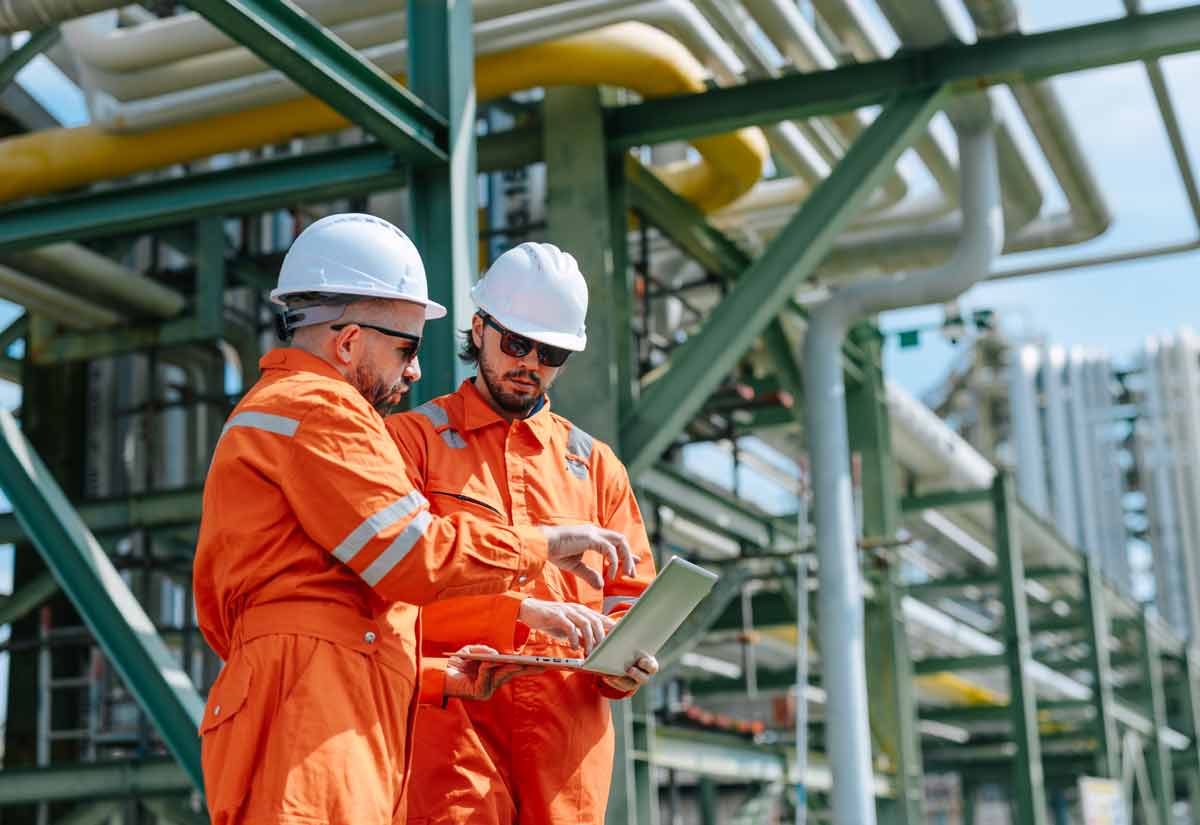
We’re seeing a new class of “Site Techs” emerging. These are the folks who can troubleshoot a GPS signal drop while standing in the middle of a blast zone. They understand the physics of the rock and the logic of the code. That’s a rare breed, and if you’ve got that skillset, you’re looking at a paycheck that would make a software developer weep.
Bridging the Talent Gap in Mining Engineering
The problem? The talent pool for these Hybrid Engineers is dangerously shallow. U.S. mining graduates have declined significantly over the last decade, even as the demand for critical minerals—like the cobalt hunt in the Congo—has hit an all-time high.
If you are a mining professional with a penchant for systems architecture, you are the most valuable asset in the sector right now. We’re not just talking about entry-level roles. We need Senior Project Managers who understand how an autonomous fleet changes the entire NPV (Net Present Value) of a mine plan. We need Safety Directors who can write the protocols for man-machine interaction in a 24/7 environment. This is a top-to-bottom restructuring of the American workforce.
H2: The Psychological Shift: From Operator to Pilot
There’s a mental hurdle here, too. For fifty years, the best operators were the ones who could “feel” the machine through the seat of their pants. Now, we’re asking them to feel the machine through a telemetry dashboard.
After decades of experience in specialized HR for heavy industry, we know that the top-tier professionals need to feel a sense of mastery and purpose. When you take a guy out of the cab and put him in a control room, you have to ensure he still feels the weight of the responsibility. He isn’t “playing a video game”—he’s piloting a fleet that represents the backbone of the U.S. economy.
Clean Coal as a High-Tech Incubator
The Clean Coal projects are the perfect proving ground for this. Because these plants and mines are under such high regulatory and efficiency pressure, they are often the first to adopt “overbuilt” autonomous solutions. They’re leading the charge in land reclamation, carbon monitoring, and high-efficiency extraction.
If you want to see the future of Mining 4.0, look at the projects in the Ohio Valley and Appalachia that are reinventing what it means to be a “coal miner.” They are data analysts, environmental stewards, and high-performance engineers all rolled into one.
The Global Stakes: Cobalt, Security, and Strategy
Why does this matter on a global scale? Because if we can’t master autonomous mining, we lose the resource war. Our industry’s success in sites such as the Congo depends on our ability to extract minerals more efficiently and more ethically than our adversaries and rivals.
Automation allows us to operate in environments that were previously too dangerous or too remote. It allows for “surgical” mining—taking exactly what we need with minimal environmental impact. But again, that precision requires people who know how to wield these digital tools like a scalpel, not a sledgehammer.
Positioning for the 2026 Upswing
The “Autonomous Frontier” is a place where the physical and digital worlds collide. If you’re ready to trade the old ways for the high-performance future of heavy industry, you need to be looking where the leaders look.
At Resource Erectors, we aren’t just watching this shift—we’re fueling it. We’re finding the “passive” talent that is already building these systems. We’re connecting the old-school veterans with the wisdom to the new-school techs with the tools.
Conclusion: The Future is Built, Not Coded
At the end of the day, Mining 4.0 is still about moving rock. It’s about energy. It’s about building the world. But the way we do it has changed forever. The code is just the map; the people are still the drivers.
If you’re a heavy industry professional, don’t fear the robot. Become the one who tells the robot where to dig. And if you’re a CEO looking for the folks who can lead this charge, stop posting on generic job boards and start talking to the people who know the difference between a bit and a byte, and a drill bit and a blast hole.
Explore Mining and Construction Careers
Standard Resource Erectors Blog Closer
Are you ready to elevate your career or your workforce?
At Resource Erectors, we bring decades of experience to the heavy industry sectors, including mining, construction materials (aggregates, concrete, asphalt), and civil engineering. We don’t just fill seats; we build the teams that build the world.
- Candidates: Explore the latest job openings in Mining and Construction Materials and take the next step in your professional journey.
- Employers: Discover how our specialized recruiting services can find the “passive” talent your competitors are missing.
Contact Resource Erectors Today to get started.