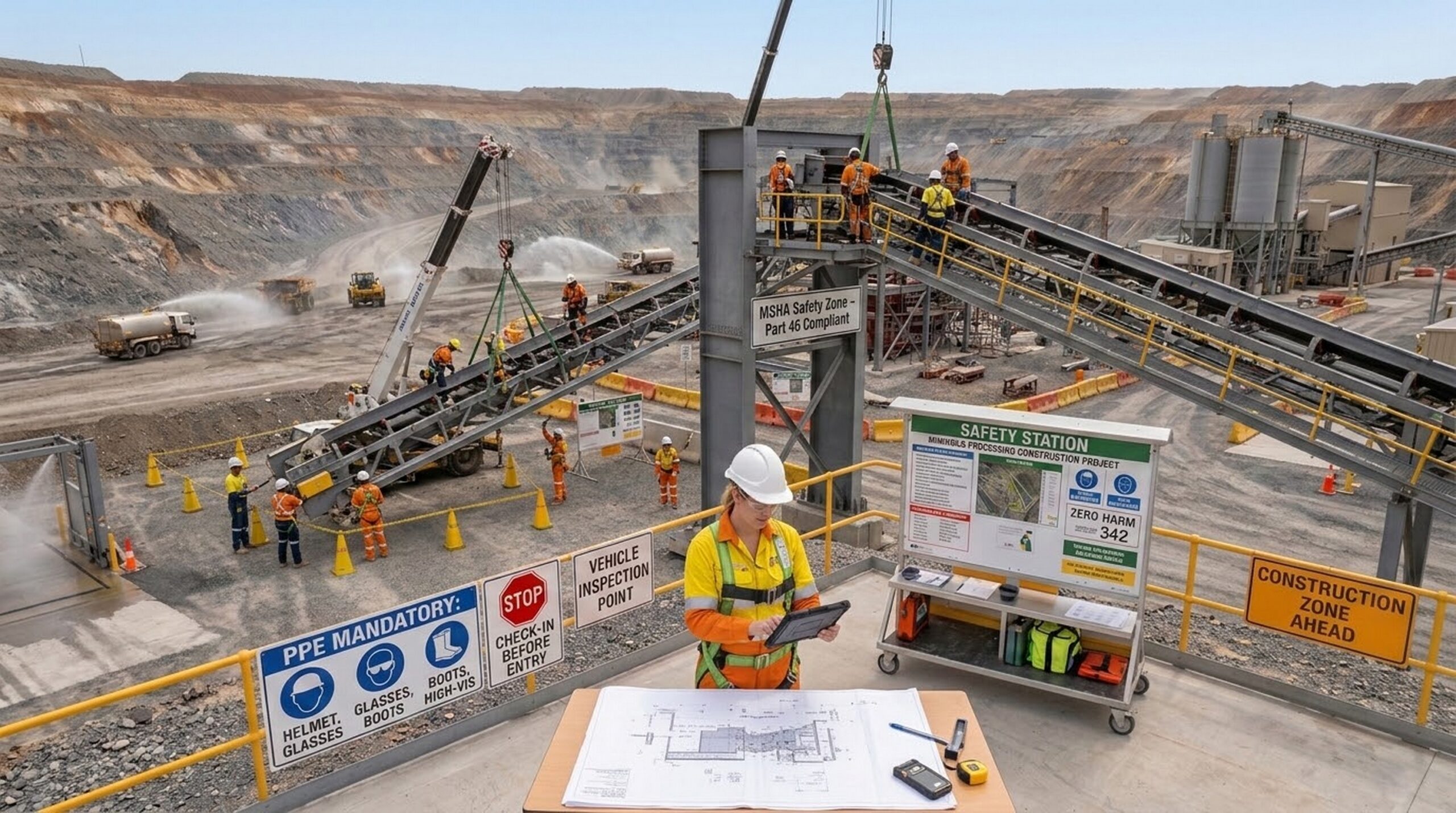
In the modern industrial minerals sector, operational excellence is defined by how seamlessly a plant can move material through a continuous pipeline. Whether processing high-purity frac sand, industrial silica, or specialized construction aggregates, the journey from the extraction deposit to the final packaged shipment requires an intricate balance of heavy logistics and advanced chemical engineering.
To achieve maximum yield and meet rigid quality standards, modern operations are increasingly relying on automated, highly efficient configurations. Let’s look at the state-of-the-art technologies and operational strategies dominating the four core phases of industrial mineral processing today.
1. Barge and Mobile Equipment Operations: Precision at the Front End
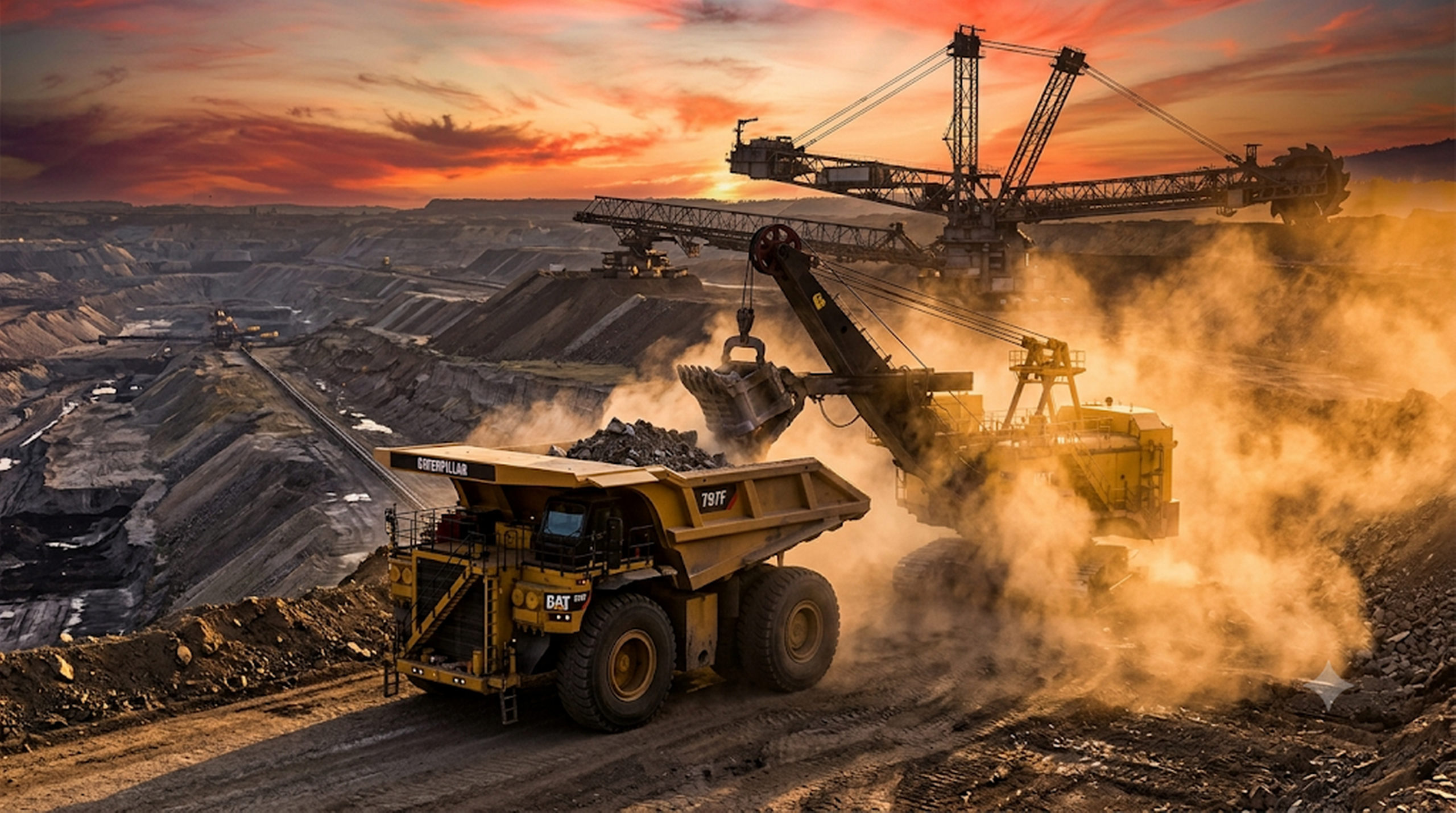
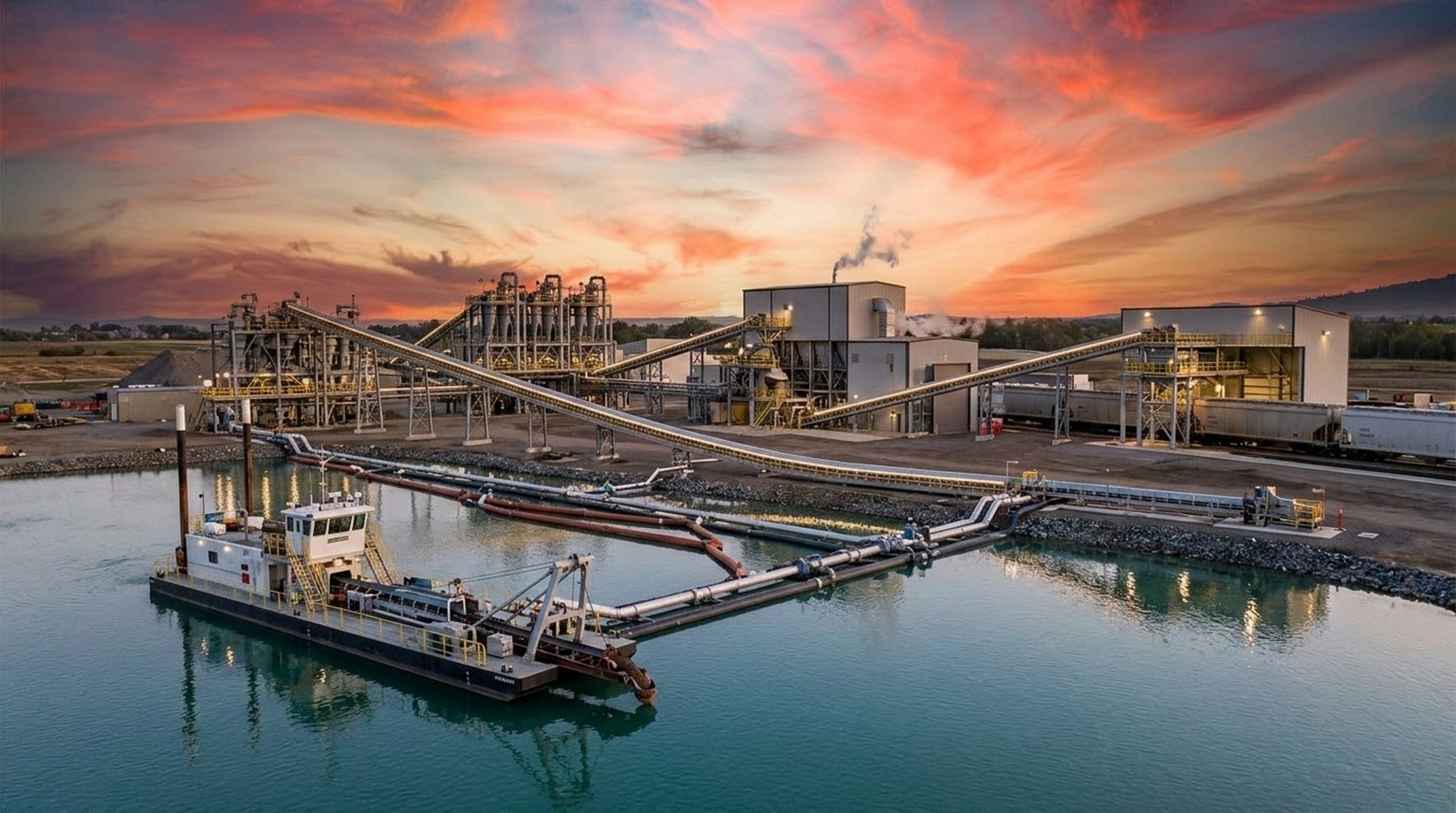
The production cycle begins with extraction, where marine dredging or open-pit mining feeds the plant’s primary hopper. Today, marine barge operations have evolved far beyond manual oversight, incorporating advanced telemetry to maximize material throughput.
- GPS-Guided Dredging: Modern dredge barges utilize real-time kinematic (RTK) GPS systems paired with 3D underwater bathymetric mapping. This allows operators to visualize the deposit floor down to the centimeter, ensuring consistent excavation depth and preventing the collection of unwanted clay pockets or low-grade overburden.
- Telematics-Driven Mobile Fleets: On the dry side of the pit, ultra-class wheel loaders and articulated haul trucks are fully integrated into telemetry networks. Fleet management software monitors engine diagnostics, payload weights, and fuel efficiency in real-time. By automatically adjusting haul routes based on real-time cycle data, operators prevent bottlenecks at the primary dump hopper, keeping the plant running at a steady, optimized state.
2. Wet Processing and Float Operations: Next-Gen Classification
Once the raw material is pulled from the pit or barge, it enters the wet processing circuit. The goal here is simple but highly demanding: wash away impurities, scrub out clays, and separate particles by density and size.
- Advanced Hydrocyclones and Attrition Scrubbers: High-efficiency hydrocyclones use centrifugal force to achieve precise particle-size separation down to the micron. For materials with stubborn clay coatings, state-of-the-art attrition scrubbers subject the slurry to high-shear, particle-on-particle friction, thoroughly cleaning the mineral grains without damaging them.
- Automated Flotation Circuits: In specialized mineral and silica operations, froth flotation circuits are critical for removing trace impurities like iron oxide or mica. Modern float operations utilize automated chemical dosing systems that monitor the slurry’s pH, temperature, and density in real-time. Sophisticated optical sensors analyze the froth color and stability, automatically adjusting air injection and reagent levels to maximize mineral recovery while minimizing chemical waste.
3. Drying and Screening: Thermal Efficiency and Sizing Precision
After the wet processing phase, the material is thoroughly washed but saturated with moisture. To prepare it for commercial use, it must be dried to exact moisture tolerances and separated into precise product grades.
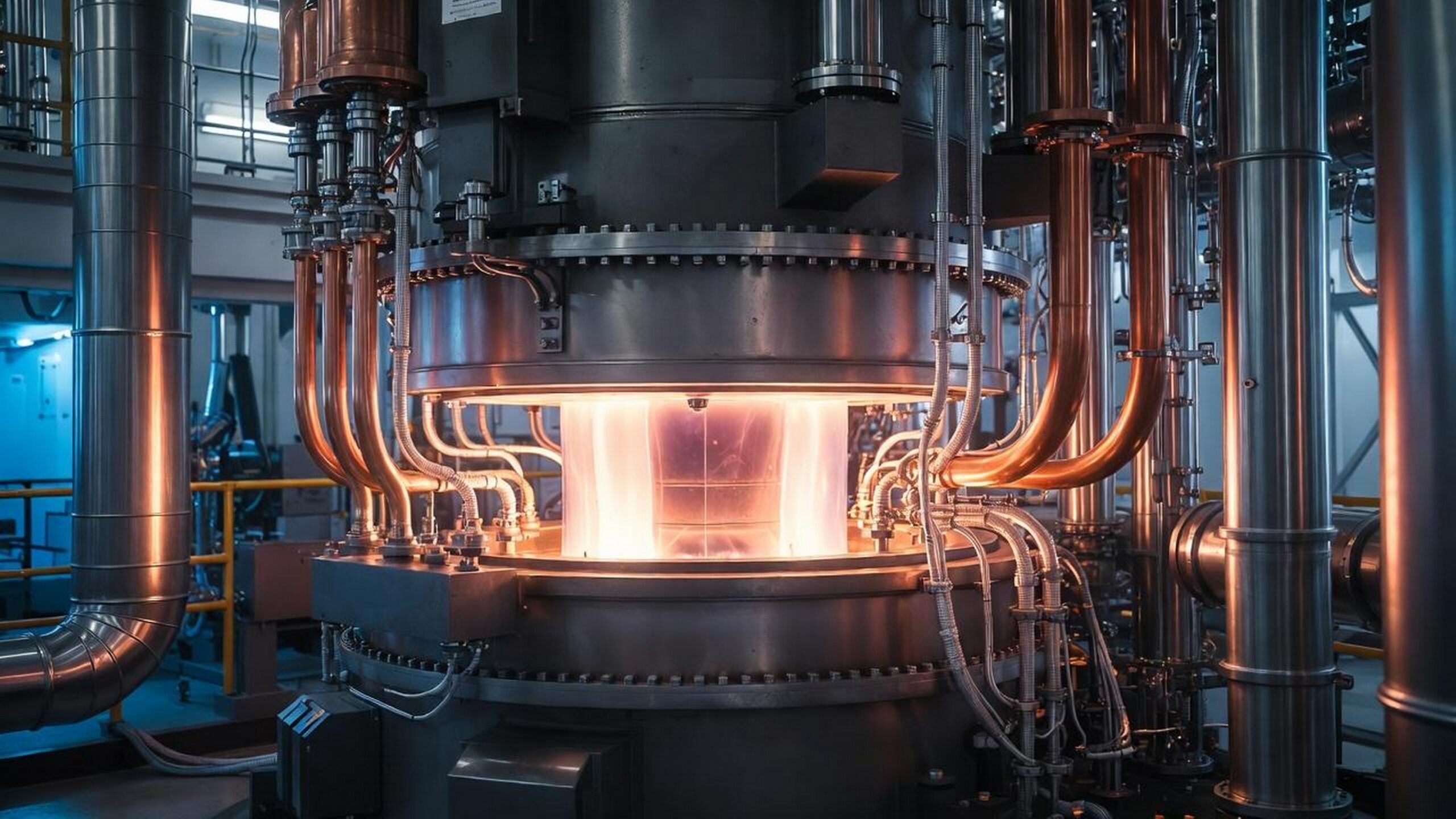
- Fluidized Bed and Rotary Dryers: The industry has shifted toward highly efficient fluidized bed dryers for fine granular materials. By blowing heated air upward through a perforated plate, the sand or mineral bed is suspended in a fluid-like state, ensuring rapid, uniform heat transfer. Modern burners utilize multi-fuel configurations and automated thermal controls to minimize fuel consumption while adjusting to fluctuating moisture levels in the incoming feed.
- High-Frequency Vibrating Screens: Once dried, the material hits the screening deck. The state-of-the-art relies on high-frequency, multi-deck vibrating screens that maximize throughput without blinding or plugging the screen cloth. These advanced decks allow operators to simultaneously separate material into multiple tightly controlled size distributions (e.g., separating premium coarse sand from fine industrial silica) with minimal maintenance downtime.
4. Bagging, Warehouse, and Loadout: The Automated Finish Line
The final phase of the operation is where production meets profitability. No matter how clean or perfectly sized the material is, a bottleneck at the warehouse or loading dock will stall the entire facility.
- Robotic Bagging and Palletizing: High-speed, automated valve baggers dominate modern operations, filling bulk bags to precise weight metrics within fractions of a pound. Robotic arm palletizers then seamlessly stack, wrap, and label the finished product, applying tracking barcodes that feed directly into the plant’s warehouse management system (WMS).
- Bulk Loadout Automation: For rail car and barge shipping, automated loadout systems utilize precision belt scales and telescoping loading chutes equipped with ultrasonic level sensors. These systems allow bulk distribution trucks and railcars to be loaded to legal capacity limits in minutes, utilizing automated scheduling gates that reduce driver wait times and streamline regional logistics.
Are You Ready to Lead an Advanced Material Processing Fleet?
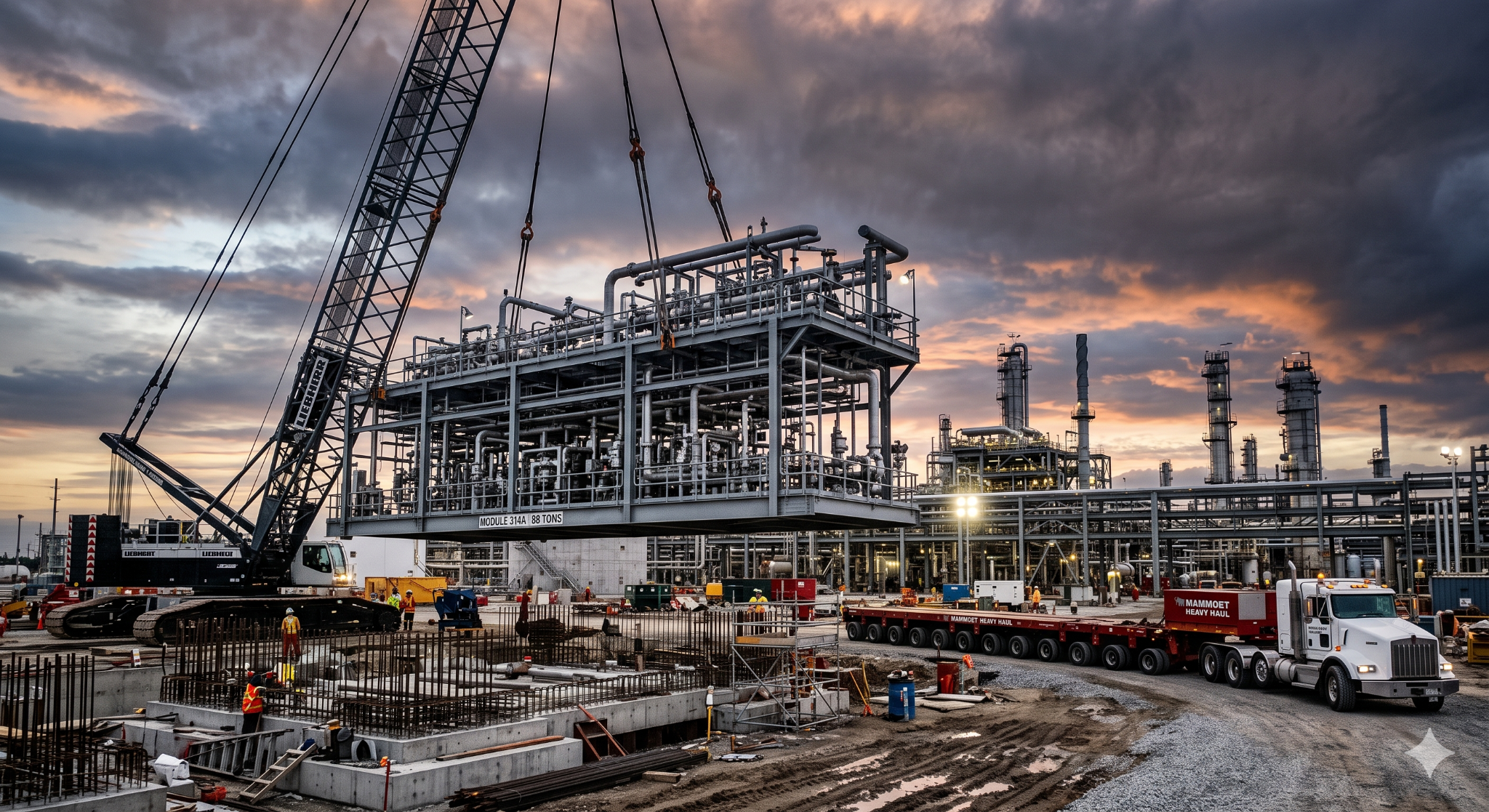
Running a complex operation that seamlessly bridges marine logistics, chemical wet processing, and automated packaging requires a rare caliber of leadership. It demands managers, superintendents, and operators who can look past individual machines and master the entire continuous workflow.
If you are a heavy industry professional with a background in aggregate operations, wet plants, or industrial sand processing, your skills are in incredibly high demand. Don’t let amateur generalist recruiters misinterpret your technical expertise.
You can submit your resume for general consideration to Resource Erectors today. Doing so immediately places your profile onto CEO Dan’s short list for premier, confidential career opportunities—including high-level management roles like Job #838—that never appear on public job boards.
Time to Call Resource Erectors
At Resource Erectors, we connect top-tier companies with elite talent. If you need to fill crucial positions, browse our industry-leading recruitment services. If you are a professional seeking to manage your long-term success, explore our available careers and open Resource Erectors job opportunities.
- For Employers: If your operation needs specialized plant managers, process engineers, or material handling experts who can optimize a wet-to-dry plant, browse our comprehensive recruitment services.
- For Professionals: If you are ready to stop wasting your time with generalist job boards and want to manage your long-term career success, explore our available roles on the official Resource Erectors job board.
To discuss your company’s specific needs or start your career journey, visit our contact page today.
For more information:
- To keep pace with advances in fluid-bed thermal technology and updates in dryer efficiency, track technical papers published in PME Magazine.
- For advanced studies on automated wet-processing classification and froth-flotation instrumentation, explore current resources from the Society for Mining, Metallurgy & Exploration (SME).