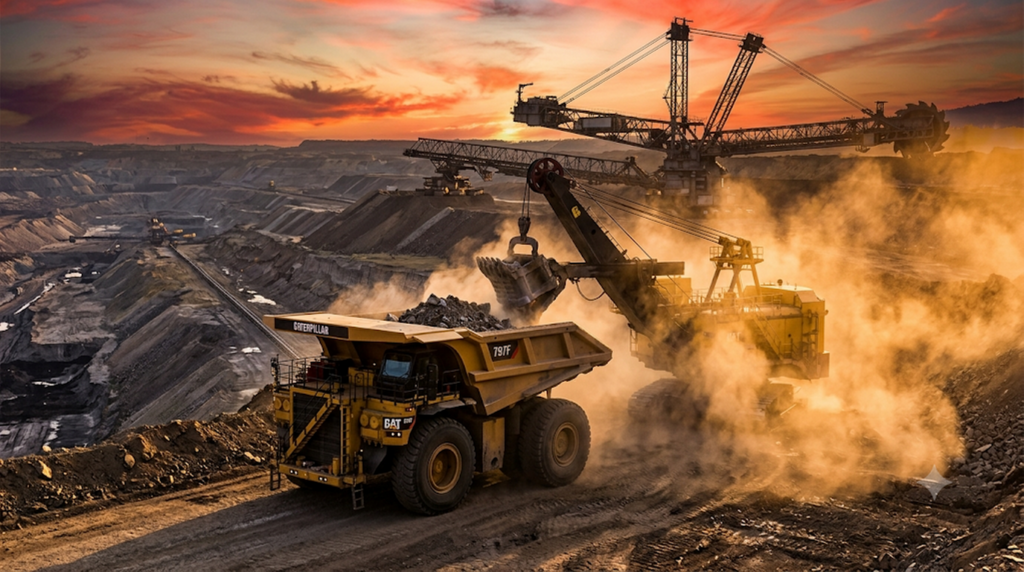
In the heavy construction and mining industries, efficiency is entirely a matter of scale. To extract the millions of tons of aggregate, coal, ore, and essential minerals required to sustain global infrastructure, standard machinery simply won’t cut it. Instead, the industry relies on a class of mechanical titans that push the absolute limits of structural engineering, metallurgy, and hydraulic power.
Ranging from 13,500-ton bucket-wheel excavators to 400-ton haul trucks, these mega machines literally move mountains. As the heaviest land vehicles on Earth, they operate with thousands of horsepower, burning through massive logistical challenges just to reach the job site. Here is a look inside the engineering marvels dominating open-pit mines and quarry operations today.
Bucket-Wheel Excavators: The Largest Terrestrial Vehicles Ever Built
When it comes to sheer physical footprint, nothing on land matches a Bucket-Wheel Excavator (BWE). Primarily utilized for stripping away massive layers of overburden or carving out soft lignite coal, these continuous excavation operations are designed to tear through earth at an astonishing rate.
- The Bagger 293: Built in Germany by TAKRAF, the Bagger 293 currently stands as the largest single land vehicle in human history. This unbelievable structure stands 96 meters (315 feet) tall and stretches a staggering 225 meters (738 feet) from end to end. Weighing in at 14,200 tons, it requires a dedicated power grid connection just to drive its massive continuous conveyor systems. It is capable of moving an entire football field’s worth of earth in a single working day.
- The Bagger 288: A legendary sibling built by Krupp, this 13,500-ton beast operates with a massive 21.6-meter diameter wheel. Equipped with 20 heavy-duty buckets, the wheel continuously rotates to scoop up to 240,000 cubic meters of earth daily. The engineering genius of the Bagger series lies in its massive caterpillar tracks, which distribute its thousands of tons of weight so evenly that the machine leaves tracks no deeper than a human footprint, preventing it from sinking into the soft soil it excavates.
Hydraulic Shovels vs. Electric Rope Shovels: The Heavy Loaders
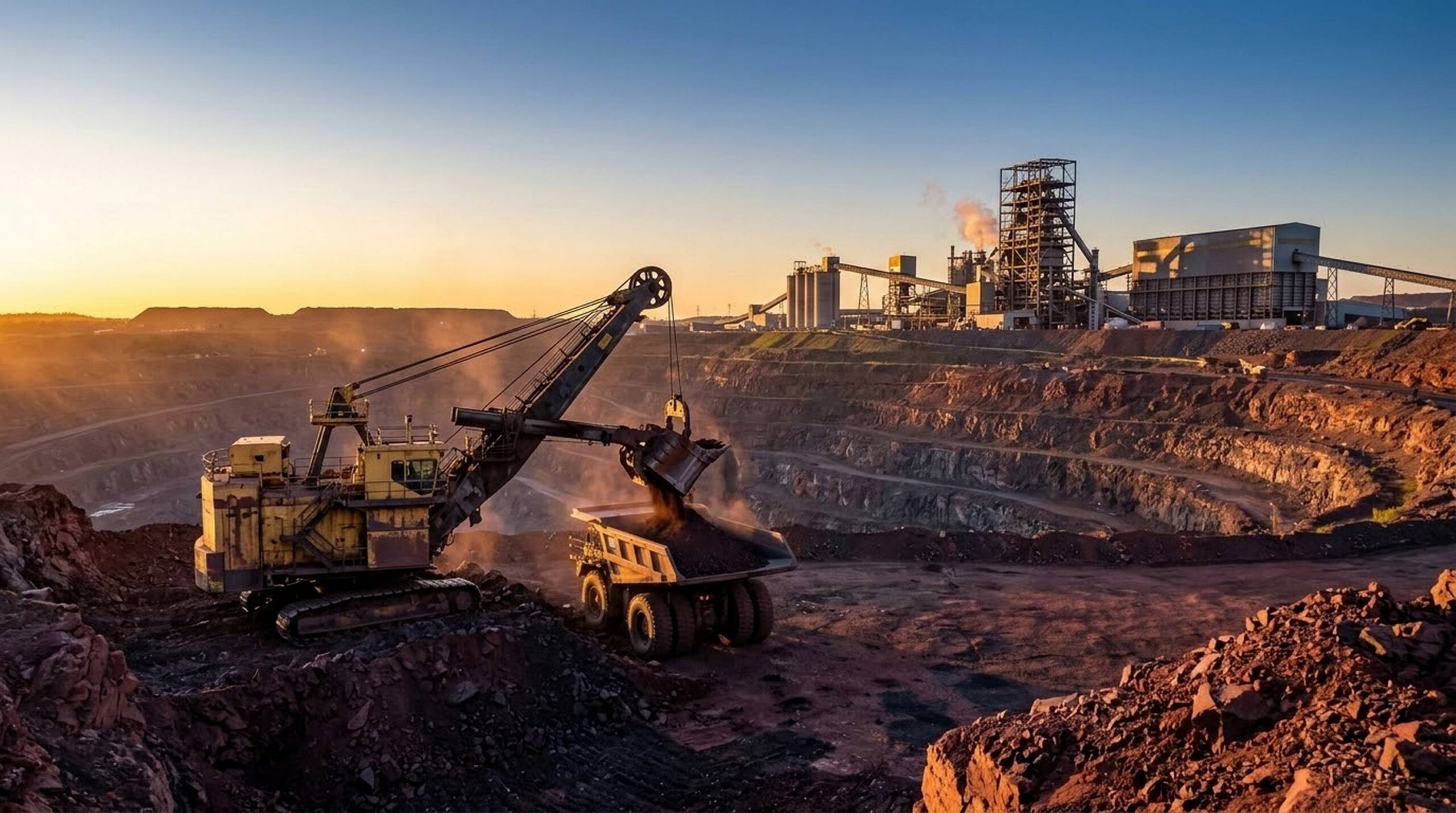
Once a mine site is established, the focus shifts to primary loading tools. These giant shovels are engineered to rip solid, blasted rock face loose and deposit it directly into waiting haul trucks. In this category, a major engineering divide exists between hydraulic systems and classic electric rope mechanics.
The Hydraulic Monsters
Hydraulic mining excavators offer incredible versatility and breakout force, allowing operators to precisely navigate tight quarry faces.
- Caterpillar 6090 FS: Weighing an incredible 1,000 tons, this is the largest hydraulic shovel in the world. It boasts a massive 52-cubic-meter bucket capacity. Powered by twin engines generating up to 4,500 horsepower, the 6090 FS can fully load a massive 90-ton haul truck in just a few quick, highly controlled passes.
- Bucyrus RH400: Originally developed by Bucyrus and later integrated into the Terex and Caterpillar lineups, this legendary machine remains a benchmark of hydraulic power. At 980 metric tons and packing 4,500 horsepower, its aggressive hydraulic arms can scoop up over 98 tons of material in a single bite.
The Electric Cable Giants
While hydraulic shovels rely on fluid pressure, Electric Rope Shovels utilize an older, incredibly durable mechanism: massive steel cables, winches, and pure electrical power fed directly via high-voltage trailing cables.
- Cat 7495 Electric Rope Shovel: Weighing roughly 1,400 tons, this machine trades hydraulic cylinders for heavy-duty steel ropes. Because electric motors deliver immense, instantaneous torque with fewer moving parts than hydraulic circuits, electric rope shovels are renowned for extreme longevity and lower operating costs per ton. The Cat 7495 can lift up to 100 tons of material in a single swing and work continuously for decades with minimal mechanical downtime.
Ultra-Class Haul Trucks: The Gargantuan Payloads
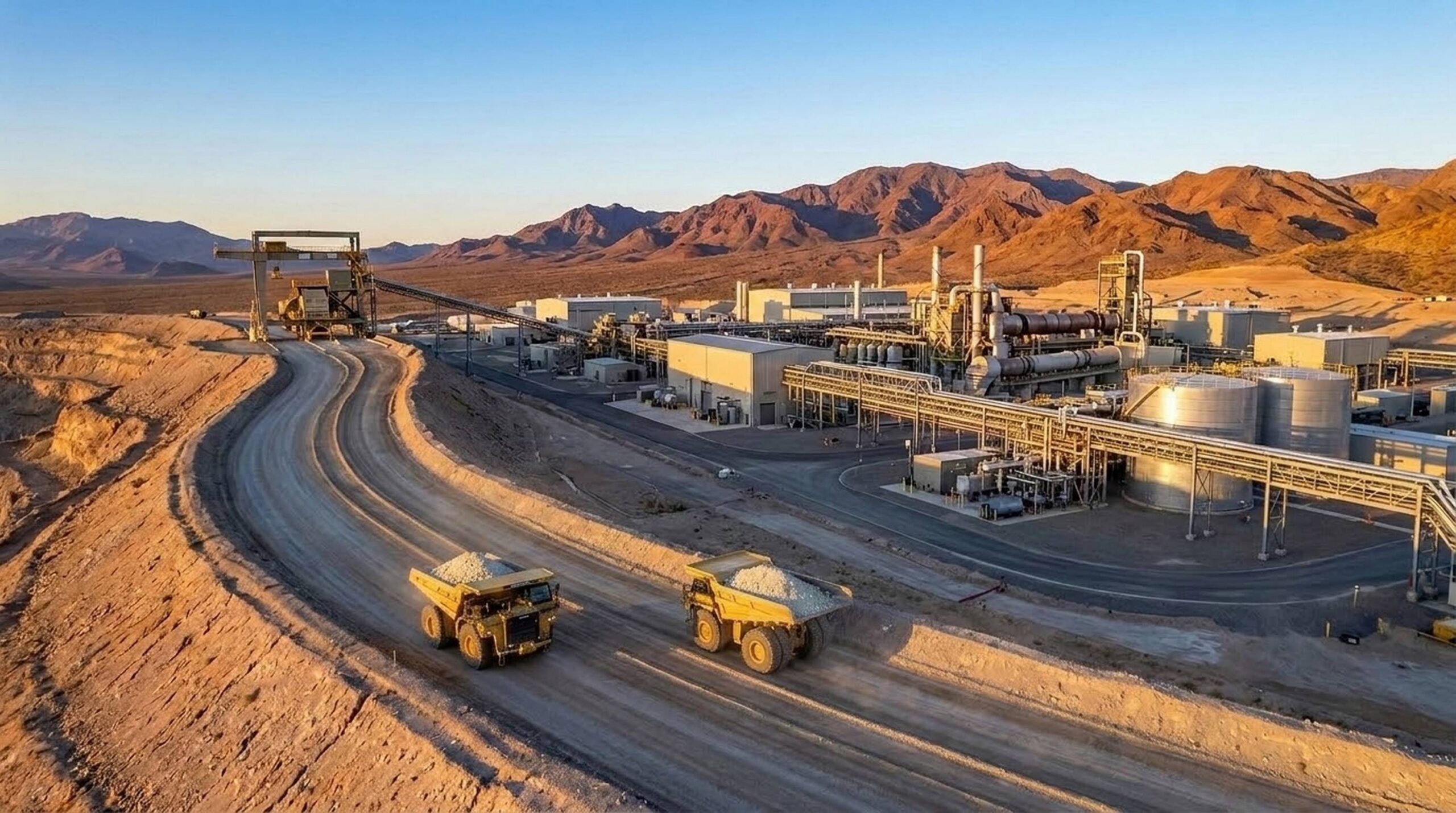
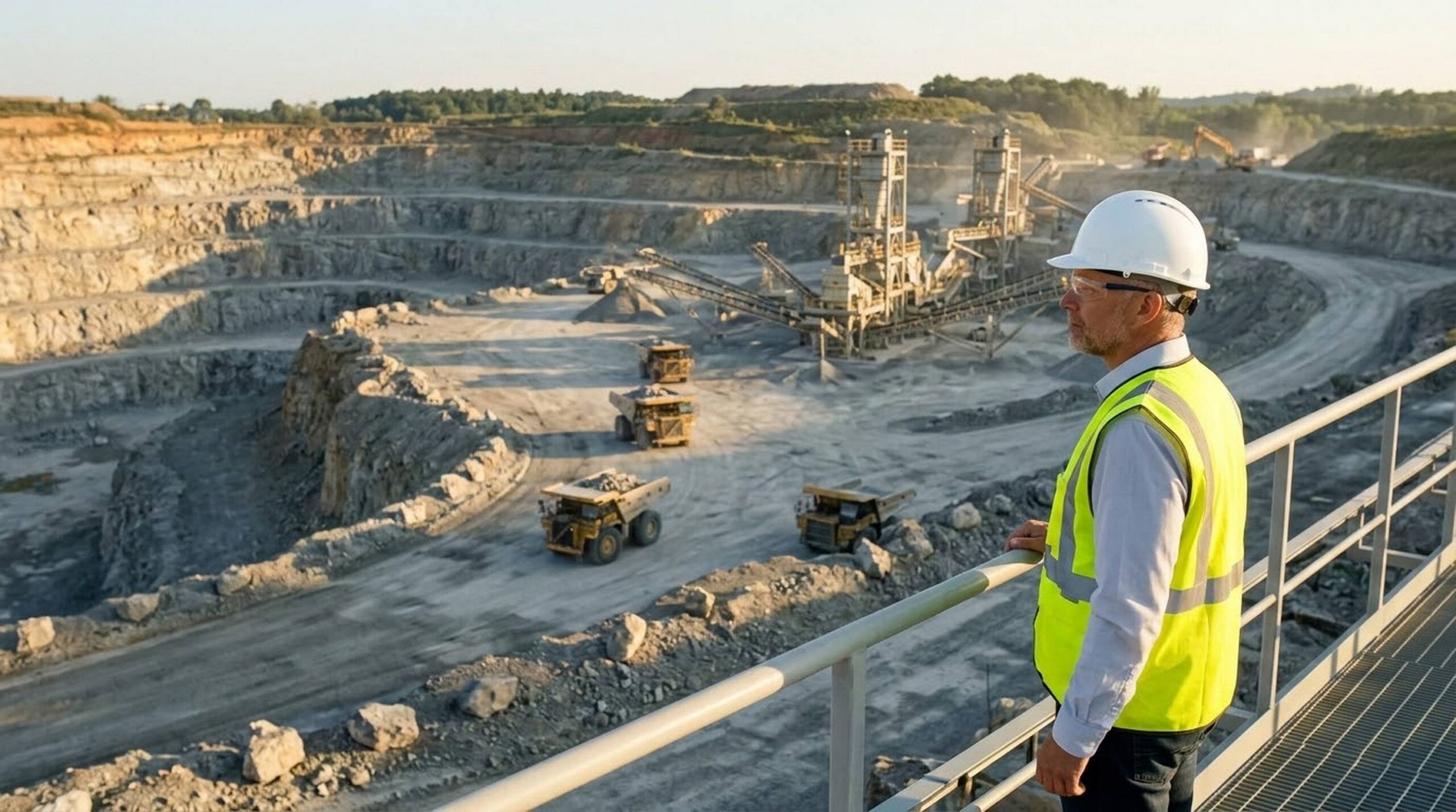
An elite shovel is only as good as the haul trucks backing it up. In open-pit mining environments, standard dump trucks look like toys next to “Ultra-Class” haulers. These trucks operate on a scale so vast that they cannot be driven on public roads; they must be shipped to mine sites in pieces and assembled directly on-site.
- Caterpillar 797F: Representing the pinnacle of mechanical-drive trucks, the 797F can carry a staggering 400-ton payload. To move this mountain of material, it utilizes a 4,000-horsepower, 20-cylinder engine. The truck rides on six massive tires that stand over 13 feet tall, weigh over 11,000 pounds each, and cost approximately $50,000 per tire.
- Komatsu 930E: Unlike the Cat’s mechanical transmission, the Komatsu 930E uses an advanced AC electric drive system. The massive diesel engine serves solely as a generator, powering electric motors mounted directly inside the rear wheel hubs. Capable of hauling payloads up to 320 tons, this electric-drive setup delivers smooth, continuous power and highly efficient regenerative braking, making it one of the most widely adopted ultra-class trucks worldwide.
Logistics and Engineering Behind the Scenes
Operating these terrestrial giants involves mind-boggling logistics. A single ultra-class haul truck can consume up to 60 to 100 gallons of diesel fuel per hour under heavy load. To balance these massive operating costs, mining operations must run around the clock, utilizing sophisticated fleet management software to ensure that shovels never sit idle and trucks maintain an optimized, continuous loop.
Furthermore, transporting these machines is a masterclass in heavy transport engineering. When a mine purchases a 1,000-ton excavator, the components are manufactured across the globe, transported via specialized ocean freight, moved to the site using multi-axle heavy transport trailers, and finally welded and bolted together over weeks or months by specialized field mechanics.
To keep these engineering marvels moving, the industry relies on top-tier mechanical talent, precision logistics managers, and visionaries who understand that true production efficiency requires looking at the total operational picture.
Ready to Level Up Your Industrial Fleet or Career?
Whether you are looking for elite technical sales professionals who understand the intricate mechanics of material-handling equipment, or you are a heavy equipment specialist ready to work with the largest machinery on earth, Resource Erectors is your premier industry partner.
Even if you don’t see the perfect territory listed today, don’t let a narrow search filter limit your career. You can submit your resume for general consideration right now. Doing so puts your profile directly onto CEO Dan’s short list for exclusive, confidential opportunities that never hit public job boards.
Time to Call Resource Erectors
At Resource Erectors, we specialize in connecting top-tier heavy industry employers with the elite talent who know how to build real momentum.
- For Employers: If your company needs to fill crucial technical engineering, sales, or management positions with hungry industry professionals, browse our comprehensive recruitment services.
- For Professionals: If you are ready to stop leaving money on the table and actively manage your long-term financial success, explore our full database of available careers on the Resource Erectors job board.
Whether you want to solve an immediate hiring challenge or kickstart your next major career journey, visit our contact page today to partner with the industry HR experts at Resource Erectors.
References
- To discover more about the world’s largest earthmovers and track ongoing project updates, read the comprehensive industry breakdowns over at Mining Digital.
- For detailed engineering specifications regarding bucket-wheel dimensions and structural design, explore the historical technical guides preserved by SIBO Engineering.