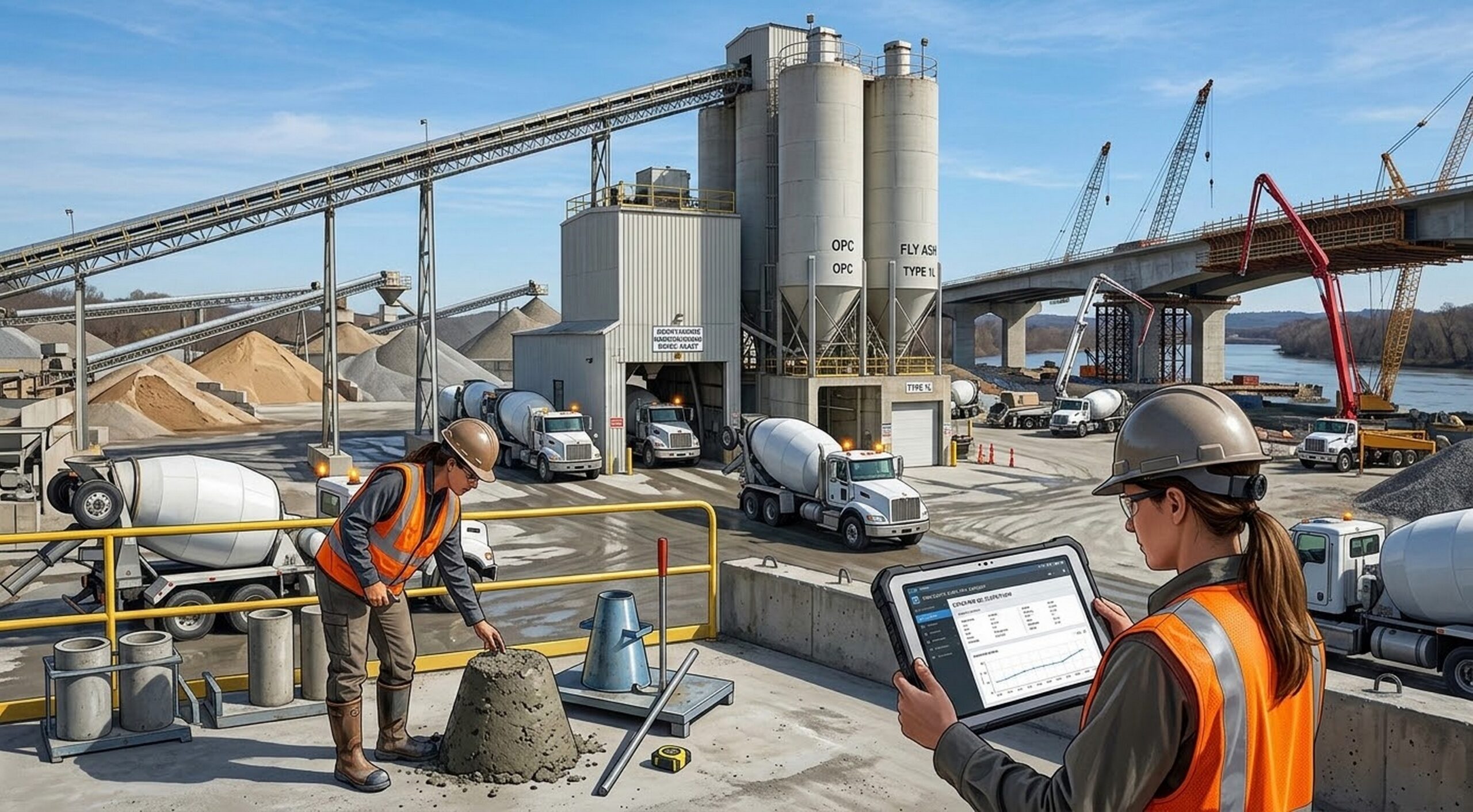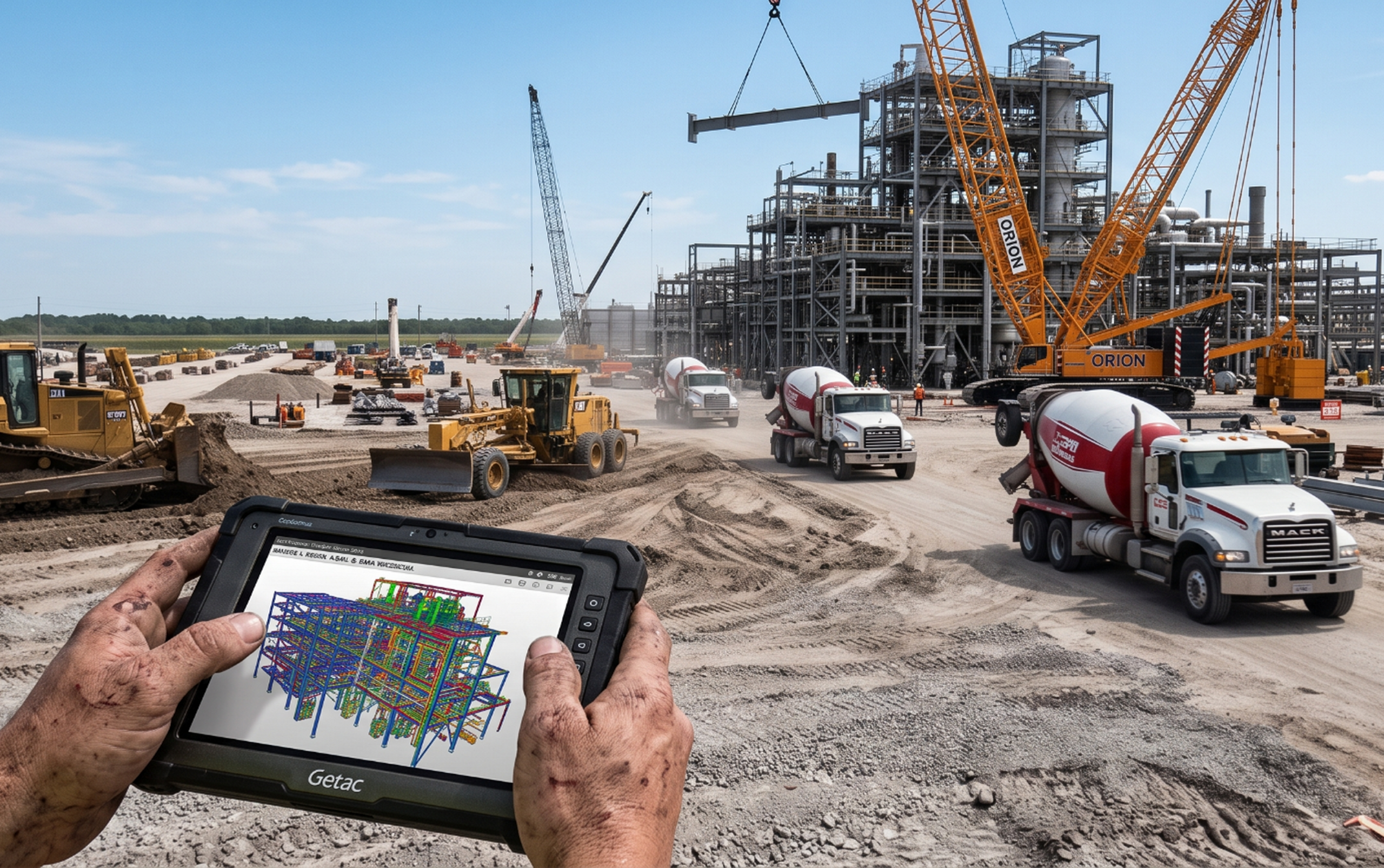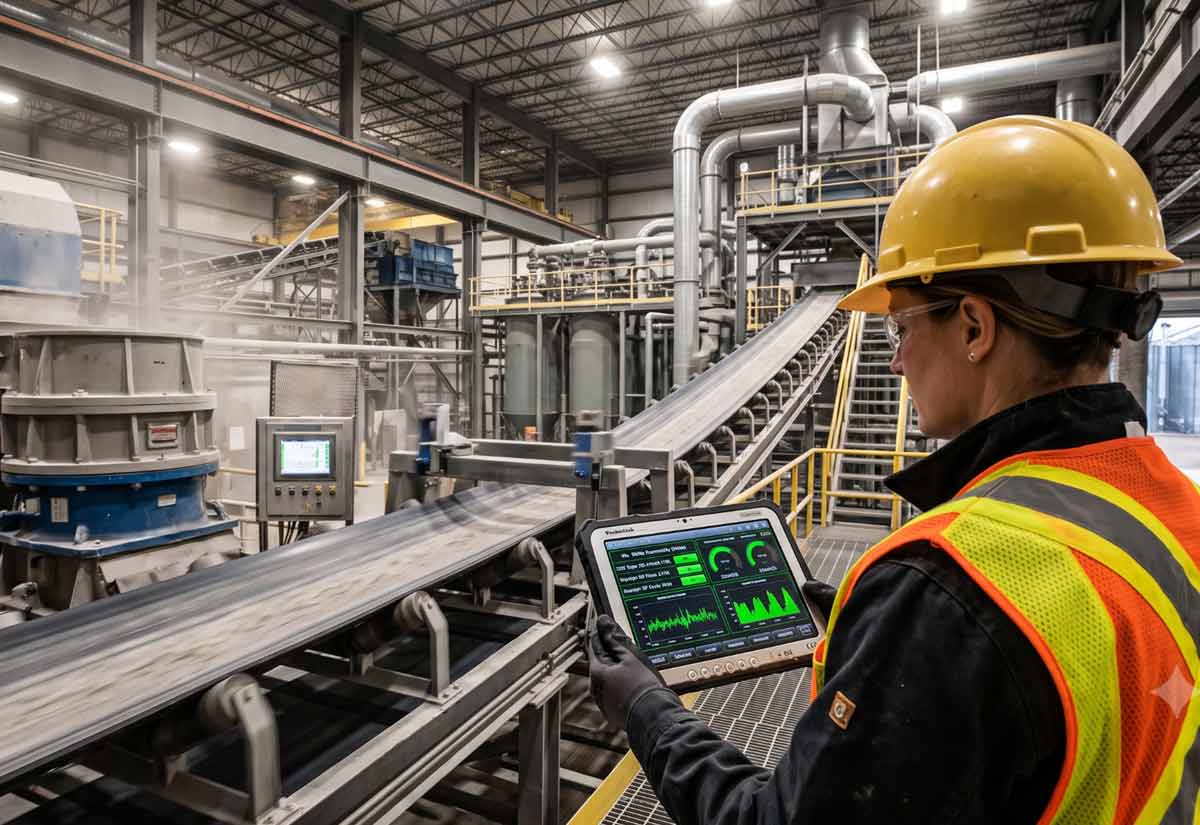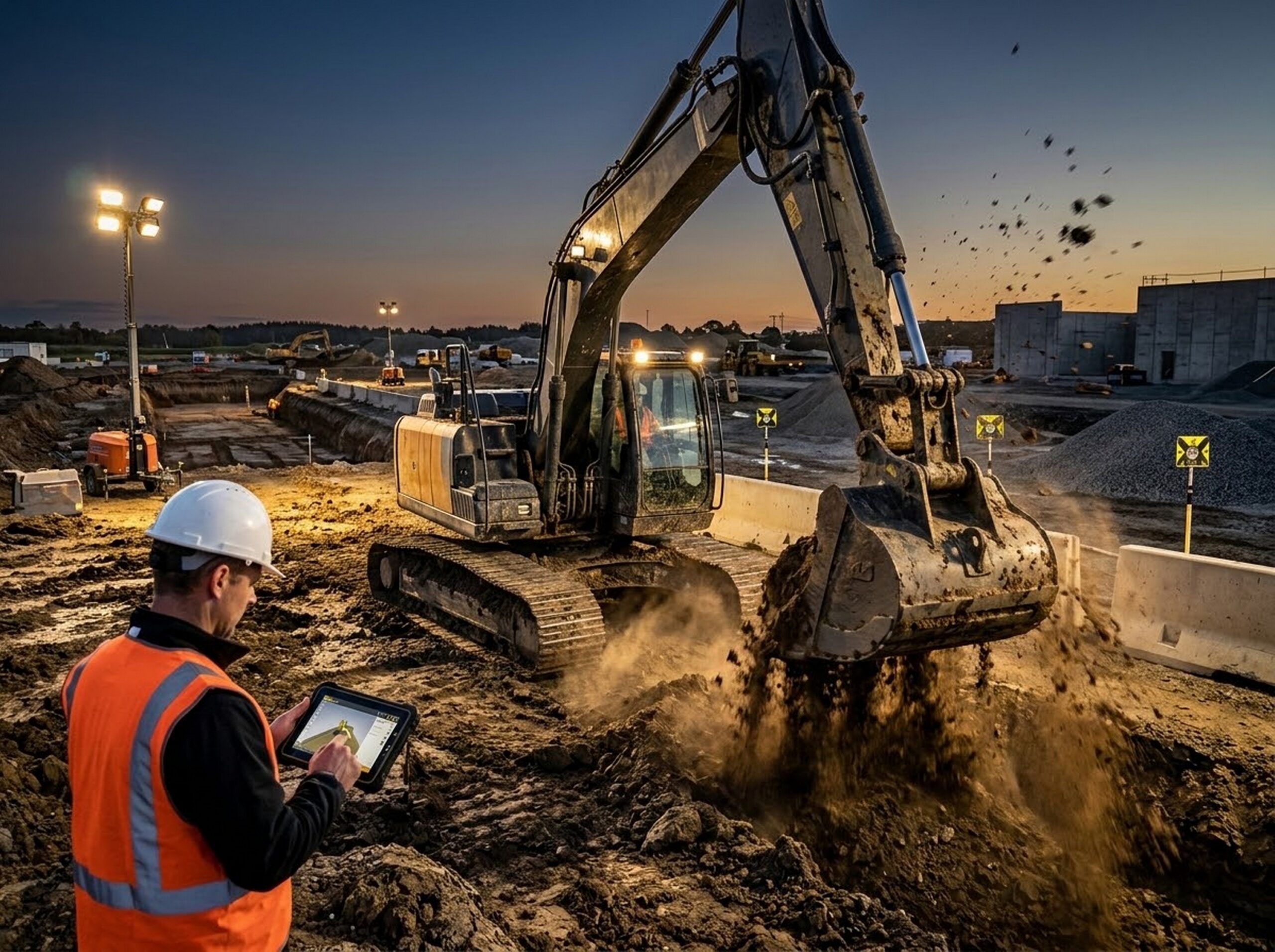
When folks talk about the modern gold rush driving the American economy, they usually point to Silicon Valley chip fabs or massive AI data centers. But if you want to see the literal foundation of this technology boom, you need to look at a much grittier commodity:
Premium Construction Aggregates in 2026
The United States is currently locked in a quiet but fierce “Sand Rush.” Driven by a massive convergence of federal infrastructure spending and private mega-projects, the demand for high-spec, premium concrete sand and crushed stone has reached a fever pitch.
The numbers tell the story. The total market value for construction aggregates shipped straight from quarry sites has surged into a towering $40 billion domestic industry. Between massive highway bills and hyper-scale industrial footprints, developers are consuming over 2.6 billion metric tons of aggregates annually.
However, a major structural bottleneck is brewing. We are running low on the “right” kind of sand close to major metropolitan areas, and the logistics of moving it are pushing regional supply chains to their absolute limits.
For quarry superintendents, plant engineers, and operations managers, this supply crunch represents one of the most exciting, high-stakes engineering challenges in decades.
The Specification Challenge: Why Desert Sand Doesn’t Cut It
A common misconception is that sand is a limitless resource. After all, deserts are full of it. But from a structural engineering standpoint, desert sand is completely useless for heavy civil construction.
Wind-blown desert sand features grains that are perfectly round and smooth. When mixed into concrete, these smooth particles cannot bind together effectively, resulting in weak, unstable structures.
True structural concrete requires sub-angular, rough, and meticulously graded aggregates. This specific type of natural sand and crushed stone gravel forms the backbone of heavy concrete production, asphalt pavements, and foundational base layers.
The scale of consumption for these premium aggregates on single mega-projects is staggering:
- Highways and Transportation: Constructing just a single kilometer of a standard four-lane highway swallows up to 85,000 tons of aggregates.
- Industrial Mega-Facilities: A single large-scale industrial project or manufacturing plant routinely consumes between 10,000 and 50,000 tons of aggregates depending on its final structural footprint.
- High-Rise and Tech Hubs: High-performance, high-density concrete mixes required for massive vertical builds consume 20% more material per square meter than standard low-rise construction.
Because aggregates are a low-value, high-volume commodity, they are incredibly sensitive to transportation costs. Moving millions of tons of heavy material over long distances via truck or rail quickly erodes a project’s profit margins.
As local pits near major metropolitan growth corridors face depletion or strict zoning restrictions, producers must engineer advanced solutions right at the source to maximize their yield.
Engineering the Quarry: Upgrading Circuits to Meet Demand
To cash in on this unprecedented demand, top-tier aggregate producers are moving away from traditional, simple digging operations. They are transforming their properties into hyper-engineered, closed-loop processing plants designed to squeeze every single ton of usable material out of the ground.
For operations managers and processing engineers, maximizing efficiency means optimizing three critical areas of the plant circuit:
Advanced Multi-Deck Vibrating Screens
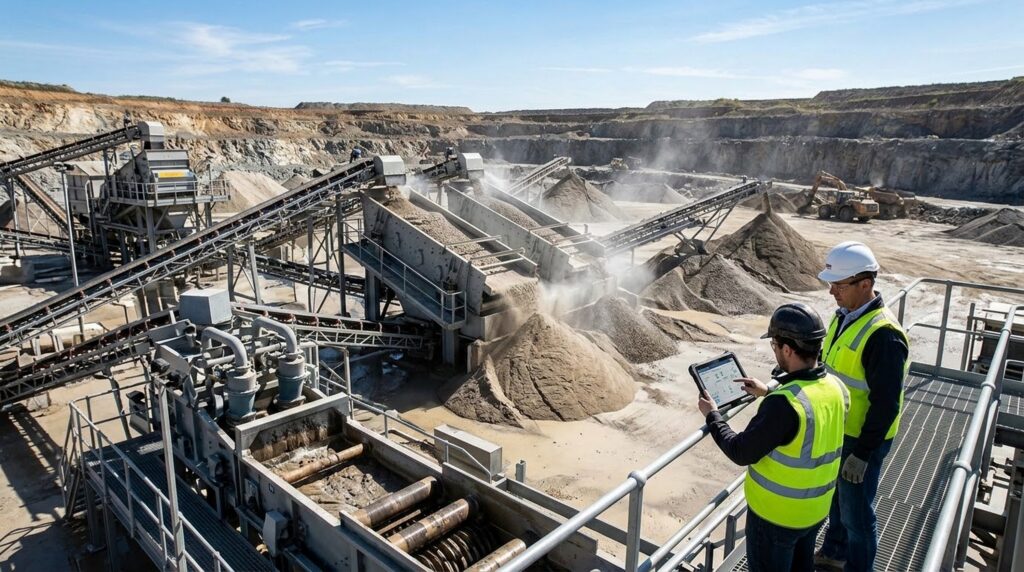
Producers are retrofitted with high-frequency, multi-deck vibrating screen structures. These advanced systems utilize specialized polyurethane and modular screen media to separate raw material into precise size fractions at lightning speeds, preventing valuable fine concrete sand from being accidentally washed away into waste ponds. Organizations like Durex Products highlight how switching to these innovative screen media setups dramatically reduces long-term maintenance costs and improves precision sorting.
High-Efficiency Wet Processing and Wash Systems
To meet the rigorous silt and clay tolerances mandated by state Departments of Transportation (DOTs), modern operations are deploying advanced hydrocyclones and log washers. These systems use centrifugal force to scrub organic material and ultra-fine clays from the sand grains, delivering a pristine, highly predictable end product that meets strict structural specifications. Equipment builders like Superior Industries note that hydrocyclones provide an excellent, low-maintenance solution for operators requiring a sharp, single material separation cut to reclaim high-value fines.
Automated Blending and Payload Logistics
The modern quarry floor is increasingly driven by data. Automated belt scales and automated blending software allow plant operators to adjust crushing circuits on the fly, tailoring output ratios to match exactly what the local ready-mix concrete market demands that afternoon.
The Resilient Takeaway for Heavy Industry Professionals
The aggregate market is no longer a slow-moving, traditional sector. It has evolved into a high-tech, essential arm of the domestic tech and infrastructure supply chain. Controlling operational efficiency, reducing freight loss, and managing complex plant maintenance are the keys to long-term profitability.
For the professionals running these multi-million dollar circuits, the Sand Rush means your expertise has never been more valuable. The companies that win the long game aren’t just the ones with the largest reserves; they are the ones with the sharpest talent steering the equipment.
Ready to Lead the Next Generation of Aggregates Infrastructure?
As the demand for high-spec materials reshapes the domestic landscape, top-tier producers are aggressively hunting for quarry superintendents, plant engineers, maintenance directors, and operations executives who know how to maximize plant yield.
If you are a heavy industry professional ready to leverage your field experience into a high-impact, lucrative career pivot, don’t let your resume get lost on public job boards.
Take control of your professional trajectory. Submit your resume for general consideration to Resource Erectors today. This places your professional profile directly onto CEO Dan’s short list for exclusive, confidential career opportunities that never appear on public job boards.
Time to Call Resource Erectors
At Resource Erectors, we connect the heavy industry’s premier employee-owned and mid-market producers with elite talent who understand the high stakes of bulk materials processing.
- For Employers: When your operation needs specialized civil, mechanical, or mining engineering leaders to optimize your processing circuits and scale up production, explore our comprehensive recruitment services.
- For Professionals: If you are ready to elevate your career and align yourself with forward-thinking employers driving massive domestic growth, browse the active listings on the Resource Erectors job board.
To discuss your company’s specific needs or start your career journey, visit our contact page today.
This Sand Washing Process Video breaks down the complete mechanical cycle of a dual cyclone plant classifying and dewatering structural aggregate sand.