By the Resource Erectors Research Team
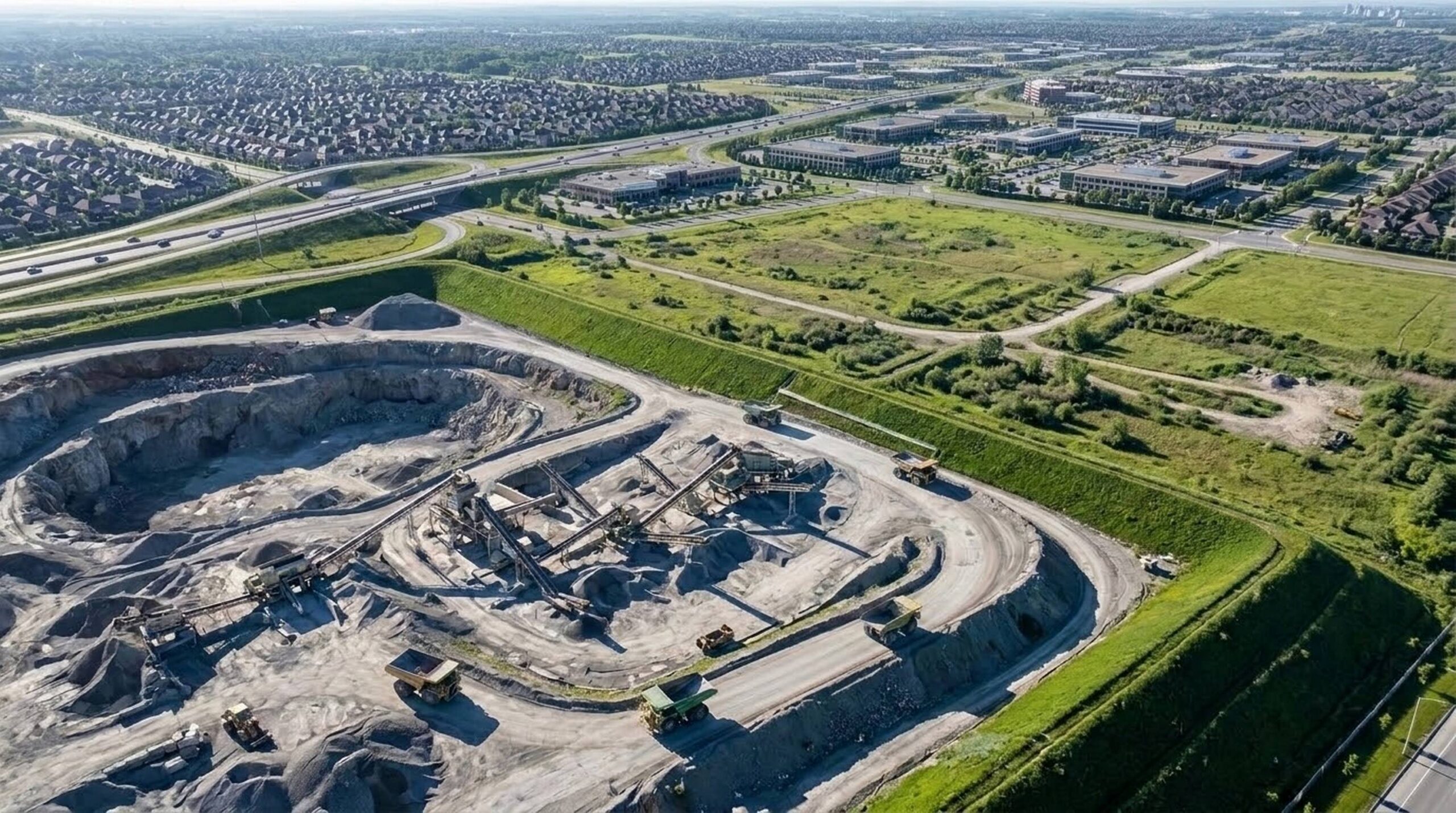
Modernizing the aggregate quarry is no longer confined to the static processing plant. For years, automation made its major strides inside computerized control rooms: optimizing primary crusher feed rates, automating load-out scale software, and tracking screen efficiency via remote telemetry. The quarry pit itself, with its fluctuating haul roads, unpredictable bench faces, and punishing weather, remained firmly under manual human control.
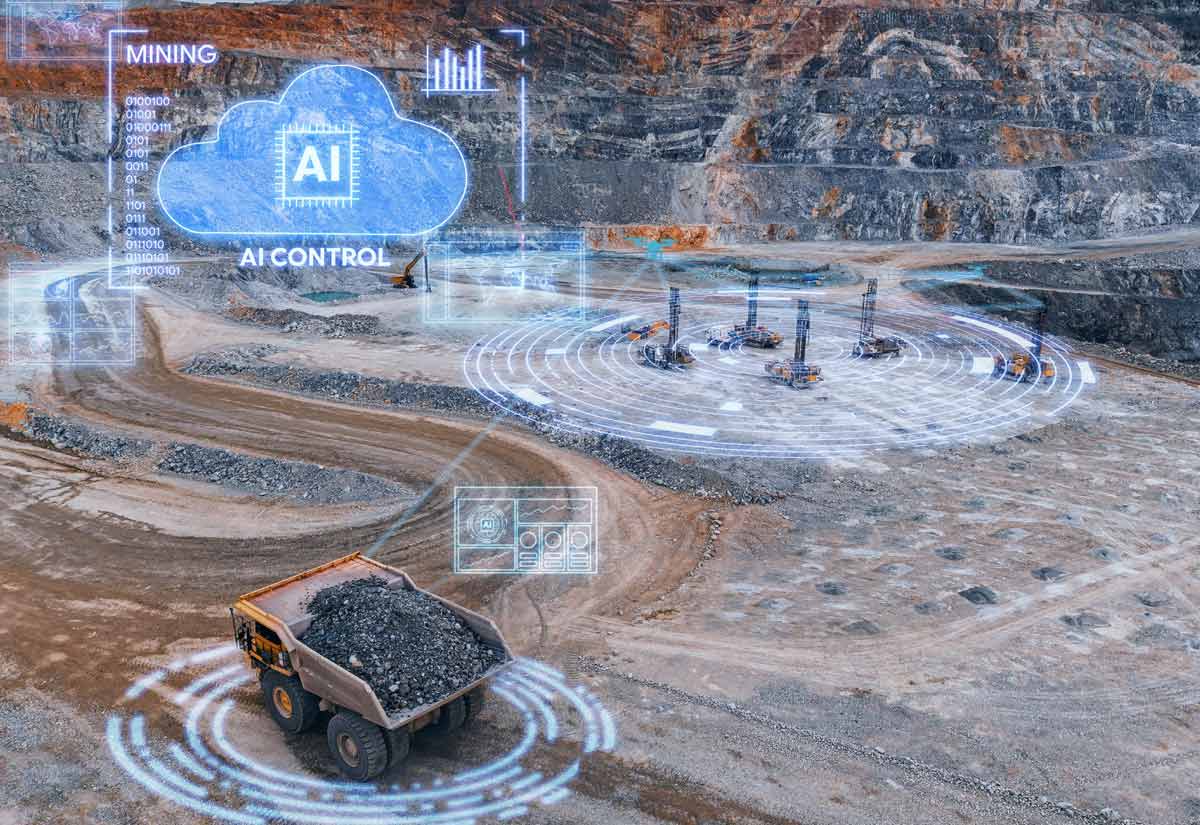
That operational division is dissolving rapidly. Across heavy building materials operations worldwide, the commercial deployment of Autonomous Heavy Mobile Equipment (AHME) is moving out of multi-year pilot programs and straight into everyday production.
Leading global construction materials producers like Heidelberg Materials are actively proving that autonomous haulers, cabless wheel loaders, and robotic drill rigs can operate alongside conventional iron to boost output, protect margins, and elevate job-site safety.
Yet deploying autonomous machinery across a live, high-tonnage quarry is not simply an exercise in buying high-tech equipment. It represents a fundamental transformation in how quarry operations are managed, maintained, and staffed.
The Pit Floor Revolution: Autonomous Heavy Mobile Equipment in Action
In conventional quarry pits, the haulage cycle from the working blast face to the primary jaw crusher represents one of the largest single operating cost centers. Haul trucks face fluctuating cycle times, variable driver habits, gear-shifting inefficiencies, and avoidable tire wear.
By integrating autonomous haul fleets, producers establish a consistent, optimized rhythm across the entire pit cycle:
- Predictive Speed and Cycle Consistency: Autonomous haulers navigate digital haul road twins with mathematical precision, maintaining optimal engine RPM and brake timing to lower fuel burn per ton.
- Reducing Costly Component Shock Loads: Smooth, computerized throttle and braking profiles eliminate the aggressive operator habits that shear drivelines, crack differential housings, and chew through expensive radial tires.
- Relentless Production Uptime: Autonomous iron does not take shift-change breaks, lunch hours, or cab relief pauses, keeping the primary crusher steadily choked and eliminating production surges and starve cycles.
As we explored in Resource Erectors’ earlier analysis of field robotics, Civil Construction Robots 2026: What 5,000 Field Hours Tell Us About Autonomy in the Dirt, autonomous platforms deliver their highest economic return when assigned to structured, repetitive haul cycles that keep human workers out of the most dangerous quarry zones.
Heidelberg Materials and the Commercialization Benchmark
What makes the current wave of heavy equipment autonomy different from past experimental trials is commercial viability. Through partnerships with leading robotics developers and original equipment manufacturers (OEMs), Heidelberg Materials has pushed autonomous haulage into continuous commercial aggregate production.
The industry-wide drive to commercialize autonomous iron reflects an urgent response to chronic workforce shortages across the aggregate and civil construction sectors. As detailed in The Robot Report’s Coverage of Autonomous Solutions Inc. and SoftBank’s Heavy Equipment Partnership, major global investors and technology innovators are deploying hundreds of millions of dollars to scale brand-agnostic, autonomous fleet systems specifically to overcome the severe deficit of qualified heavy machinery operators.
These systems run on open architecture, coordinating mixed vehicle types across dynamic job sites while allowing producers to retrofit existing fleets rather than replacing multi-million-dollar capital investments.
Crucially, global producers like Heidelberg Materials are pairing these advanced autonomous navigation systems with alternative power architectures. Deploying electric and hybrid haulers directly addresses corporate sustainability targets while slashing pit diesel consumption. In deep quarry cuts where ventilation of exhaust particulates and rising fuel expenses present severe operational challenges, electric autonomous iron represents the ultimate double dividend.
The Hybrid Pit Dilemma: Blending Autonomous and Manned Fleets
The aggregate sector will not transition to fully autonomous quarries overnight. For the foreseeable future, quarry superintendents will command hybrid pit environments where fully autonomous haul trucks share narrow haul routes with manned service trucks, customer highway haulers, and contracted maintenance rigs.
Managing this mixed operational environment requires sophisticated site architecture and uncompromising safety discipline:
- Precision Digital Geofencing: Haul roads and dumping zones must be demarcated with active transponder networks to prevent manned customer trucks from inadvertently entering autonomous pathways.
- Wireless Telemetry and Mesh Networks: Quarries require high-bandwidth private LTE or 5G communications networks to ensure uninterrupted data streaming between machine LiDAR sensors, remote dispatch consoles, and emergency stop systems.
- Dynamic Fleet Dispatch Software: Computerized fleet management programs continuously calculate truck positioning and redirect autonomous units around temporary pit blockages, mud slicks, or active blasting crews without human intervention.
As detailed in Resource Erectors’ evaluation of connected mobile platforms, Connected Iron: How Volvo CE is Shaping Safety and Telemetry in North American Quarries, real-time telemetry is the foundational nervous system that prevents catastrophic collision incidents on congested quarry benches.
The Human Factor: The Evolution of the Autonomous Quarry Superintendent
A common misconception regarding pit automation is that it eliminates the need for human leadership. In reality, automation raises the stakes for elite human talent.
When an autonomous truck encounters an unmapped boulder on a haul road or an optical sensor is blinded by torrential dust, the machine defaults to an immediate fail-safe stop. It takes experienced, tech-savvy leaders to interpret system alerts, reconfigure haul routes, and keep the operation moving.
The modern aggregate producer requires a new breed of field leadership:
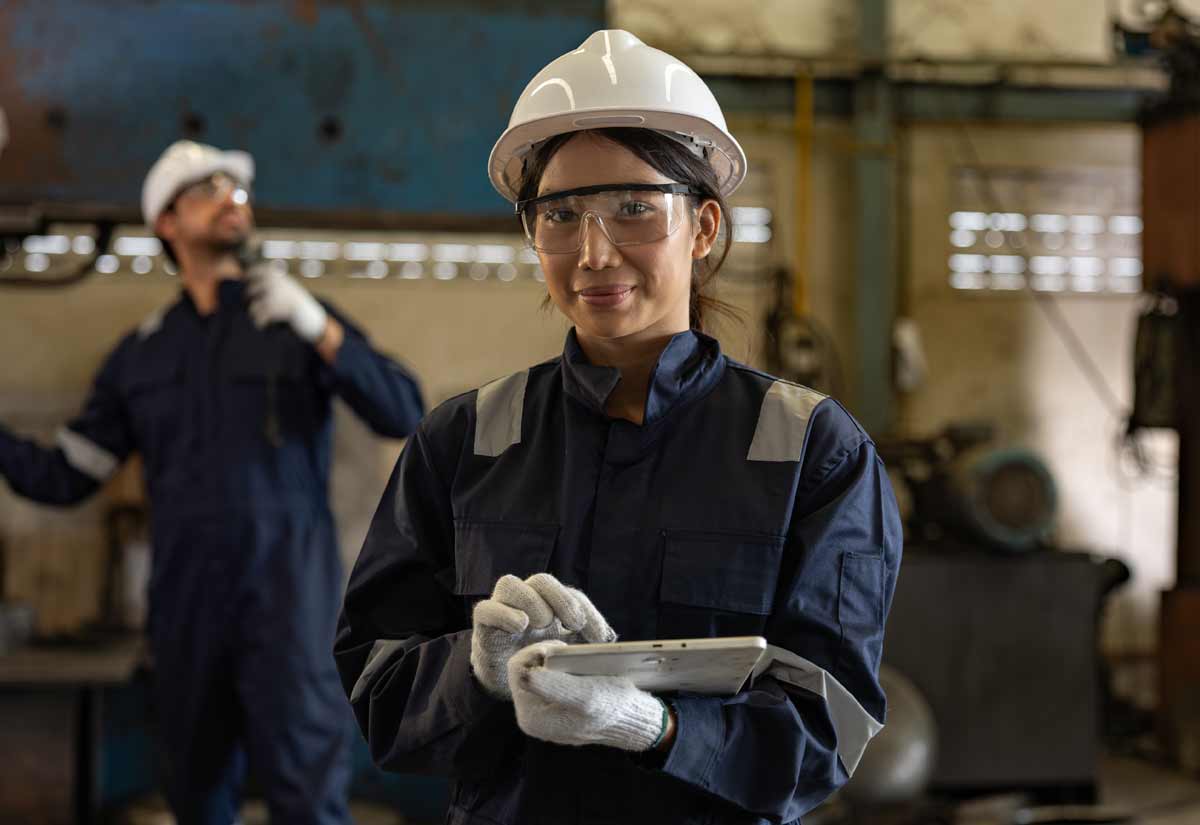
- Tech-Forward Quarry Superintendents: Operational commanders who understand rock mechanics, bench geometry, and crushing circuits, while also feeling comfortable managing tablet-based fleet software and remote telemetry dashboards.
- Predictive Fleet Maintenance Directors: Maintenance managers who can analyze onboard sensor data, oil sampling reports, and vibration telemetry to service autonomous hardware before mechanical breakdown occurs.
- Automation and Telematics Specialists: Cross-functional engineers capable of troubleshooting PLC control boards, satellite positioning receivers, and high-frequency radar modules on the fly.
According to a 2025 global industrial analysis from Mining Magazine’s Automation and Digitalization Insights Report, implementing autonomous machinery intensifies operational reliance on specialized technical talent. Rather than shrinking workforce needs, modern pit automation increases demand for high-tier technicians and cross-disciplinary leaders who can translate digital sensor feeds into daily production uptime.
The Winning Formula for North American Aggregates
The arrival of autonomous iron on the quarry bench is not a distant vision; it is an active competitive reality reshaping the cost structures of the industry’s most progressive producers.
Companies that invest early in the operational leadership required to command these hybrid fleets will capture higher throughput, lower cost-per-ton metrics, and safer operating environments. The future of aggregate extraction belongs to those who master the fusion of heavy iron, advanced sensors, and exceptional human talent.
Time to Call Resource Erectors
The transition to autonomous heavy mobile equipment and modern quarry technology requires exceptional operational leadership. Leaving critical superintendent, plant manager, or fleet engineering seats vacant leaves your company vulnerable to expensive implementation missteps and prolonged downtime in a rapidly modernizing market.
Resource Erectors connects North America’s premier producers across aggregates, mining, concrete, industrial minerals, and heavy civil construction with the top 10% of engineering, management, and operational talent.
- Partner with our specialized recruiters to build an exceptional operational roster through our comprehensive client recruitment services.
- Discover high-compensation quarry management, operations, and logistics opportunities across North America on the official Resource Erectors job board.
- Advance your career confidentially and position yourself on CEO Dan Duszynski’s executive short list for premier positions that never hit public boards when you submit your resume for general consideration.
- Ready to solve your company’s most demanding operational talent challenges? Reach out directly through our contact page today.