By the Resource Erectors Research Team
Unrelenting Demand for US Technical Leadership
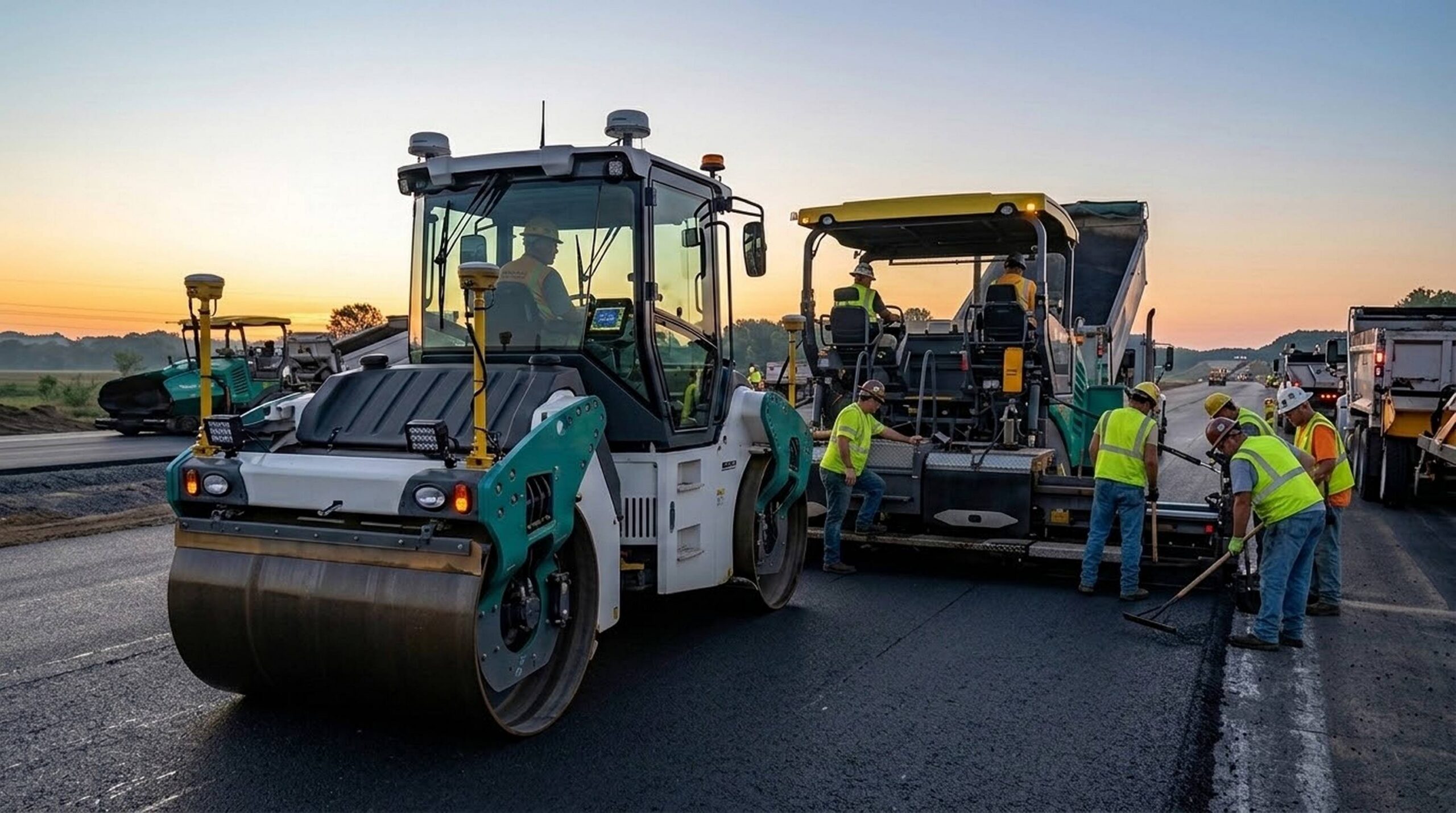
The multi-billion-dollar modern mining and industrial minerals sector isn’t just hungry for heavy iron, high-tonnage crushers, and capital infrastructure. It’s also an unrelenting nationwide battle for technical leadership. As mineral extraction becomes more automated, data-driven, and environmentally scrutinized, the heavy industry engineer’s profile has fundamentally transformed.
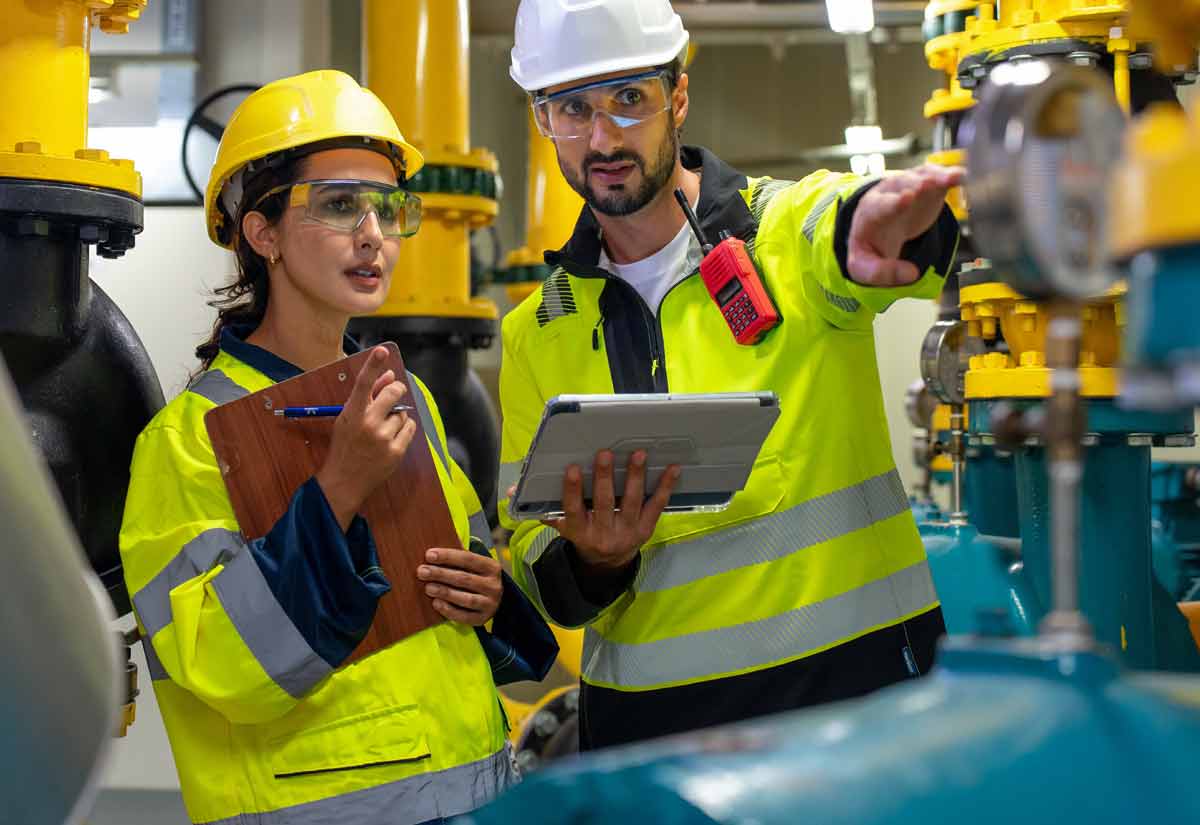
Operating a high-capacity aggregates quarry, overseeing an in-situ lithium extraction facility, or running an advanced mineral separation circuit demands far more than basic supervisory oversight. It requires genuine mastery of mechanical systems, process chemistry, digital automation, pyrometallurgy, and rigorous continuous improvement.
Developing our engineers of the future can never start too soon.
K-12 STEM Education for Future Engineers
Building that caliber of engineering leadership doesn’t begin the day a graduate receives a college diploma, nor does it end with a university commencement ceremony. The true industrial minerals career pipeline is a lifelong technical journey. It starts with early elementary STEM exposure, accelerates through world-class collegiate curricula, and thrives on post-graduate operational disciplines like Six Sigma.
Long before an aspiring engineer evaluates an open pit rock face, calculates conveyor belt tension, or troubleshoots a slurry pump circuit, foundational problem-solving habits must take root. Historically, heavy industry relied heavily on generational recruitment: families working in regional quarries, cement plants, or processing mills passed trade knowledge down by default. In today’s hyper-competitive knowledge economy, that informal pipeline no longer supplies the sophisticated engineering talent modern facilities require.
Forward-thinking communities and public school districts recognize that engineering thinking should start in early childhood. Dedicated magnet school programs, such as Florida’s Combee Academy of Design and Engineering, show how early, structured STEM immersion turns young learners into tactile, confident problem solvers.
Robotics, Physics, and Design Challenges
By integrating hands-on design challenges, physics fundamentals, robotics, and project-based experimentation directly into the elementary curriculum, magnet schools demystify how the physical world is engineered.
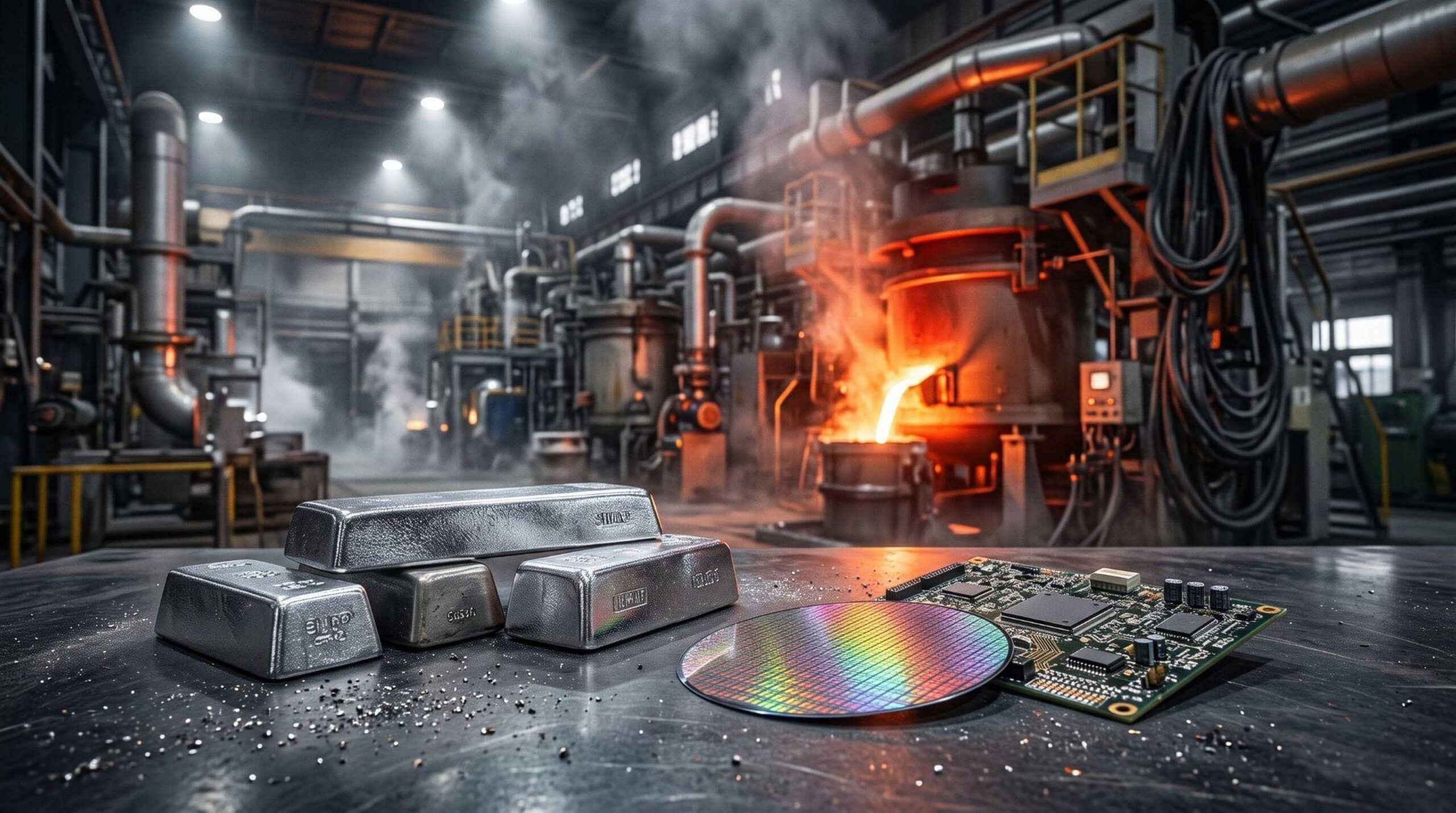
Students learn early that sand, gravel, limestone, phosphate, and essential industrial minerals are not just dirt underfoot; they are the building blocks of concrete bridges, highway transit networks, semiconductor microchips, fertilizer, and clean energy grids.
Paired with rigorous academic frameworks like the K-12 Cambridge Assessment International Education curriculum, young students build a strong foundation in analytical mathematics, systematic scientific inquiry, and clear written communication.
These structured programs teach students how to formulate hypotheses, analyze structural material failures, and collaborate on iterative mechanical designs. This rigor builds the communication and technical skills needed to manage high-stakes industrial operations, capital projects, and multi-million-dollar plant budgets later in life.
Specialized Collegiate Programs and Industrial Career Relevance
After secondary education builds a disciplined scientific foundation, specialized collegiate programs turn raw aptitude into operational mastery. In the heavy natural resources sector, few academic institutions carry the global prestige, technical rigor, and industrial relevance of the Colorado School of Mines.
Located in Golden, Colorado, Mines has served as the intellectual engine for extractive metallurgy, geotechnical engineering, and surface mining operations for more than a century. The university immerses students in the direct physical realities of bulk material handling, comminution circuits, hydrometallurgical processing, tailings management, and subsurface rock mechanics.
Graduates enter the workforce understanding both the corporate balance sheet and the frontline operational grind of keeping a primary jaw crusher running at peak capacity through severe operating conditions.
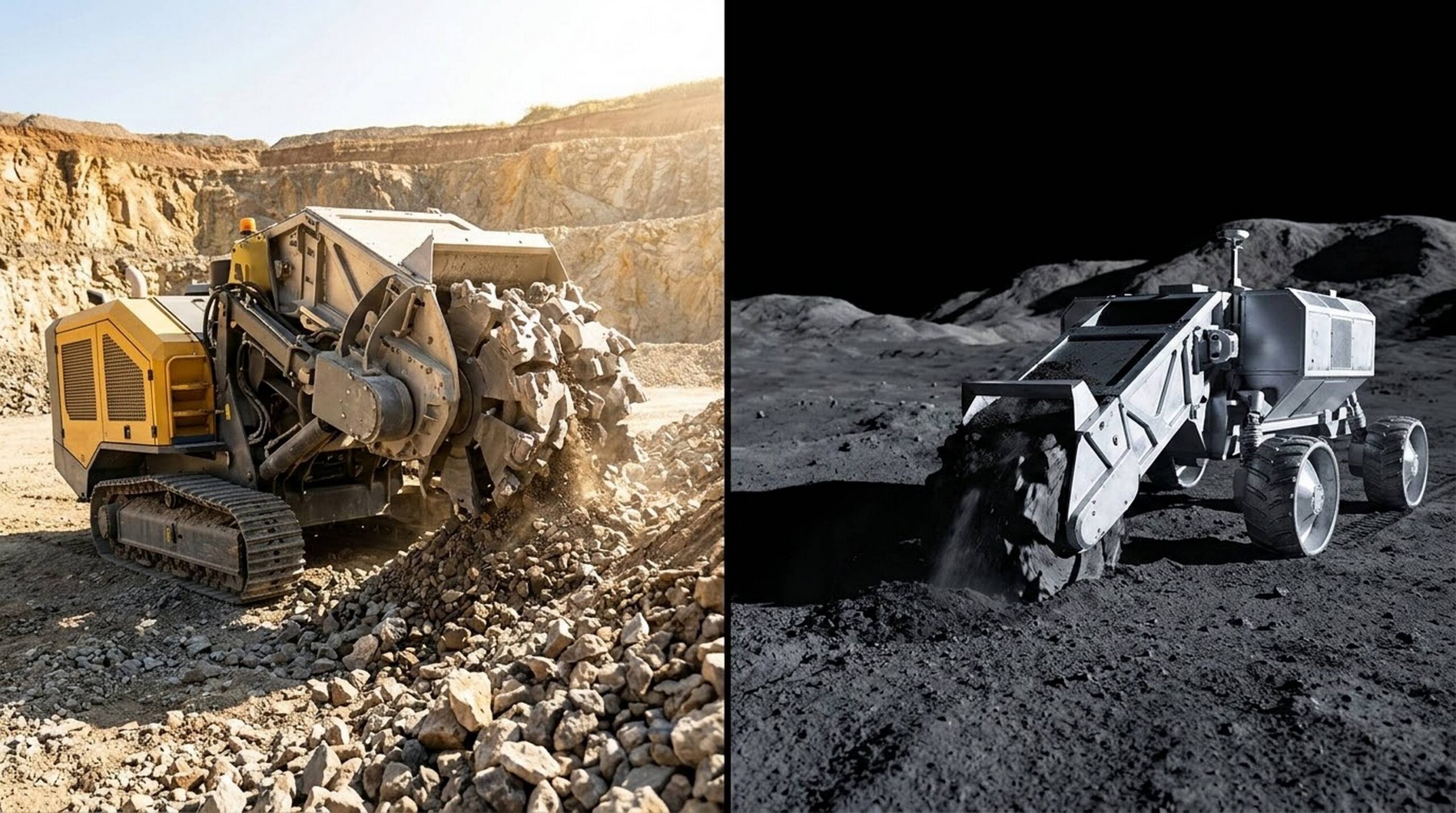
What sets modern elite engineering institutions apart is their forward-looking vision. Extractive engineering is no longer confined solely to traditional terrestrial pits and underground seams. Through initiatives like its dedicated Space Resources Graduate Program, the Colorado School of Mines prepares engineers to pioneer in-situ resource utilization (ISRU) on planetary surfaces like the Moon and Mars.
The technical principles governing lunar regolith extraction, vacuum-rated mechanical design, abrasive dust mitigation, zero-entry automation, and autonomous material haulage are direct evolutions of modern terrestrial aggregate and industrial sand challenges.
An engineer trained to extract critical elements and manage abrasive particulate in low-gravity vacuum environments possesses the ultimate systems-engineering perspective for terrestrial quarries.
Maintaining the North American Technical Edge
By training students to solve the hardest conceivable physical problems, collegiate programs ensure that North American mining operations maintain an insurmountable technical edge.
Graduating with an engineering degree from an elite institution is the entry gate to a lucrative 6-figure career in heavy industry, not the finish line.
In modern processing facilities, operational conditions change by the hour. Ore grades fluctuate across the quarry bench, moisture levels swing with weather conditions, mechanical wear degrades tolerances, and supply chain delays squeeze margins. Autonomous system expertise is crucial for plant and quarry engineers.
Continuous Improvement is Business as Usual
The most effective engineering leaders maintain continuous professional development. Among the most valuable post-degree operational methodologies is Six Sigma and Lean Continuous Improvement, championed by professional organizations like the American Society for Quality (ASQ).
Six Sigma equips industrial plant managers, quarry superintendents, and process engineers with the DMAIC (Define, Measure, Analyze, Improve, Control) framework to systematically root out operational waste, variation, and equipment downtime:
- Eliminating Crusher Bottlenecks: Applying statistical process control to track feed rates, mantle wear, and closed-side settings to maximize tons-per-hour output without overloading electric drives.
- Reducing Plant Downtime: Implementing root-cause failure analysis on high-torque slurry pumps, screen bearings, and gearboxes to shift maintenance teams from reactive firefighting to predictive condition monitoring.
- Quality Assurance in Tight-Tolerance Materials: Ensuring specialty sands, clinker blends, and metallurgical clays maintain uncompromising gradation curves to eliminate out-of-spec customer rejections and costly product remilling.
Training the Management Elite for Heavy Industry
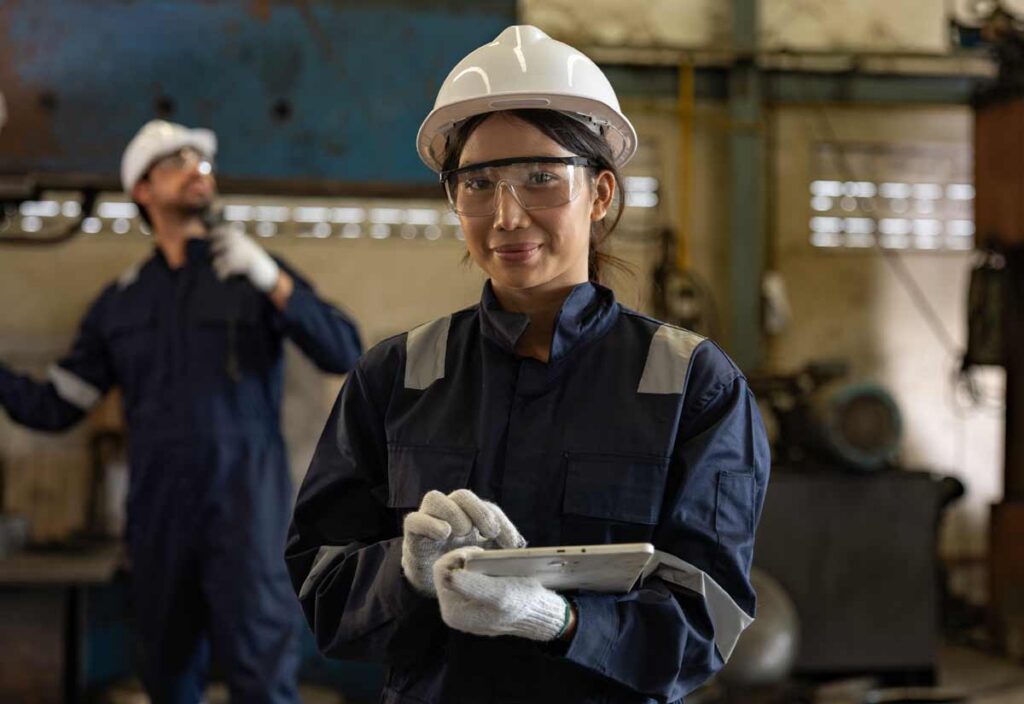
When industrial professionals combine foundational STEM acumen, rigorous university degrees, and formal continuous improvement certifications, they transition from standard project engineers into elite operational general managers. They become the highly coveted professionals who can steer complex, capital-heavy operations toward maximum profitability, ironclad safety records, and long-term sustainability.
These hybrid leaders bridge the traditional divide between the frontline mechanic and the executive boardroom. They speak the language of equipment vibration analysis as fluently as they read quarterly cash flow statements, making them the most sought-after human capital assets in the modern resource sector.
Developing, identifying, and securing elite engineering leadership is the single greatest competitive advantage in modern heavy industry. As veteran plant superintendents retire and processing operations grow more sophisticated, companies cannot afford long vacancies in operational, process engineering, or executive roles. Leaving mission-critical seats open stalls capital projects and erodes operating margins due to the High Cost of Vacancy in critical leadership positions.
Resource Erectors for Continuous Career Improvement
Resource Erectors connects North America’s premier producers across aggregates, industrial minerals, concrete, mining, and heavy civil construction with the top 10% of engineering and management talent.
- Partner with our specialized recruiting team to build an exceptional operational roster through our comprehensive client recruitment services.
- Discover high-compensation engineering, plant management, and technical sales opportunities across North America on the Resource Erectors job board.
- Advance your career confidentially and position yourself on CEO Dan Duszynski’s executive short list for premier positions that never hit public boards when you submit your resume for general consideration.
- Ready to solve your company’s most demanding operational talent challenges? Reach out directly through our contact page today.