By the Resource Erectors Team
The American shale revolution changed the global energy landscape forever, but the industry of 2026 bears little resemblance to the “wildcatting” days of a decade ago. While the initial boom was defined by raw volume and rapid expansion, the current era is defined by extreme efficiency, capital discipline, and state-of-the-art technology.
The “Shale Gale” has matured into a high-tech sector that rivals Silicon Valley in its use of data, automation, and advanced engineering.
According to a Deloitte analysis of innovation in the oil and gas shale sector, the industry is currently navigating what experts call “Innovation 2.0.” This phase focuses on squeezing every possible drop of value from every dollar invested. It is no longer enough to simply hit a target.
The goal is to hit it with surgical precision while minimizing the environmental and operational footprint. This technical resurgence is a primary driver behind the broader energy pivot and fossil fuel resurgence of 2026, where domestic production is once again taking center stage.
Digital Twins and the AI Revolution at the Wellhead
Perhaps the most significant leap forward in the shale patch is the integration of Artificial Intelligence and digital twin technology. Operators are no longer flying blind or relying solely on historical data. Today, every major well is preceded by a digital twin, which is a virtual replica that allows engineers to simulate drilling and fracking scenarios before a single bit touches the dirt.
These simulations use machine learning to predict how specific rock formations will react to different pressures and fluid mixtures. This predictive capability reduces the risk of interference, where a new well might negatively impact a nearby existing well.
By processing millions of data points from surrounding wells, AI can optimize the spacing and intensity of the completion process in real time. The result is a massive reduction in material waste and a significant boost in the asset’s estimated ultimate recovery..
Automated Drilling and Remote Operations Centers
The iconic image of the roughneck on the rig floor is also evolving. Modern “super-spec” rigs are now largely automated. Robotic pipe-handling systems and automated drilling software can maintain optimal weight-on-bit and rotational speed with a level of consistency that a human operator simply cannot match.
This automation does more than just speed up the process. It drastically improves safety by removing personnel from the most dangerous areas of the rig.
Many of these operations are now coordinated from Remote Operations Centers (ROCs) located hundreds of miles away from the actual well site. In these hubs, specialists monitor multiple rigs simultaneously, using real-time telemetry to make adjustments on the fly.
The centralized command model allows a small team of elite engineers to oversee vast geographic areas, ensuring that the best practices developed in one basin are immediately applied across the entire fleet.
The Push for Longer Laterals and Material Security
The engineering feat of horizontal drilling continues to reach new heights. Just a few years ago, a “long lateral” was considered to be two miles. Today, the industry is routinely pushing toward three-mile and even four-mile laterals from a single vertical wellbore.
Pushing a drill string horizontally for four miles through solid rock requires incredible torque management and advanced “measurement while drilling” (MWD) tools. These tools provide a constant stream of data about the bit’s location and the characteristics of the surrounding rock.
This massive extension places extreme stress on industrial hardware, particularly the high-performance drill bits that require critical minerals. This highlights the importance of the Tungsten Trench and the push for domestic mineral autonomy, as the industry cannot achieve these engineering milestones without a secure supply of essential metals.
E-Fracking and the Electrification of the Patch
Sustainability and efficiency are merging into “e-fracking.” Traditionally, hydraulic fracturing fleets were powered by massive diesel engines. These fleets were loud, required a constant logistics chain of diesel fuel trucks, and produced significant emissions.
The state of the art has shifted toward electric fracturing units powered by natural gas turbines or local grid connections. These e-frac fleets use natural gas produced at the wellhead to generate electricity.
This creates a circular energy economy that slashes fuel costs, reduces the truck traffic on local roads, and lowers the carbon intensity of the completion process. Additionally, electric motors provide more precise control of pumping pressure, resulting in a more consistent and effective fracture network in the rock.
Re-fracking: Giving Old Assets New Life
As the best “tier one” acreage in basins like the Permian and the Appalachian becomes more crowded, the industry is looking at its existing inventory with fresh eyes. Re-fracking, the process of pumping a new stimulation treatment into an older well, is becoming a primary tactical move.
With modern completion designs and better chemical diverters, operators can target sections of the rock that were missed during the initial frack. This allows a company to double or triple the production of an old well for a fraction of the cost of drilling a new one. It is a prime example of the industry’s shift toward asset optimization over new construction.
Advanced Water Management and Recycling
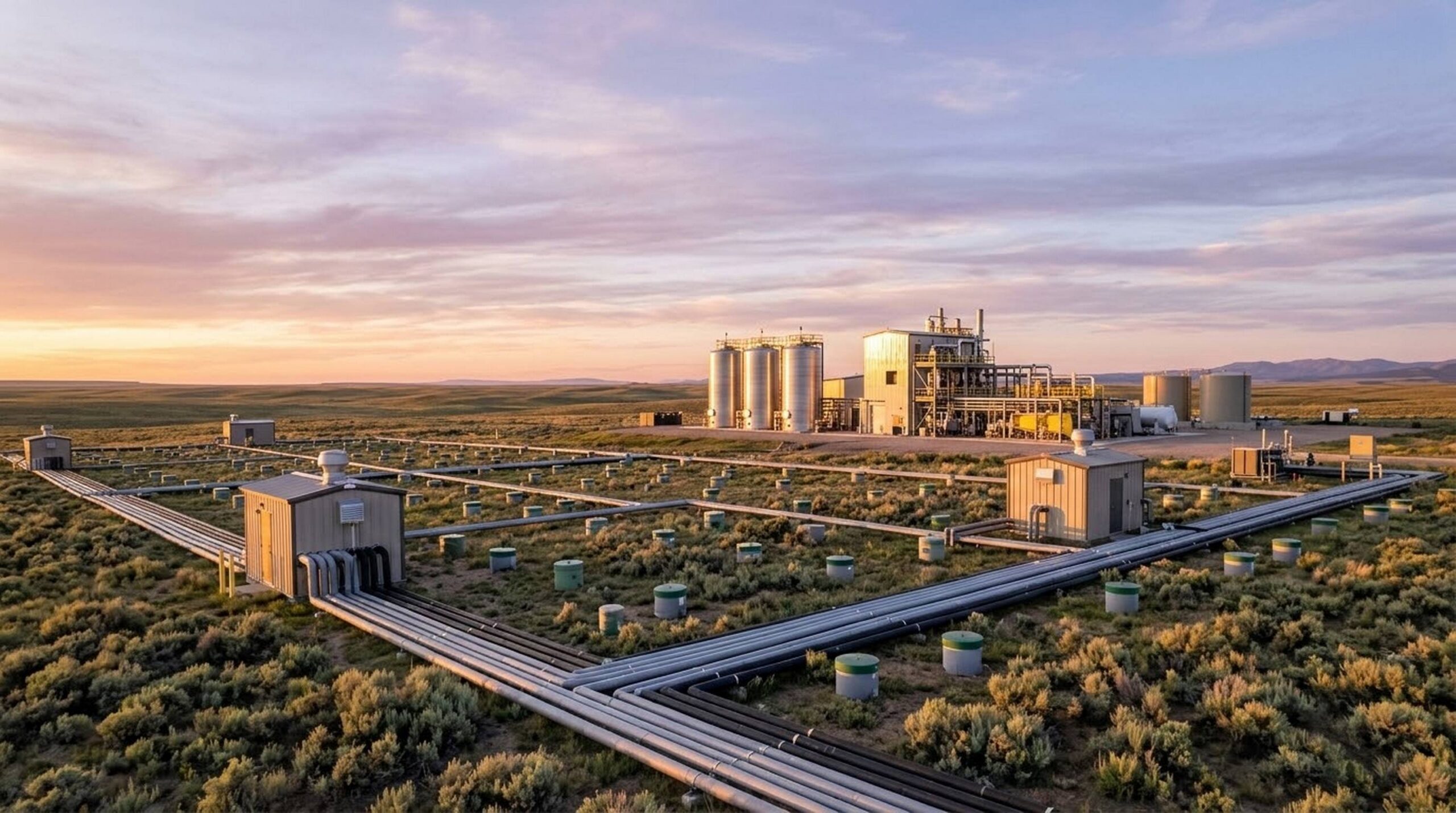
Water is the lifeblood of shale operations, and managing it has historically been a massive logistical headache and an environmental concern. The current state of the art involves sophisticated water recycling hubs.
Instead of disposing of “produced water” in deep injection wells, modern operators are treating and reusing it for their next fracking job. Automated piping networks are replacing thousands of truck trips to move water between pads with minimal human intervention.
Obviously, this lowers costs and reduces the strain on local freshwater resources, a critical factor in the long-term social license to operate in many states.
The Human Element: The Tech-Savvy Workforce
While the technology is impressive, it requires a new breed of professional to manage it. The industry is moving away from manual labor and toward technical oversight. We are seeing high demand for project managers who understand both the field’s mechanical grit and the sector’s digital language.
The companies winning the shale game are those that can attract and retain engineers and superintendents who are comfortable with AI-driven analytics and automated systems. The modern shale professional is as much a data analyst as they are an operations expert.
Time to Call Resource Erectors
At Resource Erectors, we connect top-tier energy, construction, and mining companies with the elite talent required to master “Innovation 2.0.” The transition to automated rigs, e-fracking, and fleet management requires a specific caliber of technical expertise.
- If your company needs to fill crucial positions in automated systems, remote operations, advanced water management, and heavy industry sectors across the board, browse our industry-leading recruitment services. Over 85% of Resource Erectors’ placed professionals are still contributing to their companies’ success 5 years later and counting. Avoid the High Cost of Vacancies and the disruptions of the dreaded Bad Hire that eat away at your company’s bottom line.
- If you are a professional seeking to manage your long-term success in the high-tech US shale sector, civil construction, concrete, aggregates, mining, minerals, construction material sales, OSHA/MSHA safety, and more, explore our available careers and open Resource Erectors job opportunities.
- To discuss your company’s specific needs or start your career journey in the evolving oil and gas landscape, visit our contact page today.
Not seeing your next career move in this particular sector?- Make sure to submit your resume for general consideration. This puts you on CEO Dan’s short list for confidential hiring opportunities that may never appear on public job boards.