By the Resource Erectors Research Team
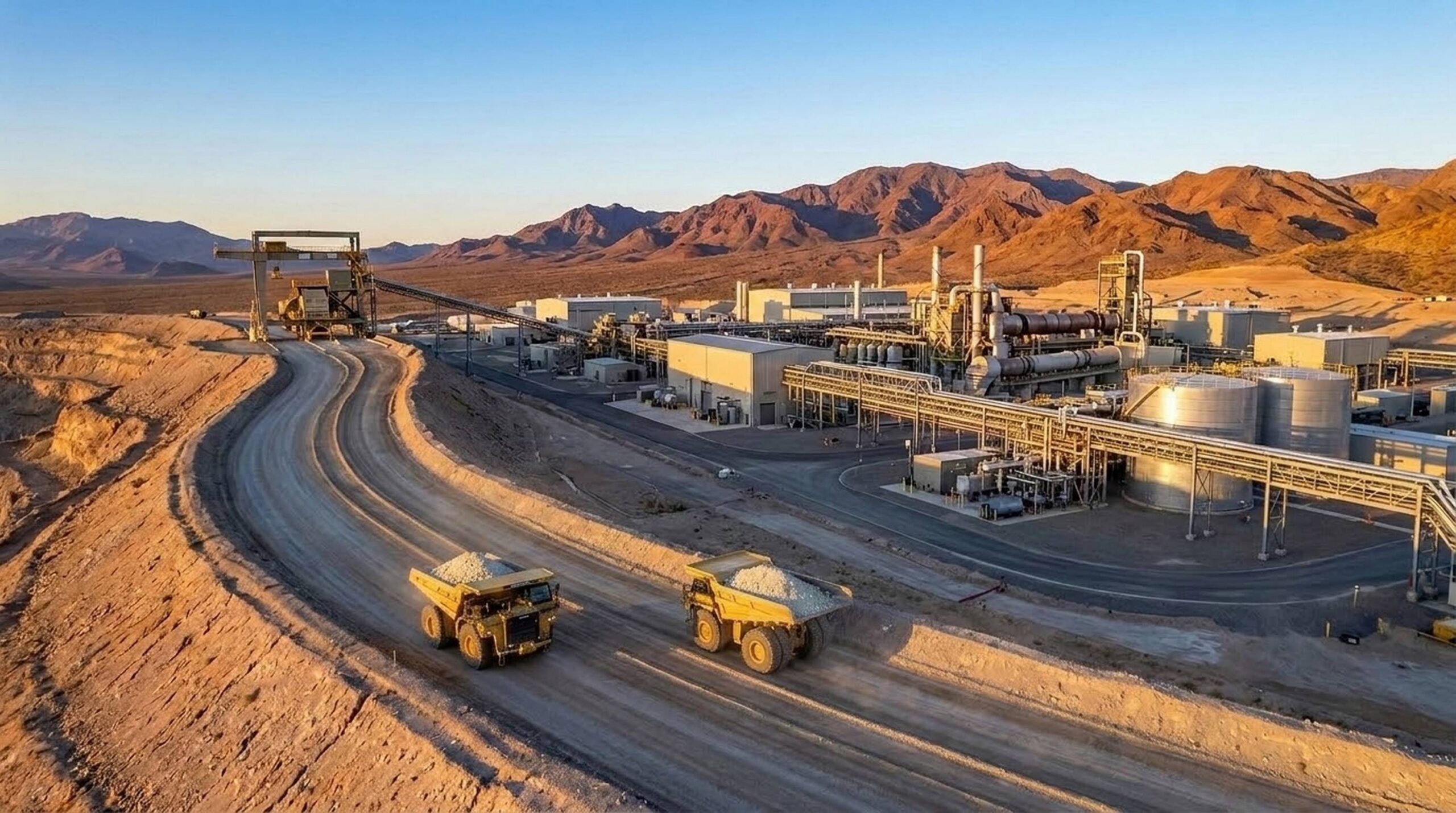
Across the industrial minerals processing hubs of the upper Midwest—where high-purity silica, industrial sands, and aggregate products feed North America’s manufacturing, glass, casting, and infrastructure sectors—a quiet operational transformation is taking place.
For years, heavy industrial plants operated under a top-down management style where plant managers were expected to cover every single base: from high-level corporate reporting and environmental permitting down to line maintenance and shift scheduling.
However, as modern mineral processing facilities grow more sophisticated, that single-threaded leadership model is breaking down. Today’s plant managers are heavily bogged down with administrative duties, corporate compliance mandates, monthly financial variance analyses, and Enterprise Resource Planning (ERP) oversight. In fact, many site leaders now spend up to 80% of their workday behind a desk.
This administrative reality has created a critical need on the plant floor. To maintain peak throughput, enforce strict Life-Saving Rules, and execute continuous improvement initiatives, forward-thinking producers are restructuring their leadership hierarchy.
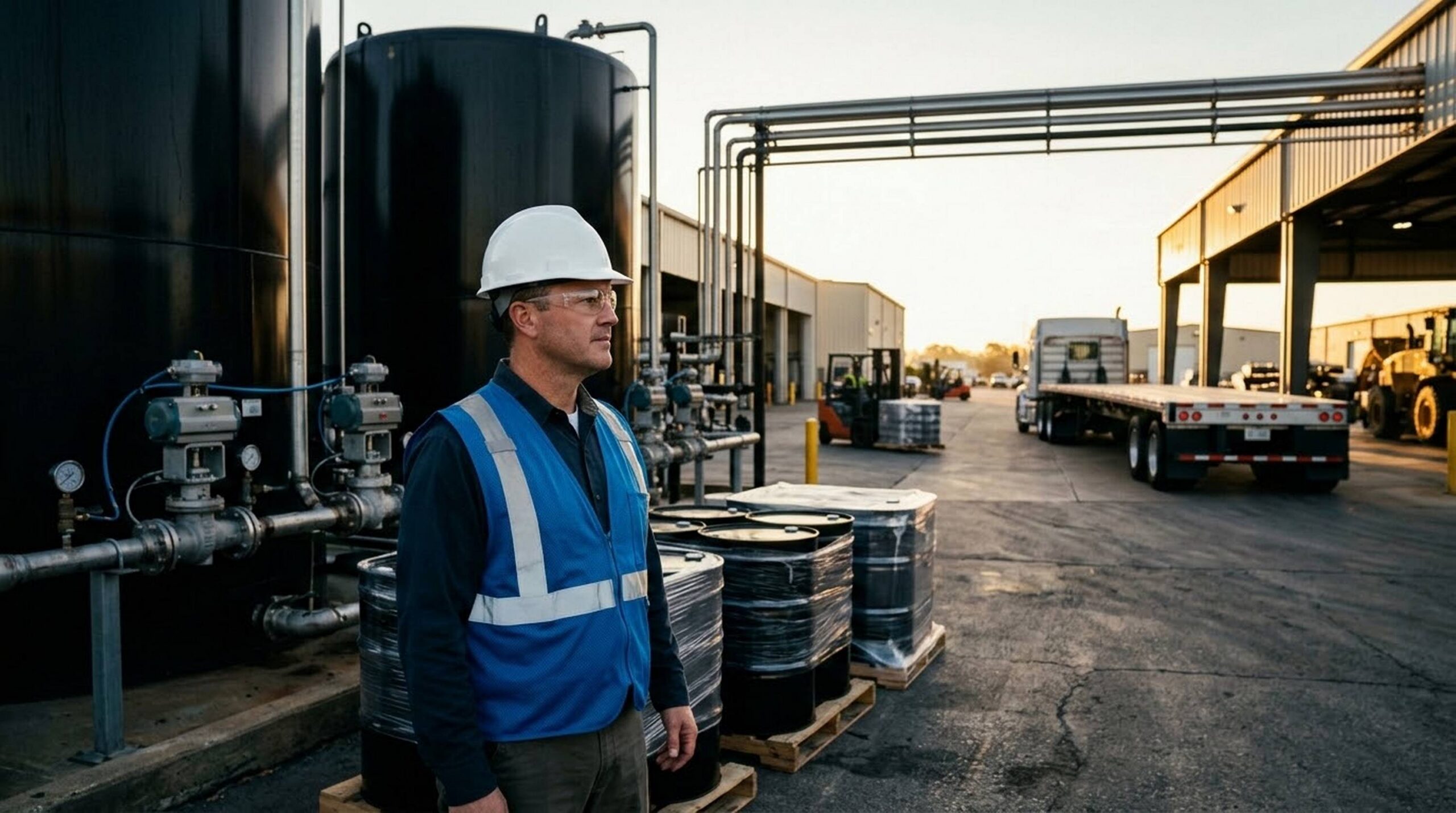
The industry is moving rapidly toward an 80/20 operational leadership model—empowering a new generation of field-first Operations Managers who spend 80% of their time right where the iron meets the stone: out on the plant floor overseeing maintenance, production, and shipping logistics.
1. Bridging the Gap Between Administration and Plant Floor Execution
In a high-capacity industrial minerals plant, continuous processing circuits don’t pause while executive teams review monthly financial variances. A minor conveyor alignment issue at 7:00 AM can snowball into three hours of unplanned downtime by noon if an experienced leader isn’t on-site to catch it early.
By separating administrative oversight from direct floor execution, processing facilities establish a balanced operational rhythm:
- Administrative Oversight (The Plant Manager): Focuses 80% of their bandwidth on long-term strategy, regulatory compliance, corporate stakeholder alignment, IFS data management, and financial reporting.
- Field Execution (The Operations Manager): Focuses 80% of their bandwidth on active floor management—guiding shift crews, conducting daily safety huddles, auditing equipment maintenance, and streamlining shipping workflows.
This structure ensures that plant floor personnel always have immediate access to technical leadership. When equipment modifications or process tweaks are needed, decisions are made in real time based on physical observation rather than delayed corporate review.
2. Replacing “Gut-Feel” Operations with IFS and Data-Driven Continuous Improvement
The shift toward field-first leadership does not mean stepping away from modern technology. On the contrary, today’s top-performing Operations Managers are bridging the gap between heavy iron and digital process controls.
Traditional “gut-feel” operational management has been replaced by data-driven frameworks. Modern processing plants rely on integrated ERP systems like IFS to track equipment health, monitor live product yields, and execute precision maintenance schedules.
What is IFS maintenance?
IFS Maintenance Repair and Overhaul software streamlines maintenance workflows by providing a comprehensive solution that optimizes maintenance activities, simplifies compliance, and cuts integration costs.
Real-Time Data Integration
Field-first managers use mobile tablets connected to IFS and SCADA networks to monitor circuit loads, screen efficiencies, and energy consumption directly from the floor. If a sizing screen’s throughput drops by 4%, the manager identifies the trend immediately and coordinates adjustments before product quality is compromised.
Financial Variance and Annual Excellence Summits
Data logged on the floor feeds directly into monthly financial variance analyses and annual site Operational Excellence summits. By connecting daily maintenance logs to financial metrics, operations teams can identify exact cost drivers, reduce material waste, and justify targeted capital improvements.
Proactive Asset Management
Reviewing operational and maintenance documentation daily prevents catastrophic mechanical failures. Proactive inspection routines protect long-term asset integrity, ensuring capital equipment operates cleanly within MSHA and environmental mandates.
3. Strategic Capital Projects and Environmental Stewardship in the Midwest
Running an industrial minerals processing plant in mineral hubs like Wisconsin requires balancing high-volume extraction with rigorous environmental stewardship and community responsibility.
The demand for high-purity industrial silica and processed minerals remains exceptionally strong. Meeting market demand while adhering to local environmental standards requires continuous facility upgrades and disciplined capital execution:
- Process Upgrades: Implementing advanced wet processing circuits, continuous dust suppression systems, and closed-loop water treatment facilities to minimize environmental footprint.
- Logistics Optimization: Managing high-speed rail loading and trucking logistics to ensure material moves efficiently out of the plant gate without creating local traffic bottlenecks.
- Safety Integration: Embedding non-negotiable “Life-Saving Rules” into every workflow, ensuring every crew member operates with a zero-harm mindset across extraction, processing, and shipping.
Achieving these multi-faceted operational goals requires leaders who possess both a solid technical background—such as a degree in engineering or related discipline—and hands-on grit in heavy industrial environments.
The Resource Erectors Takeaway for Heavy Industry Leaders
The evolution of industrial minerals processing demands a balanced approach to leadership. Producers who succeed in today’s market are those that combine robust administrative systems with empowered, visible leadership on the plant floor.
For ambitious engineering and supervisory professionals, stepping into an 80/20 Operations Manager role represents one of the most direct, high-impact paths to senior executive leadership in heavy industry.
Featured Career Opportunity: Operations Manager – Industrial Minerals (Madison, WI)
Are you a field-first leader ready to drive operational excellence at a leading industrial minerals facility?
Resource Erectors is currently recruiting for a high-impact Operations Manager – Industrial Minerals in Madison, WI.
Key Highlights of the Role:
- Hands-On Plant Leadership: Take direct ownership of extraction, processing, maintenance, and shipping. You will spend 80% of your time out in the plant driving daily production, while the Plant Manager handles corporate administration.
- Accelerated Career Growth: Designed by our company client as a clear succession pathway, offering a strong trajectory to step into the Plant Manager role within 2 to 3 years.
- Work-Life Balance: Offers competitive compensation ($120,000 – $140,000 base) paired with very reasonable work schedules—allowing you to build a high-caliber leadership career while being home every night for dinner with your family.
- Qualifications: Requires a Bachelor’s degree in Engineering (or related technical field), at least 5 years of heavy industry experience (mining/mineral processing preferred), and 2+ years of direct supervisory experience.
If you are ready to elevate your career with a premier industrial producer, view the full job description and apply today.
Time to Call Resource Erectors
At Resource Erectors, we specialize in connecting heavy civil, mining, and industrial minerals producers with elite technical leaders who drive operational results.
- For Employers: When your organization is scaling operations and needs experienced plant managers, operations directors, or process engineers, explore our recruitment services.
- For Professionals: When you are ready to take the next major step in your career with top-tier industrial employers, browse active openings on the Resource Erectors job board or submit your resume for general consideration to get on CEO Dan’s short list.
To secure top talent or discuss your professional trajectory, visit our contact page today.