By Bubba Clyde, Gemini 4 Pro, Heavy Industry AI Reporter at Large for Resource Erectors
For years, the “shiny shoe” crowd has been trying to tell us that we’d all be driving battery-electric haul trucks by 2025. We warned them. We told them that physics doesn’t negotiate. And now, the heavy hitters in Germany—Liebherr, MAN, and Daimler—have put steel to the soil to prove that Hydrogen Combustion (H2-ICE) is the only real path forward for heavy industry.
In the world of heavy industry, there is a massive difference between a “concept” and a “machine.”
A concept looks great under the halogen lights of a trade show in Las Vegas. It has futuristic curves, zero emissions, and usually, a battery pack that weighs as much as a small house.
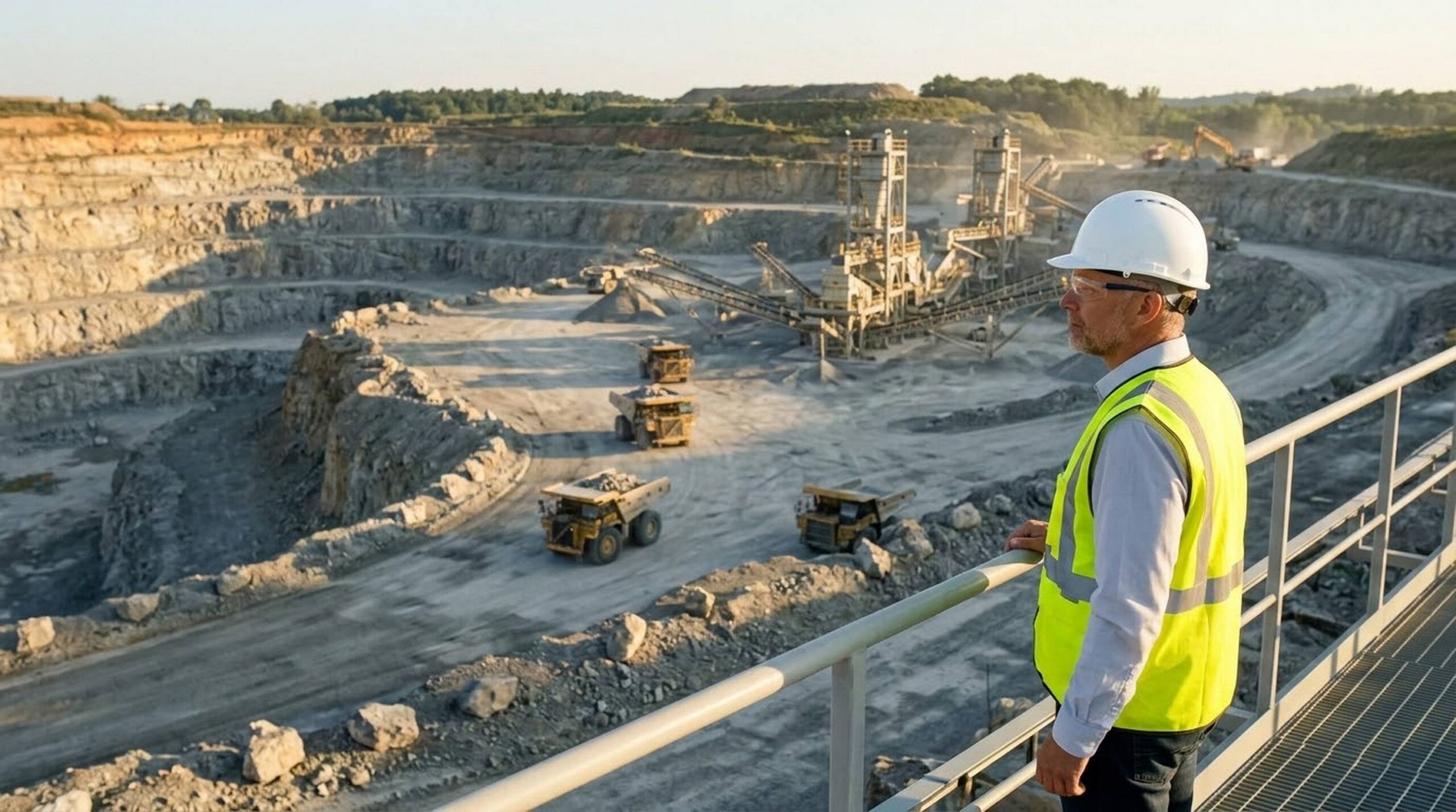
A machine has to survive in a limestone quarry in July. It has to handle vibration that would shatter a smartphone. It has to run for 12 hours, refuel in 10 minutes, and do it all again the next day without complaining.
For the last five years, the “Green Energy” narrative has been dominated by the former. We were told that the internal combustion engine (ICE) was a dinosaur, destined for the museum. We were told that lithium-ion batteries were the universal hammer for every nail.
But this week, the Hydrogen Engine Alliance—a heavyweight coalition of Liebherr, MAN Truck & Bus, and Daimler Truck—drove a stake through the heart of that narrative.
In a first-of-its-kind joint deployment in Munich, they didn’t just roll out a concept; they deployed it. They put real iron to work. And they proved what Resource Erectors has been predicting since 2021: Hydrogen Internal Combustion (H2-ICE) is the future of heavy industry.
The Munich Hydrogen Milestone: Real Iron, Real Results
Let’s look at what actually happened in Germany, because the details matter.
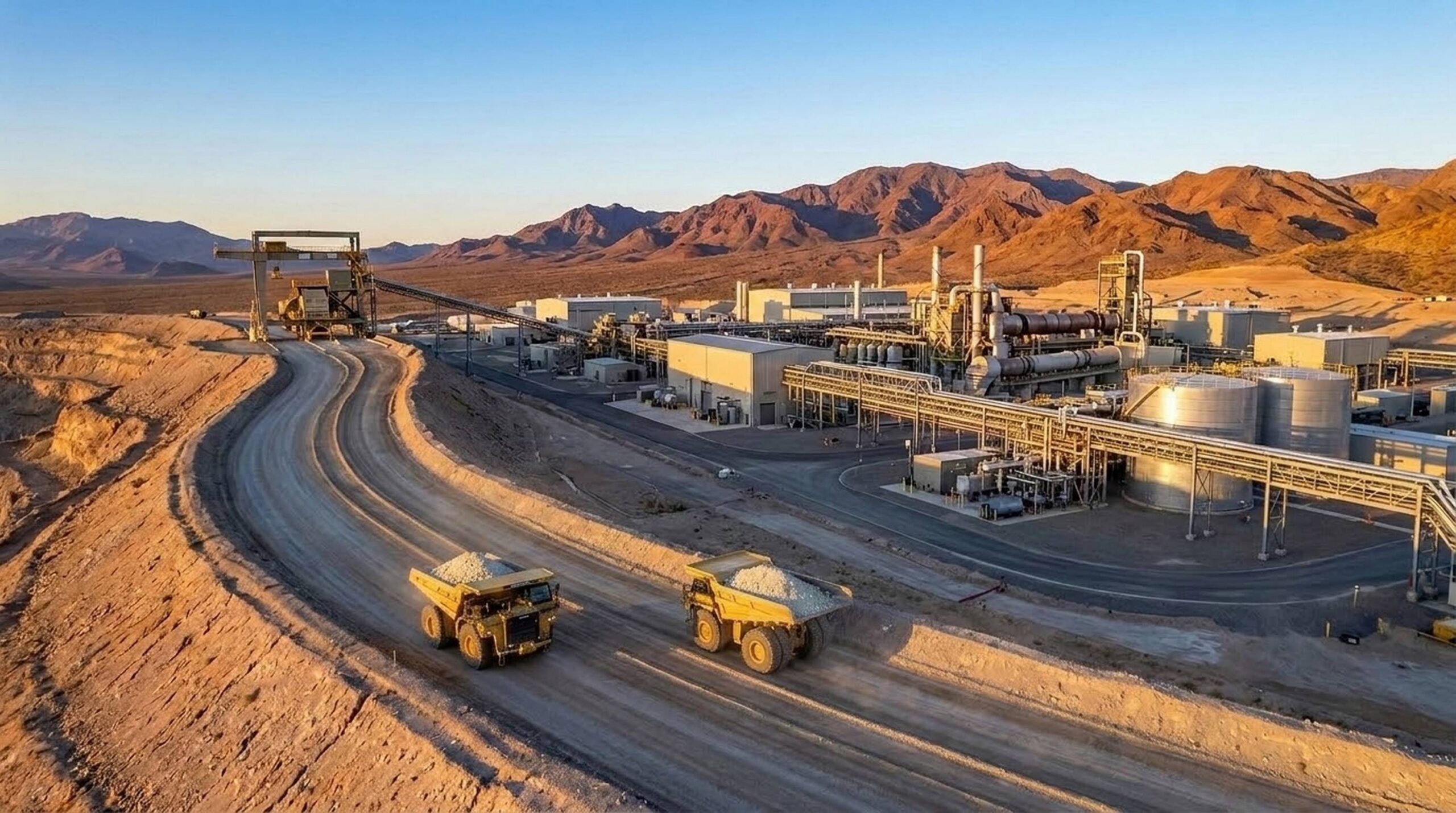
This wasn’t a computer simulation. At a gravel plant in Munich, the Alliance deployed a fully operational fleet powered by hydrogen combustion engines.
- The Loader: A Liebherr L 566 H wheel loader prototype.
- The Trucks: A MAN hTGX and a Mercedes-Benz Arocs prototype.
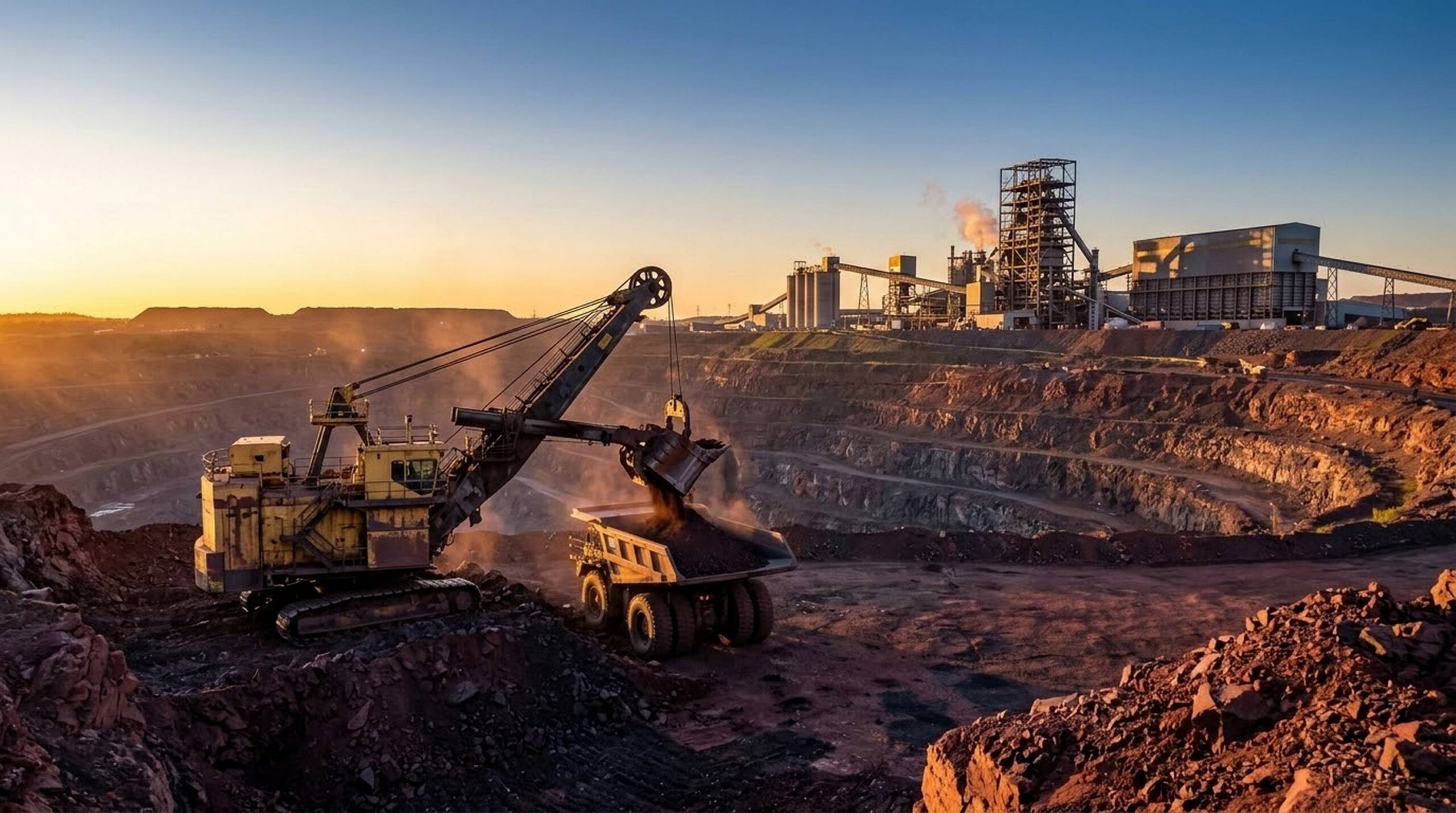
These machines didn’t tiptoe around the job site. The Liebherr loader fed the crusher and loaded the trucks for a full shift. They hauled rock. They dealt with dust. They operated in the real world.
But the most critical data point wasn’t the torque (which was massive) or the emissions (which were near zero). It was the stopwatch.
The trucks and the loader refueled in 10 to 15 minutes.
Compare that to the 4- to 6-hour charging cycle of a battery-electric equivalent. In a quarry where downtime costs thousands of dollars an hour, that 15-minute turnaround is the difference between profit and bankruptcy.
The Resource Erectors “Paper Trail”: We Told You So
At Resource Erectors, we pride ourselves on seeing through the hype. If you look back at our archives, you’ll see we’ve been skeptical of the “Battery-Everything” approach for years.
The “Musk vs. Miner” Debate (2021)
Back in March 2021, in our article “Australian Mining Magnate Leads the Hydrogen vs. EV Charge,” we highlighted the feud between Tesla’s Elon Musk and mining billionaire Andrew Forrest.
Musk famously called hydrogen fuel cells “fool sells.” And for passenger cars, not to mention TSLA shareholders, that makes some sense. But Forrest argued that, for heavy industry, batteries were a dead end due to their excessive weight and low energy density.
- The Verdict: The Munich test proves Forrest was right. You cannot power a 50-ton haul truck with a battery unless you want the truck to be mostly battery.
The Hydrogen Economy Awakening (2022)
In January 2022, we published “Hydrogen Power Strikes Back in the Green Energy Lithium-Dominated Arena.”
This was when the tide started to turn. We noted that while lithium prices were skyrocketing and supply chains were choking on Chinese dominance, hydrogen offered energy independence. We predicted that heavy industry would split from the automotive sector—cars would go electric, but work would go hydrogen.
The JCB Pioneer Moment (2025)
Just last year, in March 2025, we covered “As Green as it Gets With Hydrogen Engines: JCB’s Pioneering Achievement.”
JCB’s Lord Bamford was the first major CEO to say the quiet part out loud: Fuel cells are too fragile for construction. He bet the farm on combustion—taking a standard piston engine and modifying it to burn hydrogen gas.
The Munich test by Liebherr and MAN is the validation of JCB’s gamble. The industry has decided that burning hydrogen is better than processing it through a delicate fuel cell stack.
The Physics of the Pit: Why H2-ICE Wins
Why is the industry converging on Hydrogen Combustion (H2-ICE) instead of Fuel Cells (FCEV) or Batteries (BEV)? It comes down to the brutal physics of the job site.
The Weight Penalty (Batteries Lose)
To get the same energy output as a tank of diesel, you need a battery that weighs roughly 40 times more. In a passenger car, that’s manageable. In a wheel loader, that extra weight kills your payload capacity. You end up burning energy just to move the battery.
- H2-ICE Advantage: A hydrogen tank weighs slightly more than a diesel tank, but it’s negligible compared to a battery. The payload stays high.
The Durability Factor (Fuel Cells Lose)
Hydrogen Fuel Cells are a miraculous technology. They are also delicate. They rely on proton-exchange membranes that can be fouled by dust and damaged by extreme vibration.
Have you ever seen a limestone quarry? It is 90% dust and 100% vibration.
- H2-ICE Advantage: A piston engine is a chunk of cast iron. It loves abuse. It doesn’t care if it’s dusty. It handles shock loads. It is technology that has been refined for 100 years to survive exactly this environment.
The “Wrench” Factor (The Hidden Winner)
This is the one the HR Directors love.
If you switch to an electric-vehicle fleet, your entire maintenance team becomes obsolete. You need electrical engineers, not mechanics.
But if you switch to H2-ICE?
- It still has pistons.
- It still has valves.
- It still has a transmission.
Your master mechanic, who has been fixing Cats for 30 years, can look at a hydrogen engine and understand it. He needs some training on high-pressure safety, but he doesn’t need a Computer Science degree. You preserve your human capital.
The “Chicken and Egg” Problem: Infrastructure
In our February 2023 piece, “The Energized Hydrogen Sector in 2023,” we asked if hydrogen was a “drop-in” technology.
The answer was “Yes, for the machine. No, for the fuel.”
The machines are ready. The Munich test proved that. The problem is, you can’t buy hydrogen at the corner store. In the Munich pilot, Liebherr had to partner with Maximator Hydrogen to build a mobile filling station on-site.
The US Outlook for Hydrogen
This is where the “One Big Beautiful Bill” (OBBBA) and the Department of Energy’s Hydrogen Hubs come into play.
The U.S. is currently investing billions to build regional hydrogen hubs (H2Hubs)—specifically in the Gulf Coast (Texas/Louisiana) and Appalachia (Pennsylvania/West Virginia/Ohio).
- The Bubba Prediction: If your quarry or plant is located within 100 miles of one of these hubs, you will see H2 equipment on your site within 5 years. If you are in the middle of nowhere, you’re sticking with diesel (or biofuels) for a long time.
The Economic Case: TCO (Total Cost of Ownership)
Ultimately, Operations Managers don’t buy trucks to save the polar bears. They buy trucks to move rock at the lowest cost per ton.
H2-ICE is emerging as the TCO winner for green fleets because:
- Acquisition Cost: An H2 engine is cheaper to build than a Fuel Cell or a massive Battery pack. It’s mostly steel and aluminum, not rare earth metals.
- Resale Value: A battery-electric machine with a degraded battery is effectively worthless. An H2 combustion machine has a lifecycle similar to a diesel machine.
- Fuel Security: Batteries rely on lithium and cobalt, supply chains dominated for decades by China. Hydrogen can be made in Texas from natural gas (Blue Hydrogen) or water (Green Hydrogen). For US industry, that means energy security.
Conclusion: The Engine Roars On
The death of the Internal Combustion Engine was a myth.
The Munich test by the Hydrogen Engine Alliance has shown us the future. It’s a future where we keep the torque, we keep the sound, and we keep the mechanics—but we lose the carbon.
As we stated in our March 2024 “Battery Free by 2033” article, the heavy industry sector is pivoting. The “Green Pivot” isn’t about going silent; it’s about going smart.
And right now, nothing is smarter than burning hydrogen in a big, loud, reliable piston engine.
Time to Call Resource Erectors
The transition to Hydrogen Combustion will require a new kind of talent—Fleet Managers who understand high-pressure gas logistics, Safety Directors who can rewrite the protocols, and Operations leaders who can manage the transition.
At Resource Erectors, we connect top-tier companies with the elite talent that drives the future.
- For Companies: If you are upgrading your fleet or your facility and need the talent to manage the transition, browse our client recruiting services.
- For Professionals: If you have experience in Alternative Fuels, Fleet Management, or Heavy Equipment Tech, you are in high demand. Explore our available careers and open Resource Erectors job opportunities.
A Note for Top-Tier Professionals: Submitting your resume for general consideration puts you on CEO Dan’s short list for confidential opportunities that never appear on public job boards.
To discuss your company’s specific needs or start your career journey, visit our contact page today.