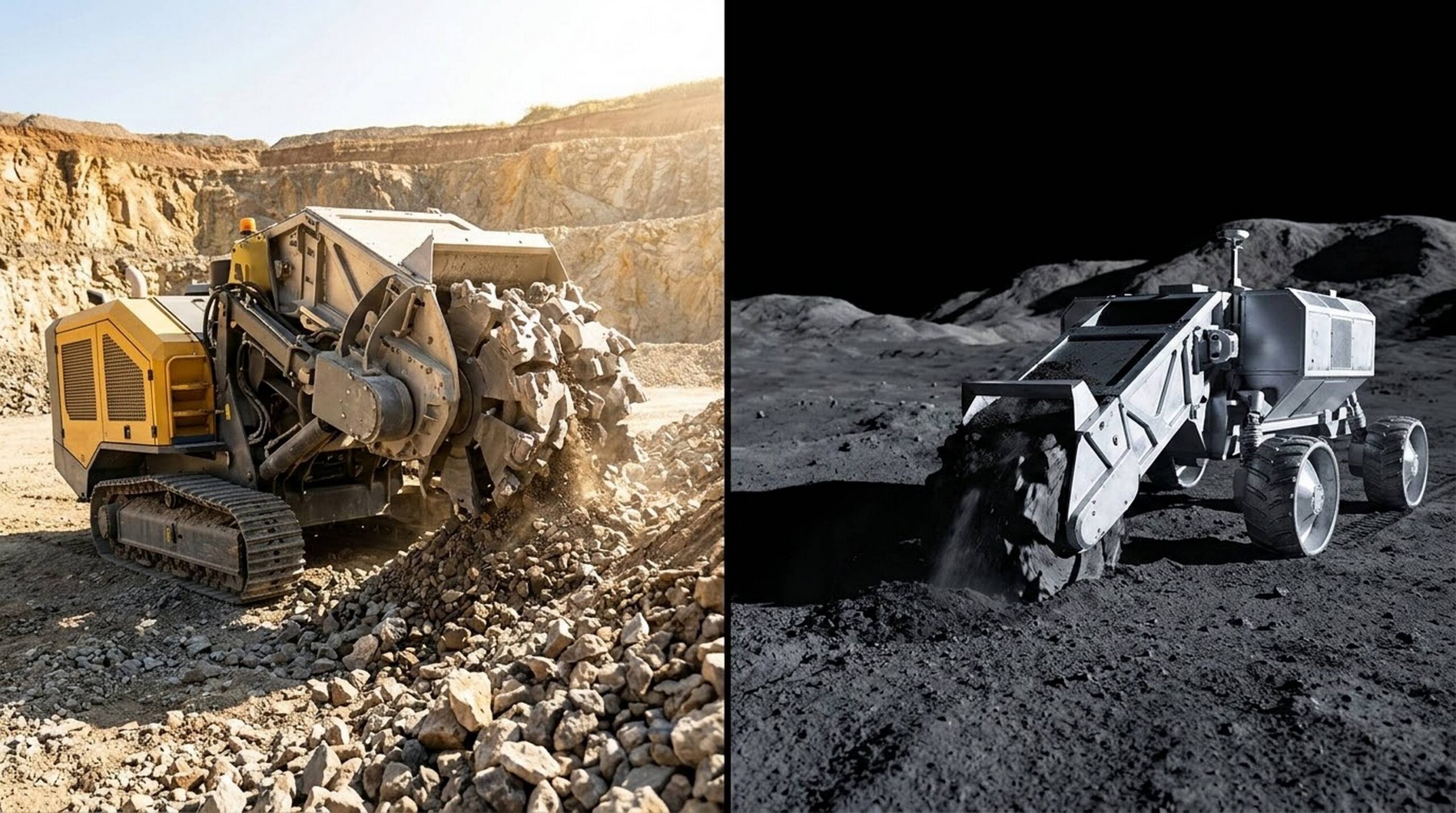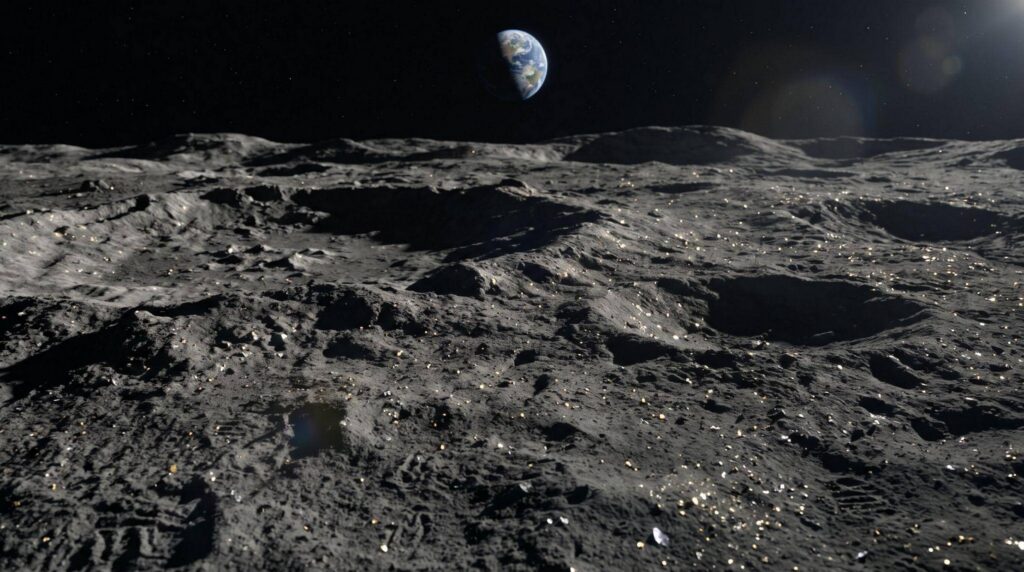
Even Torres Orbital Mining (TOM), the Houston-based outfit whose sealed, dust-free excavators are designed to dig the Moon without kicking up the very particulate that wrecks seals, optics, and bearings, still has to test on Earth with simulated artificial regolith.
By the Resource Erectors Research Team
That caption is certainly not a knock on TOM. Their Non-Ejective Intake Bit and dual-stage sealed systems are precisely the kind of practical hardware that makes lunar excavation thinkable. Their NASA SBIR Phase I work is happening in vacuum chambers packed with abrasive simulants. The European Space Resources Innovation Centre (ESRIC) is providing additional validation facilities.
Meanwhile, their A-Series “Abaster” platforms already generate real-world Earth cash flow from quarries and stranded industrial deposits so the T-Series “Tochtli” lunar versions can be fully developed. As their corporate leadership puts it: miners first, space company second.
As we explored in Resource Erectors’ initial spotlight on their dual-use engineering model, Earth Machines Fund Moon Machines: Torres Orbital Mining, this hybrid commercial strategy bridges the deep capital chasm separating heavy civil excavation from off-world infrastructure.
Yet an inescapable reality governs the emerging space resources sector: almost no one on Earth gets to work with the real thing. Which begs the question:
How Much is Genuine Lunar Regolith Worth on Earth?
If you’re thinking “Worth its weight in gold”, you’re underestimating.
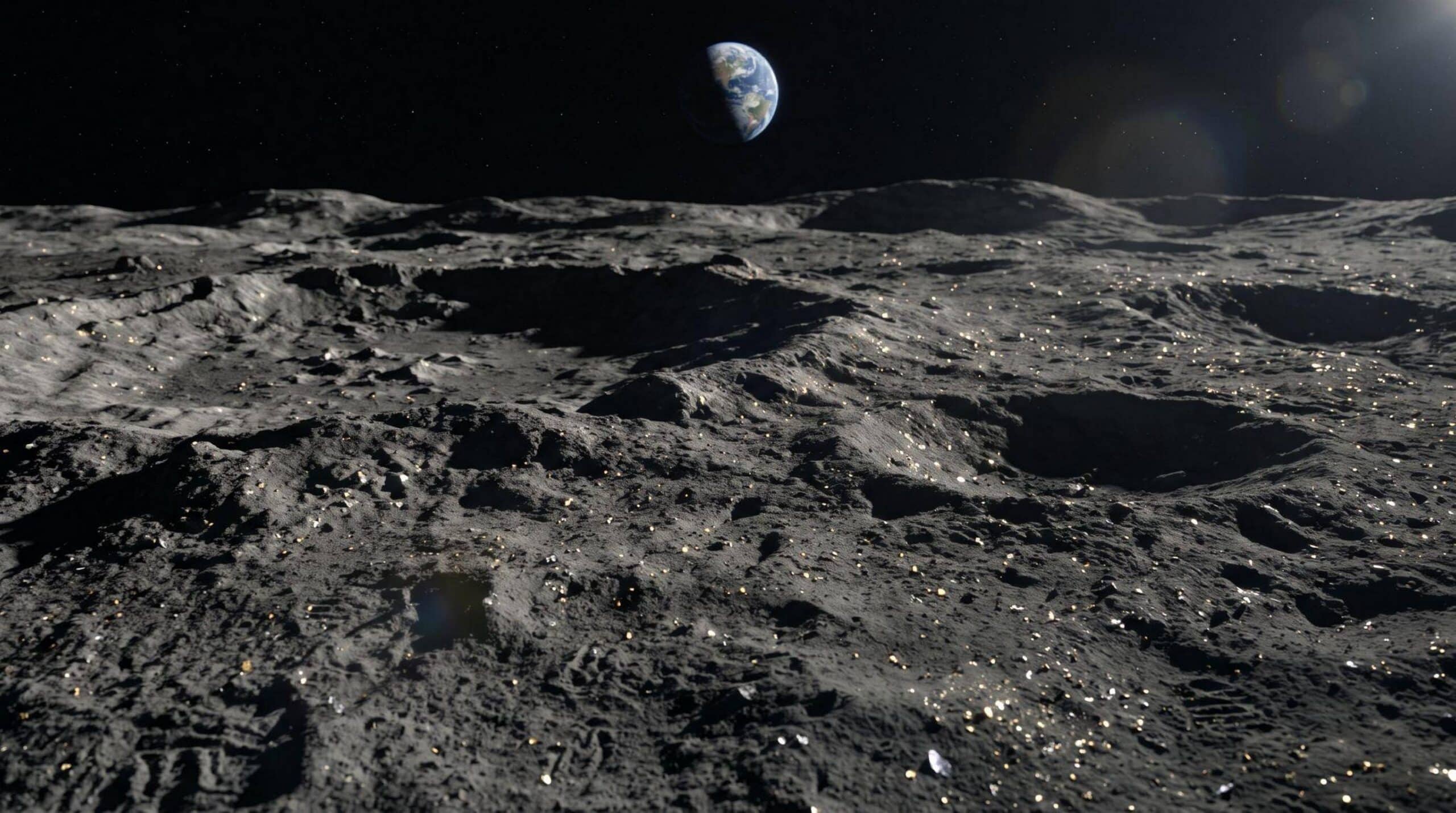
The Apollo program returned roughly 382 kilograms of lunar rocks, core samples, pebbles, and fine dust. The robotic Soviet Luna missions brought back a few hundred grams. China’s modern Chang’e-5 and farside Chang’e-6 missions added several additional kilograms from previously unsampled volcanic terrain. That constitutes the entire documented inventory of genuine lunar regolith available for scientific study in human history.
Most of this priceless cache remains under institutional lock and key. The vast majority of American Apollo inventory is secured in nitrogen-purged gloveboxes at NASA’s Astromaterials Research and Exploration Science Lunar Sample Laboratory Facility in Houston. NASA loans milligrams to a few grams at a time to vetted, peer-reviewed researchers.
Chinese lunar samples are allocated under equally stringent governmental quotas. When a UK researcher recently secured an allocation of 60 milligrams of Chang’e-5 fine particulate for geochemical analysis, it was described without exaggeration as vastly more precious than gold dust.
The rare fragments of genuine lunar material that have touched the open market demonstrate this valuation bluntly. In 2018, three Soviet returned microscopic Luna-16 soil fragments totaling roughly 0.2 grams crossed the block at a Sotheby’s Space Exploration Auction, hammering down for $855,000. That transaction established an effective price of roughly $4.3 million per gram. Stray contingency dust particles salvaged from Apollo 11 gear have commanded hundreds of thousands of dollars at public bidding.
Lunar meteorites, while chemically authentic, lack landing-site geological context and trade for tens to hundreds of dollars per gram. When federal prosecutors had to establish a restitution valuation for stolen Apollo research material during criminal court proceedings, the appraisal ran into tens of thousands of dollars per gram before adjusting for modern inflation.
If you divide the total capitalized cost of the Apollo program by the returned payload mass, the effective acquisition cost per gram runs well into the hundreds of thousands of dollars.
These auction prices are not commercial commodity metrics. They reflect capital-market pricing for absolute scarcity combined with indisputable geological provenance.
Real lunar regolith carries physical characteristics that no terrestrial aggregate or laboratory substitute can duplicate:
- Solar-Wind Implanted Volatiles: Unshielded by a planetary magnetic field or atmosphere, genuine lunar dust is embedded with hydrogen, carbon, nitrogen, and helium isotopes delivered directly by solar radiation over billions of years.
- Agglutinates and Impact Glasses: Continuous micrometeorite impacts melt and fuse mineral fragments together with droplets of native iron, creating jagged, glass-bonded agglutinates that behave unpredictably under shear stress.
- Hyper-Abrasive Morphology: Without atmospheric weathering or water erosion to soften sharp edges, raw regolith particles remain razor-sharp, jagged shards of volcanic basalt, anorthosite, and silicate glass that rapidly slice through mechanical seals, pit high-strength alloys, and contaminate lubricant reservoirs.
Researchers require this authentic material for high-precision geochemistry, space-weathering analyses, in-situ resource utilization (ISRU) reaction kinetics, and advanced metallurgy.
Scientific demand on Earth is insatiable, but physical supply remains static.
Synthetic Regolith For Destructive Testing
Because authentic samples cannot be sacrificed for destructive testing, equipment manufacturers developing extraction hardware, including pioneer lunar miners like TOM, must rely on high-fidelity synthetic simulants. Specialized formulations such as LHS-1 (Lunar Highlands Simulant) and LMS-1 (Lunar Mare Simulant) approximate the particle size distribution, bulk density, shear strength, and abrasiveness of lunar soil.
These industrial simulants cost tens to low hundreds of dollars per kilogram in developmental batches and can be procured by the metric ton. They are indispensable for calibrating hydraulic loads, validating vacuum wear tolerances, and testing mechanical intake geometries.
They are also not the Moon. Simulants lack the native sub-micron iron beads, complex agglutinate structures, and ultra-high-vacuum surface adhesion that make genuine regolith an engineering nightmare.
The structural divide between simulant testing and true lunar dirt is precisely where the scientific value premium resides. Every new kilogram recovered from a documented lunar latitude expands the global calibration baseline for orbital spectroscopy, verifies oxygen-reduction furnace chemistry, and informs long-term wear metrics for autonomous machinery.
As international agencies and commercial lunar landers expand surface operations, returned scientific volume will climb gradually, with early payloads prioritized exclusively for laboratory investigation rather than bulk commercial feedstock.
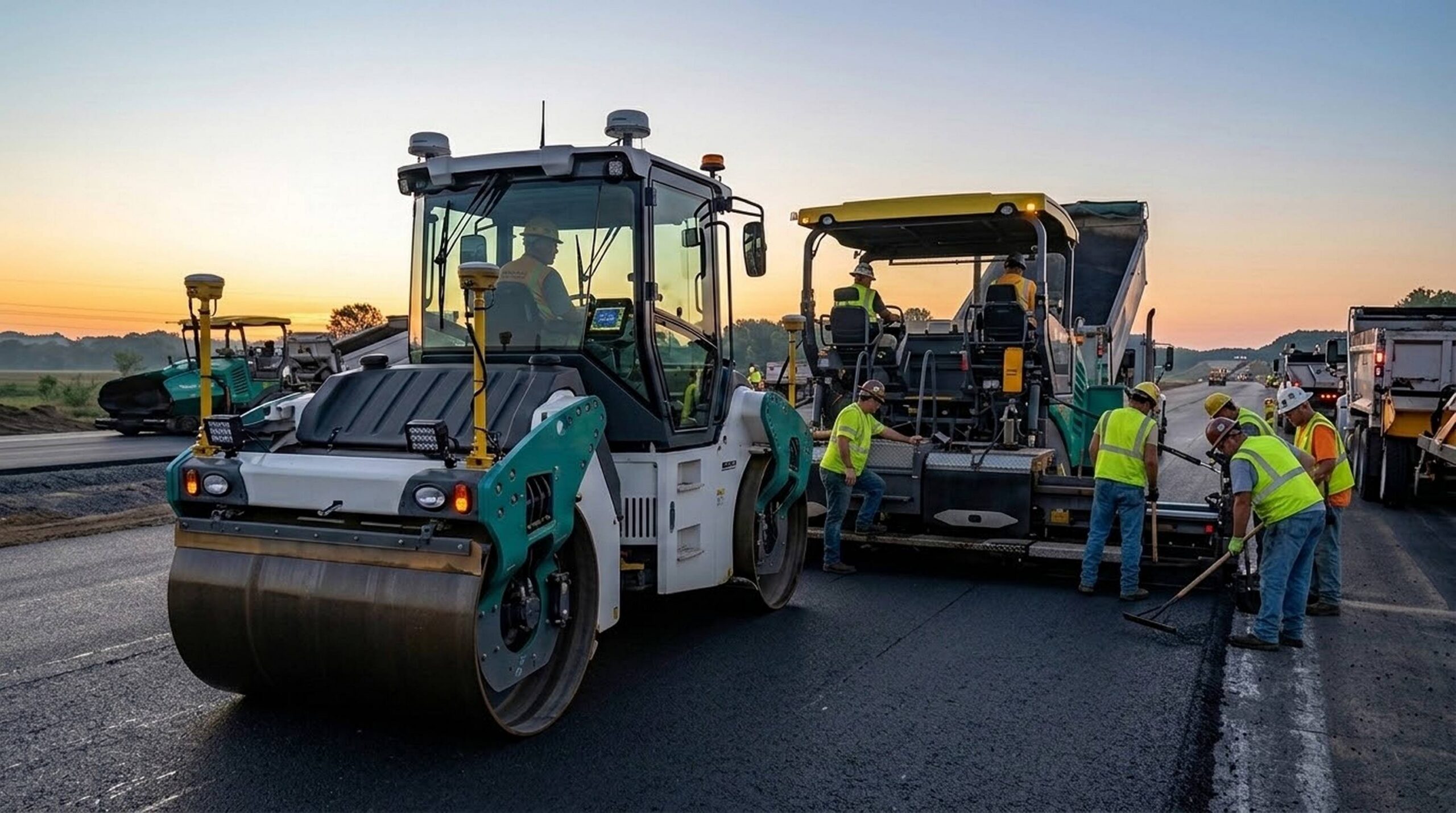
Torres Orbital Mining’s commercial roadmap highlights the pragmatic route for modern mining innovators. By deploying its sealed, continuous-feed drilling and excavation systems to solve immediate operational headaches in terrestrial aggregates, capture fines, eliminate dust plumes, and process hard rock without venting airborne silica, TOM validates mechanical reliability in punishing commercial environments while generating baseline operating cash flow.
Earth profits and terrestrial simulant testing underwrite the development of vacuum-rated flight hardware. When those T-Series systems eventually touch down on lunar soil, the pristine, site-documented cores they extract will answer the exact scientific demand that currently values individual grains at seven figures per gram.
Regolith Paydirt: The Most Valuable Substance by Mass
Until heavy sample-return logistics become ordinary industrial operations, genuine lunar regolith will remain the most valuable bulk substance on Earth by mass. Equipment builders must keep proving their systems against the toughest terrestrial analogs available. That engineering bottleneck isn’t permanent; it’s just the current price of admission to the lunar hills.
Go for the Human Resource Gold With Resource Erectors
Whether your operation is deploying next-generation extraction technology in terrestrial quarries, upgrading automated aggregate plants, or engineering the high-reliability bulk material handling systems that keep North American infrastructure moving, operational success comes down to elite talent. Heavy industry moves fast, and leaving critical executive, engineering, or operations seats vacant drains project momentum and operational margins.
Resource Erectors connects premier producers across mining, aggregates, civil construction, concrete, and industrial minerals with top-tier professionals who deliver results.
- Partner with our specialized recruiters to build an exceptional operational roster through our comprehensive client recruitment services.
- Discover industry-leading career openings across North America by visiting the official Resource Erectors job board.
- Advance your career confidentially and position yourself on CEO Dan Duszynski’s executive short list for premier positions that never hit public boards when you submit your resume for general consideration.
- Ready to solve your company’s most demanding operational talent challenges? Reach out directly through our contact page today.