By the Resource Erectors Team
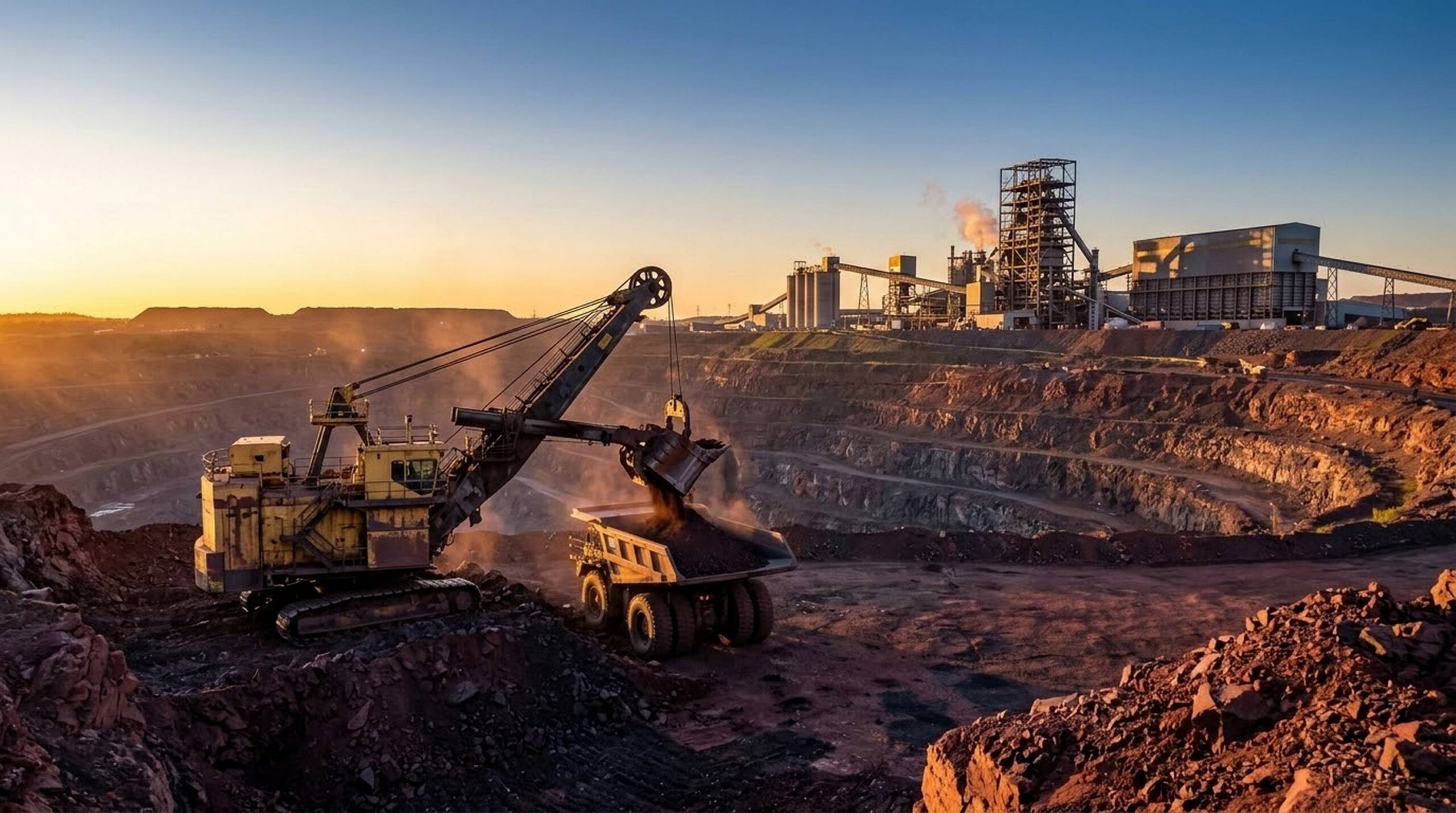
The arrival of summer marks the absolute peak of the North American civil construction, paving, and aggregate production season. Across the continent, multi-ton equipment fleets are deployed at maximum capacity to meet demanding project deadlines before the winter freeze returns.
However, this high-velocity operational window brings a severe physical challenge: extreme thermal stress. When ambient temperatures soar, the margin for mechanical and operational error shrinks to zero.
Maintaining peak efficiency during the summer rush requires a shift from reactive maintenance to aggressive thermal management. For aggregate plant managers, quarry superintendents, and fleet logistics directors, beating the heat is not just a matter of crew comfort. It is a baseline requirement for asset preservation and capital efficiency.
In an industry where a single day of unexpected downtime on a primary crusher or a paving fleet can cost tens of thousands of dollars, mastering summer logistics is a critical operational discipline.
The Thermodynamics of Heavy Equipment Protection
Modern heavy machinery, from hydraulic excavators to haul trucks and aggregate screeners, operates under extreme internal pressures and temperatures even in ideal conditions. When external temperatures exceed ninety degrees, the equipment’s cooling systems must work twice as hard to dissipate reject heat.
The primary point of failure during the summer rush is rarely a catastrophic mechanical break. Instead, it is the gradual degradation of vital fluids due to thermal exhaustion.
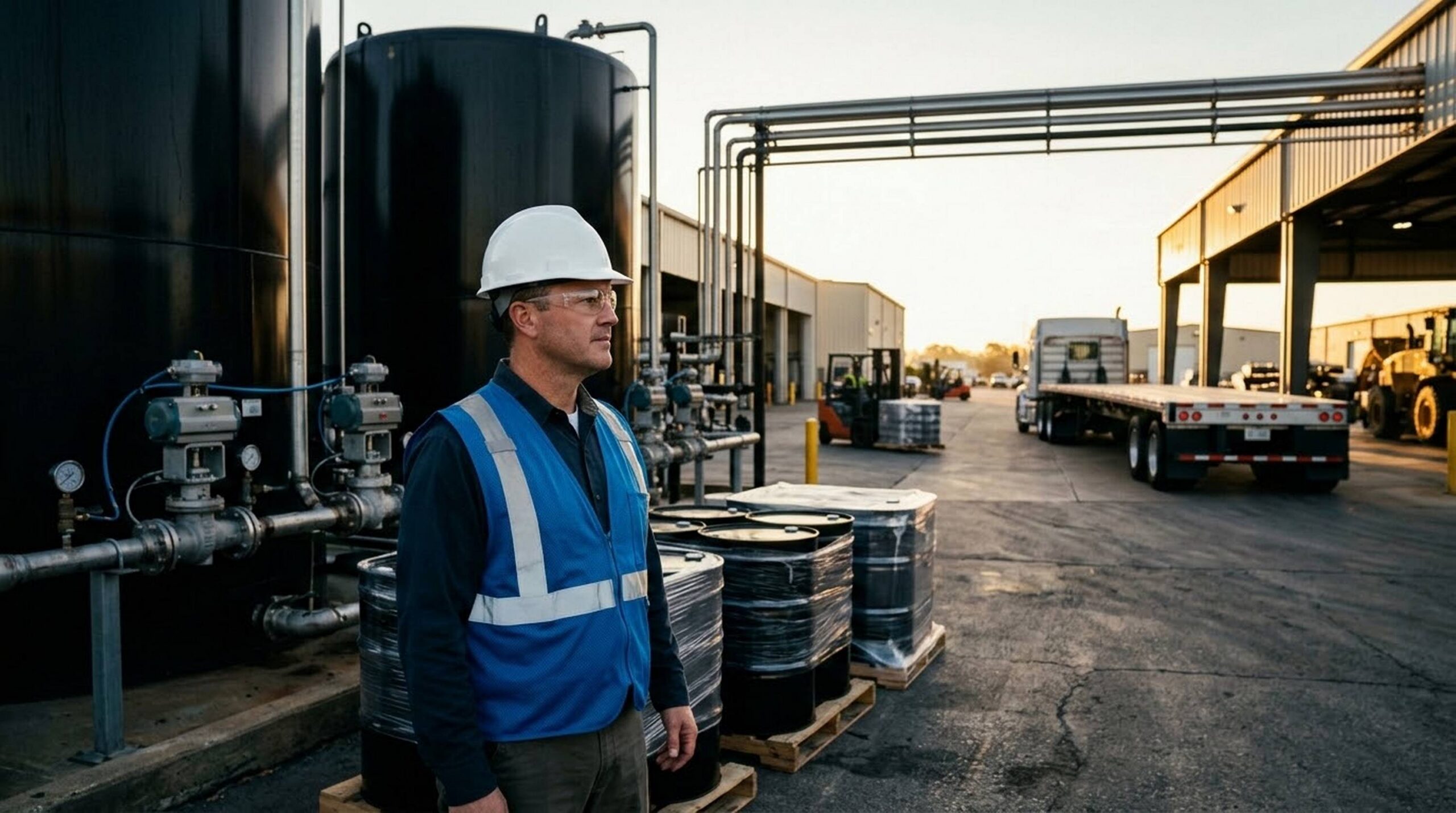
Hydraulic systems are particularly vulnerable to high ambient temperatures. As hydraulic oil overheats, its viscosity drops significantly, reducing its ability to lubricate moving parts and maintain system pressure.
This leads to internal component wear and a noticeable drop in equipment cycle times. To combat this, fleet managers must implement rigorous fluid-testing schedules, ensuring that lubricants are matched to the asset’s specific operating thermal zone.
Furthermore, keeping cooling packages, radiators, and hydraulic coolers entirely clear of aggregate dust and airborne debris is a daily operational mandate. A fraction of an inch of stone dust buildup on a cooling grid can insulate the system, triggering automatic engine derates or total thermal shutdowns.
Optimizing the Aggregate Supply Chain Under Severe Heat
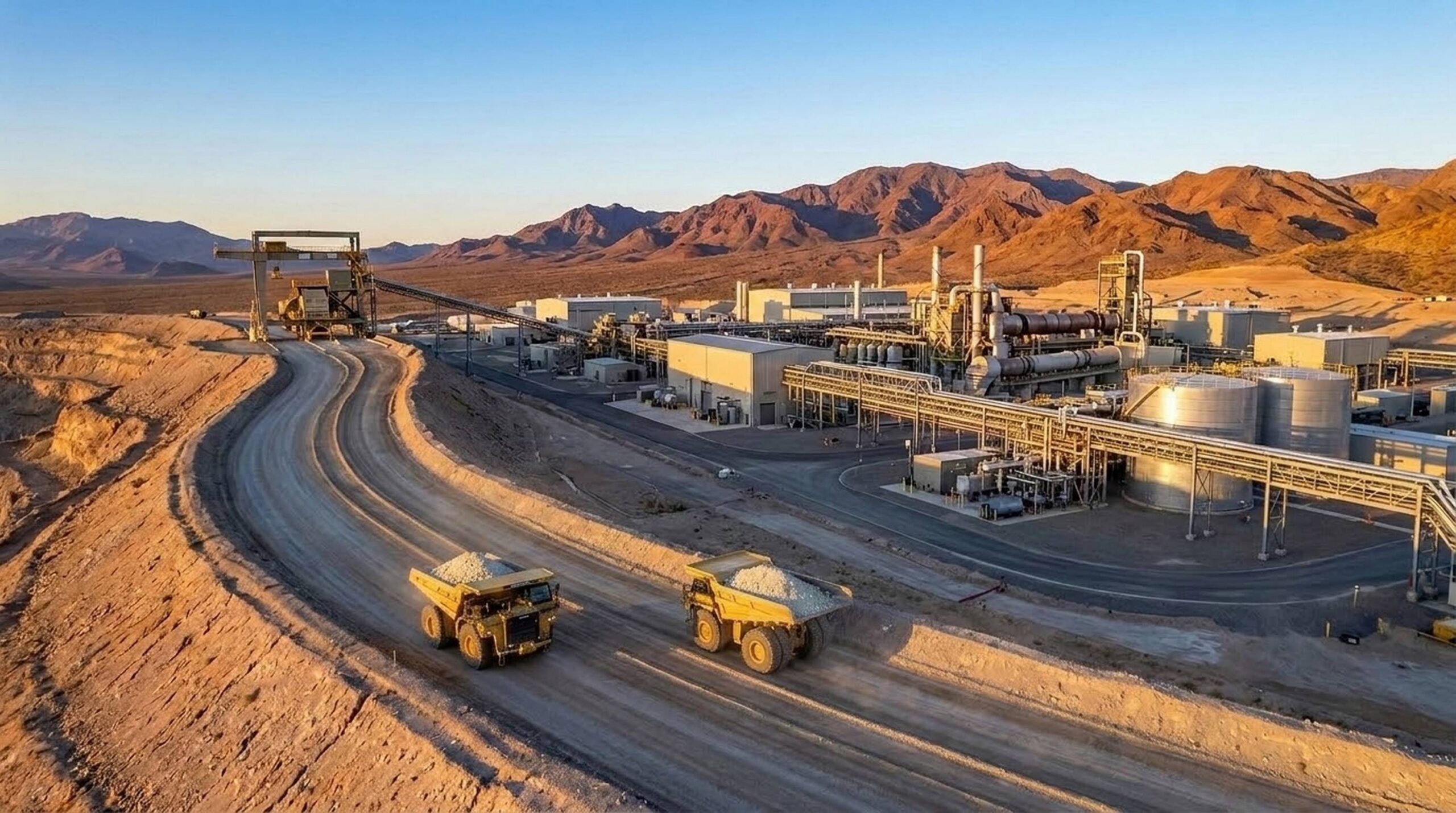
Aggregate processing plants face unique logistical hurdles when summer production reaches peak capacity. Conveyor systems, crushing chambers, and sorting screens operate continuously, generating immense friction. Managing this friction requires a sophisticated understanding of material behavior under high thermal loads.
One of the most critical points of intersection during the summer rush is the relationship between aggregate moisture control and subsequent material manufacturing. For example, during hot-weather operations, the moisture content of fine and coarse aggregates must be monitored with extreme precision to prevent premature water loss in concrete production.
This careful environmental monitoring is a core element of modern AI concrete production optimization, where advanced batching plants utilize machine learning algorithms to adjust mix designs in real time based on the exact temperature and moisture profiles of the incoming aggregate stock. Without this precise logistical control, the concrete produced can suffer from flash setting or reduced long-term structural integrity.
Dust Mitigation and Thermal Management Infrastructure
The summer heat inevitably brings dry, dusty conditions to quarries and civil job sites. Beyond the obvious health and safety hazards for personnel, excessive dust acts as an abrasive agent that destroys seals, chokes engine air intake systems, and accelerates mechanical wear.
Implementing an aggressive dust mitigation strategy is essential for maintaining fleet velocity.
Modern operations are increasingly treating water as a critical industrial asset rather than a simple utility. Deploying high-efficiency water trucks and automated site suppression networks requires a robust local infrastructure.
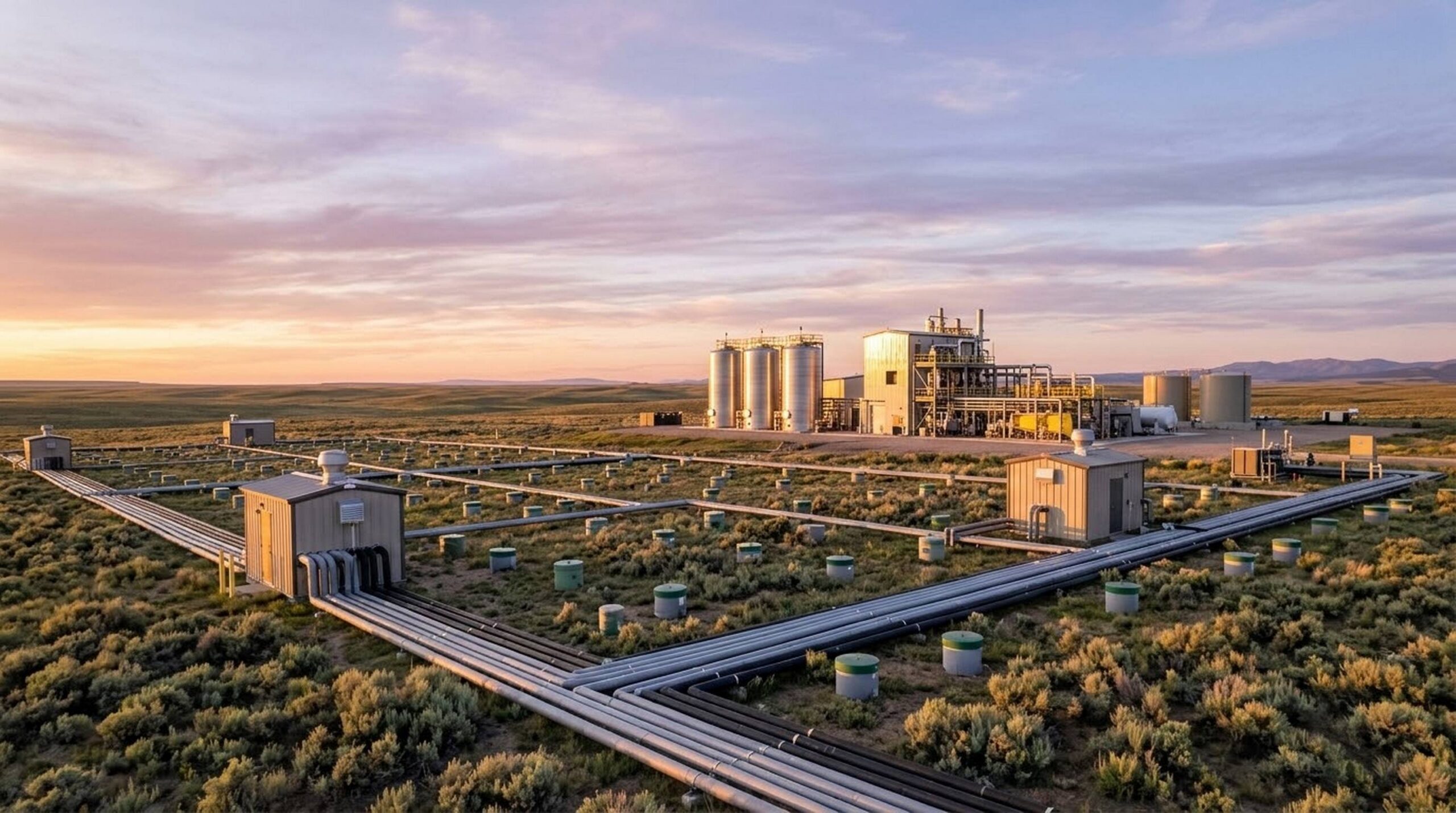
The strategic reliance on water resources highlights the growing industry demand for industrial water management engineering, as operations must design closed-loop recycling and storage systems capable of supplying thousands of gallons of water for dust control and equipment cooling without depleting local municipal aquifers.
Managing the water-energy nexus effectively during peak summer production ensures that operations preserve their social license to operate while maintaining uninterrupted fleet logistics.
Scheduling and Crew Logistics: The Human Element
While mechanical assets require intense thermal management, the human element of the fleet is the ultimate driver of summer efficiency. Heavy equipment operators, mechanics, and site superintendents are subject to the same thermal stresses as the machinery they command.
Heat exhaustion and dehydration drastically reduce cognitive performance, leading to operational errors, slower cycle times, and an increased risk of workplace accidents.
To maintain peak velocity without sacrificing safety, forward-thinking logistics managers are restructuring shift schedules to leverage cooler parts of the day.
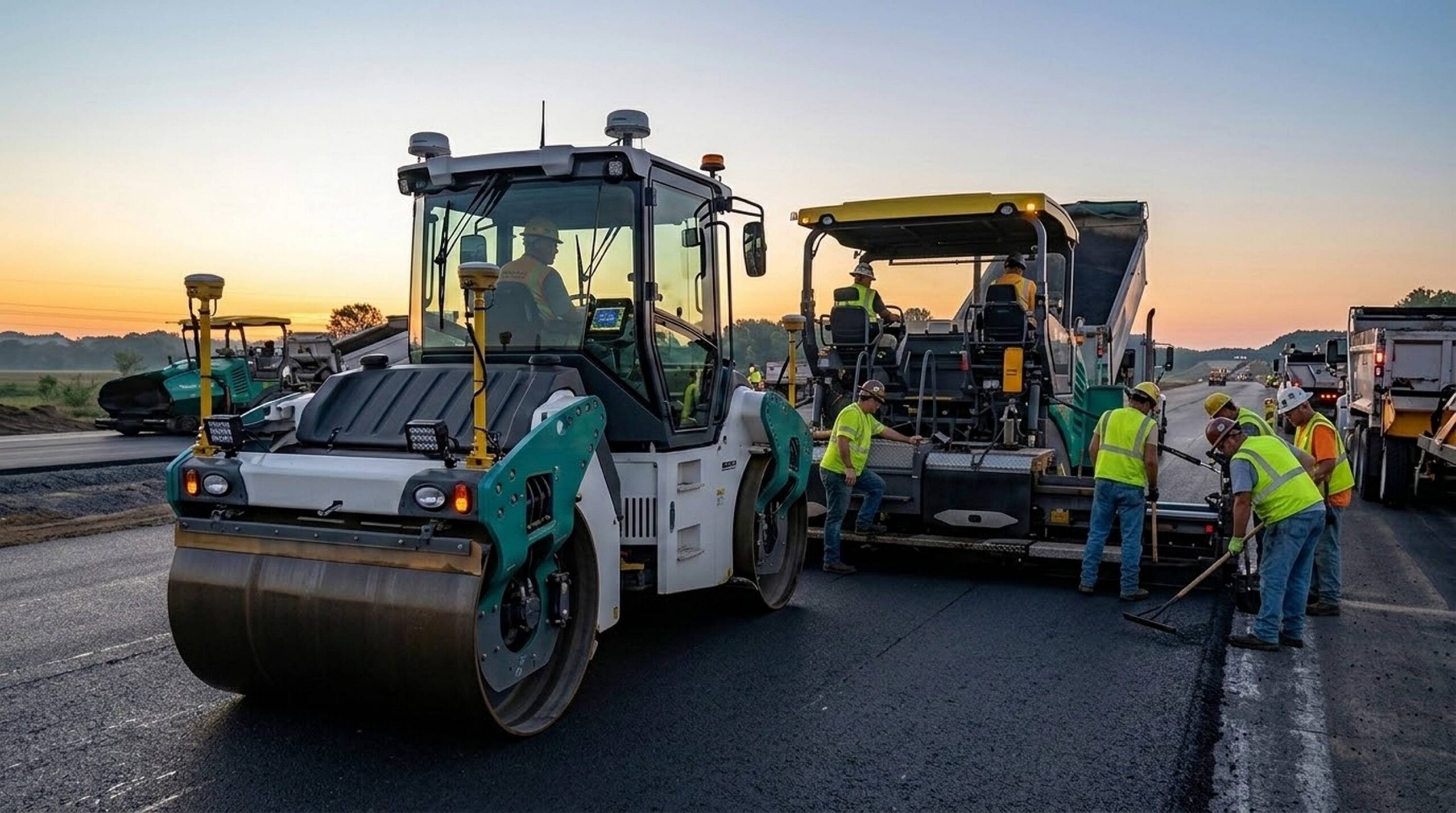
Shifting primary paving operations to night shifts or starting aggregate extraction at first light allows crews to maximize production before peak solar radiation hits. Additionally, establishing mandatory hydration zones, implementing structured cooling breaks, and training supervisors to recognize the early signs of heat stress are non-negotiable operational protocols.
A safe, well-hydrated crew is inherently more efficient, maintaining a steady production rhythm throughout the toughest summer stretches.
Conclusion: Engineering Resilience into the Summer Surge
The summer rush is the ultimate test of an industrial organization’s operational grit. Successfully navigating this high-velocity period requires a comprehensive strategy that treats thermal management, mechanical maintenance, and human logistics as a unified system.
By ensuring that cooling packages remain clear, fluids are monitored, water infrastructure is optimized, and crews are protected, heavy equipment fleets can smash production targets despite the rising mercury.
Efficiency in heavy industry is never an accident. It is the direct result of rigorous planning, technological integration, and disciplined execution. As the summer production window continues to demand maximum output from the aggregates and civil construction sectors, the operations that master the thermodynamics of their fleets will lead the market in both safety and profitability.
Submit Your Resume to Resource Erectors for Confidential Consideration
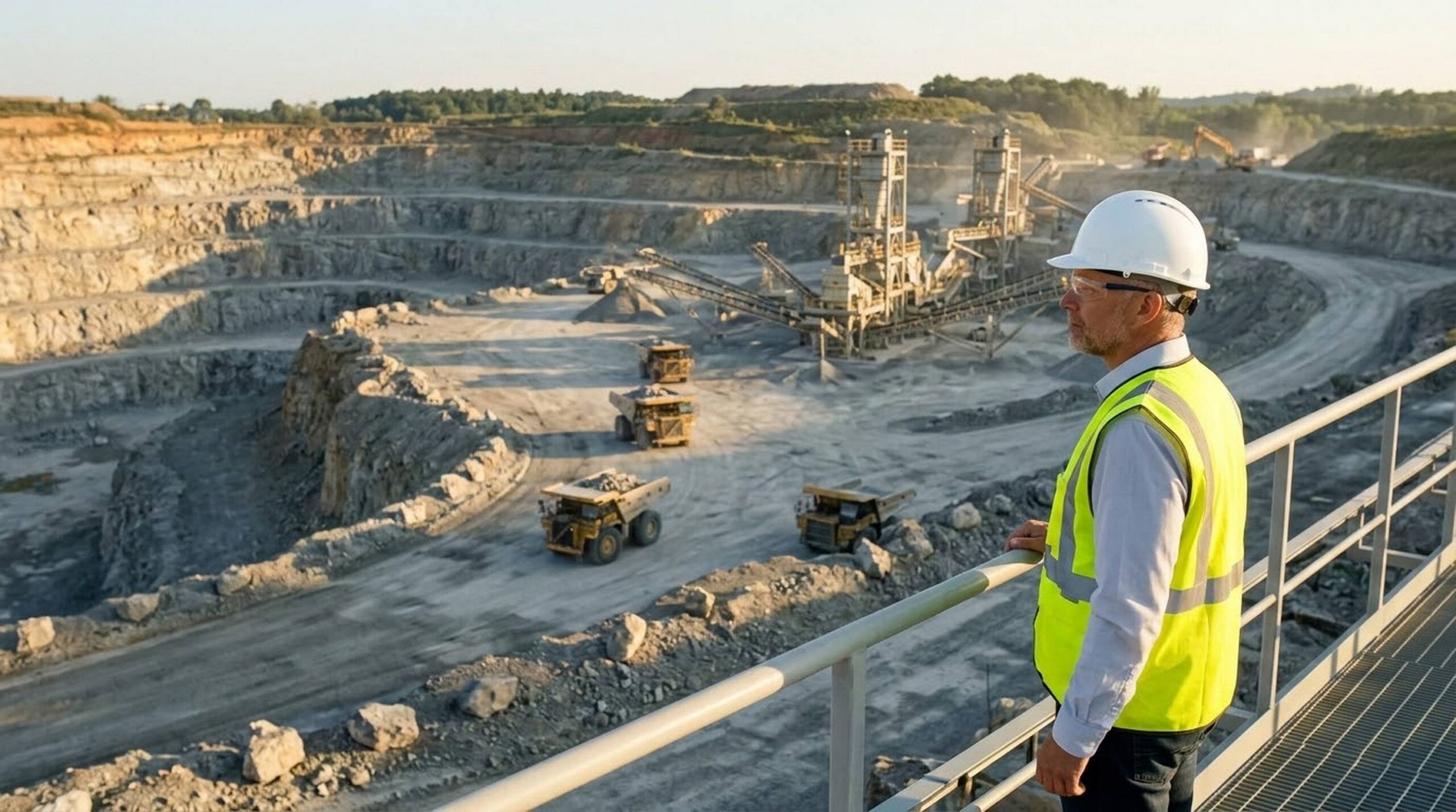
The intense operational demands of the peak summer paving and aggregate season underscore the critical need for elite managers, logistics directors, and maintenance superintendents who can keep heavy fleets moving under extreme conditions. In these high-stakes heavy industries, the most impactful leadership and engineering roles are rarely posted on public job boards.
Forward-thinking organizations trust Resource Erectors to source top-tier professionals through exclusive, unadvertised channels. By submitting your resume for general consideration, you place your credentials directly in front of companies initiating exclusive Resource Erectors confidential hiring opportunities.
This proactive availability ensures you are among the first considered for premium positions that align with your operational grit and technical expertise. Register your profile today to access the industry’s most exclusive career advancements while maintaining absolute professional privacy.
Time to Call Resource Erectors
At Resource Erectors, we connect top-tier companies with elite talent in the heavy civil construction, aggregates, mining, and energy sectors. Managing heavy equipment fleets through peak seasonal rushes requires a distinct caliber of operational leadership and technical expertise.
- If you need to fill crucial positions in fleet maintenance, quarry management, or logistics oversight during the peak production season, browse our industry-leading recruitment services. Over 85% of Resource Erectors’ placed professionals are still contributing to their companies’ success 5 years later and counting. Don’t let the High Cost of Vacancies in your operations eat away at your bottom line.
- If you are a professional seeking to manage your long-term success in the heavy materials, mining, aggregates, or civil infrastructure fields, explore our available careers and open Resource Erectors job opportunities.
- To discuss your company’s specific needs or start your career journey in this fast-paced industrial landscape, visit our contact page today.