By the Resource Erectors Team
Water is the most essential resource on the planet, serving as the lifeblood for both human populations and the global industrial machine. While energy often dominates the headlines, water is the silent partner in every major industrial process, from cooling power plants to extracting fossil fuels.
As we navigate the complex industrial landscape of 2026, water management has moved from a secondary utility concern to a primary engineering challenge. The ability to manage this finite resource is becoming one of the most sought-after skills in the engineering world.
The tension between industrial demand and population needs is particularly visible in semi-arid regions like the American Southwest. Here, the competition for fresh water has driven a new wave of innovation aimed at creating a circular water economy.
Instead of viewing industrial wastewater as a liability to be disposed of, the modern engineering approach treats it as a raw material for resource recovery.
The Energy-Water Nexus
The relationship between energy and water is often referred to as the energy-water nexus. It takes a massive amount of water to produce energy, and it takes a massive amount of energy to treat and move water. This relationship is at the heart of the energy pivot and fossil fuel resurgence of 2026, in which the expansion of domestic production requires a parallel expansion of water management capabilities.
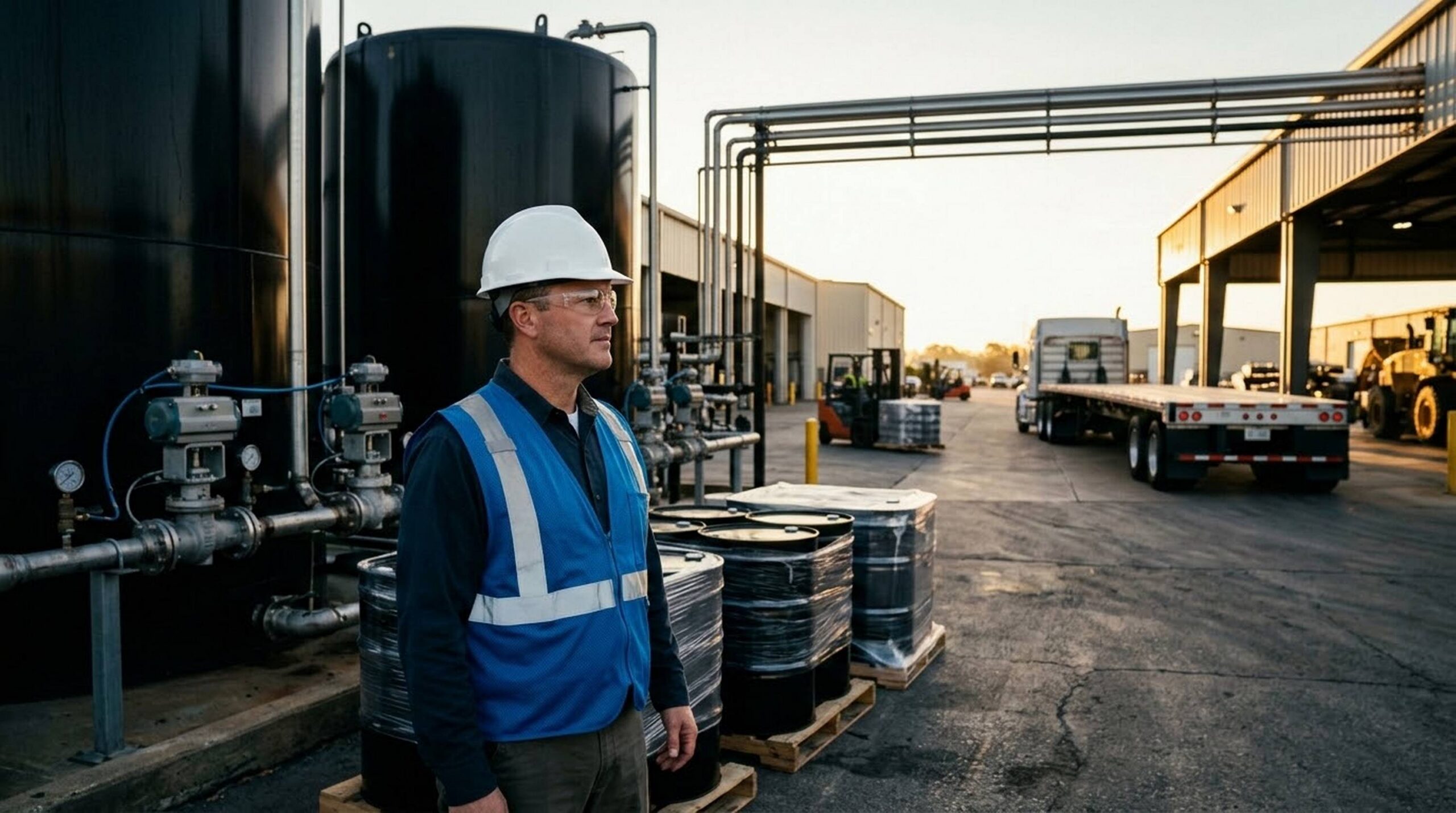
In the oil and gas sector, the primary challenge is produced water. This is the highly saline, mineral-rich water that comes to the surface alongside hydrocarbons during extraction. For every barrel of oil produced, several barrels of produced water typically follow.
Historically, this water was disposed of in deep injection wells. However, as disposal capacity reaches its limits and drought conditions persist, the industry is shifting toward high-tech recycling and reuse.
This shift is a key component of the latest US shale industry technological innovation, in which operators are seeking to minimize their environmental footprint while maximizing resource efficiency.
The SMAR2T Project: A Systems Engineering Approach
One of the most promising initiatives in this field is the Strategic Management and Resource Recovery Transformation (SMAR2T) project at Texas Tech University. Led by Dr. Mahdi Malmali and a multidisciplinary team of engineers, this project is funded by the Department of Energy Office of Fossil Energy and Carbon Management.
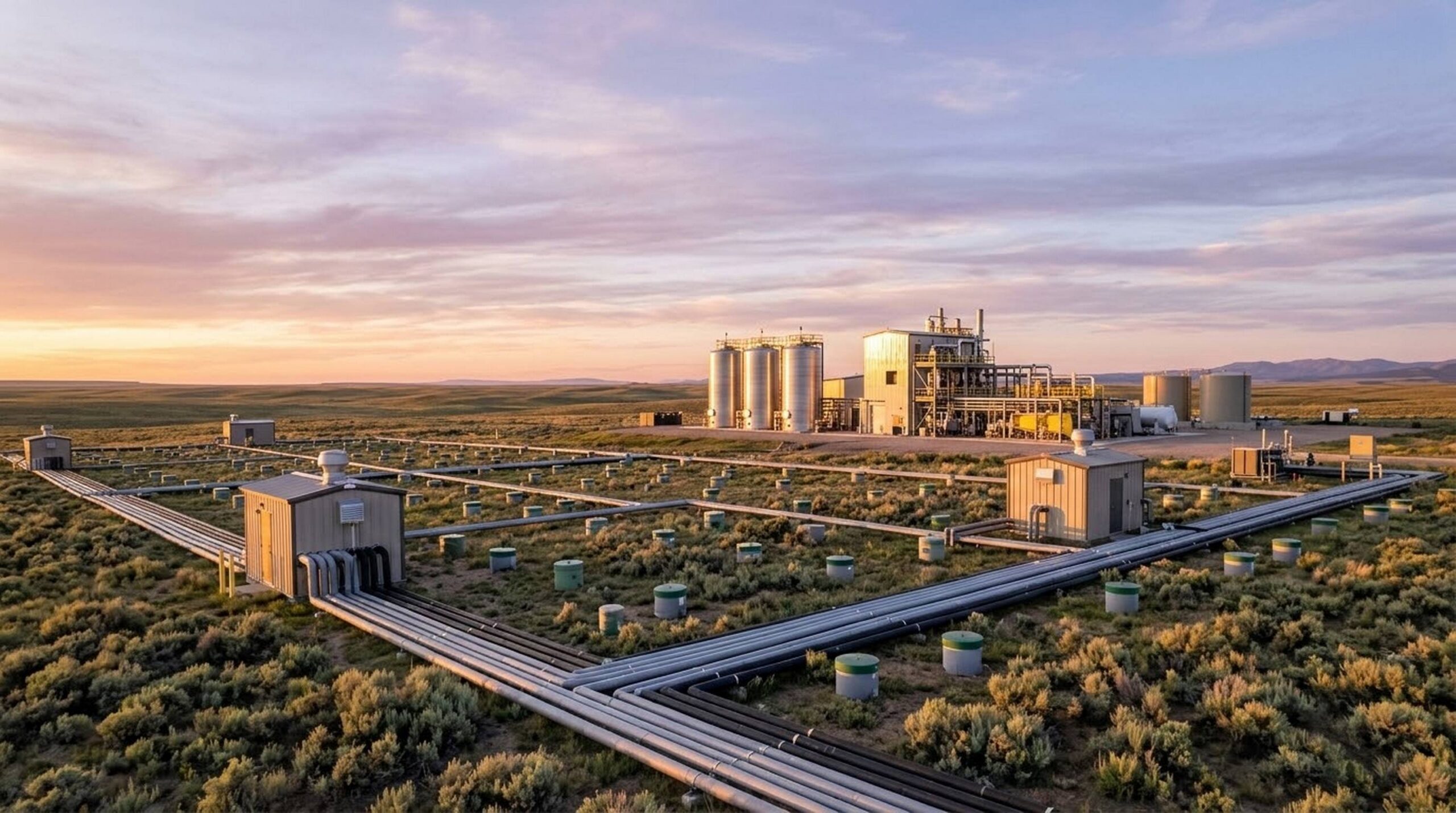
The project focuses on recovering water and elements of interest from produced water using intensified membrane distillation and metal extraction.
The SMAR2T project represents a shift toward a systems engineering approach to water. According to the project’s documentation, the objective is to develop a framework for managing produced water, including the selective recovery of valuable metals.
This is not just about cleaning water. It’s about mining the water for the components of the future.
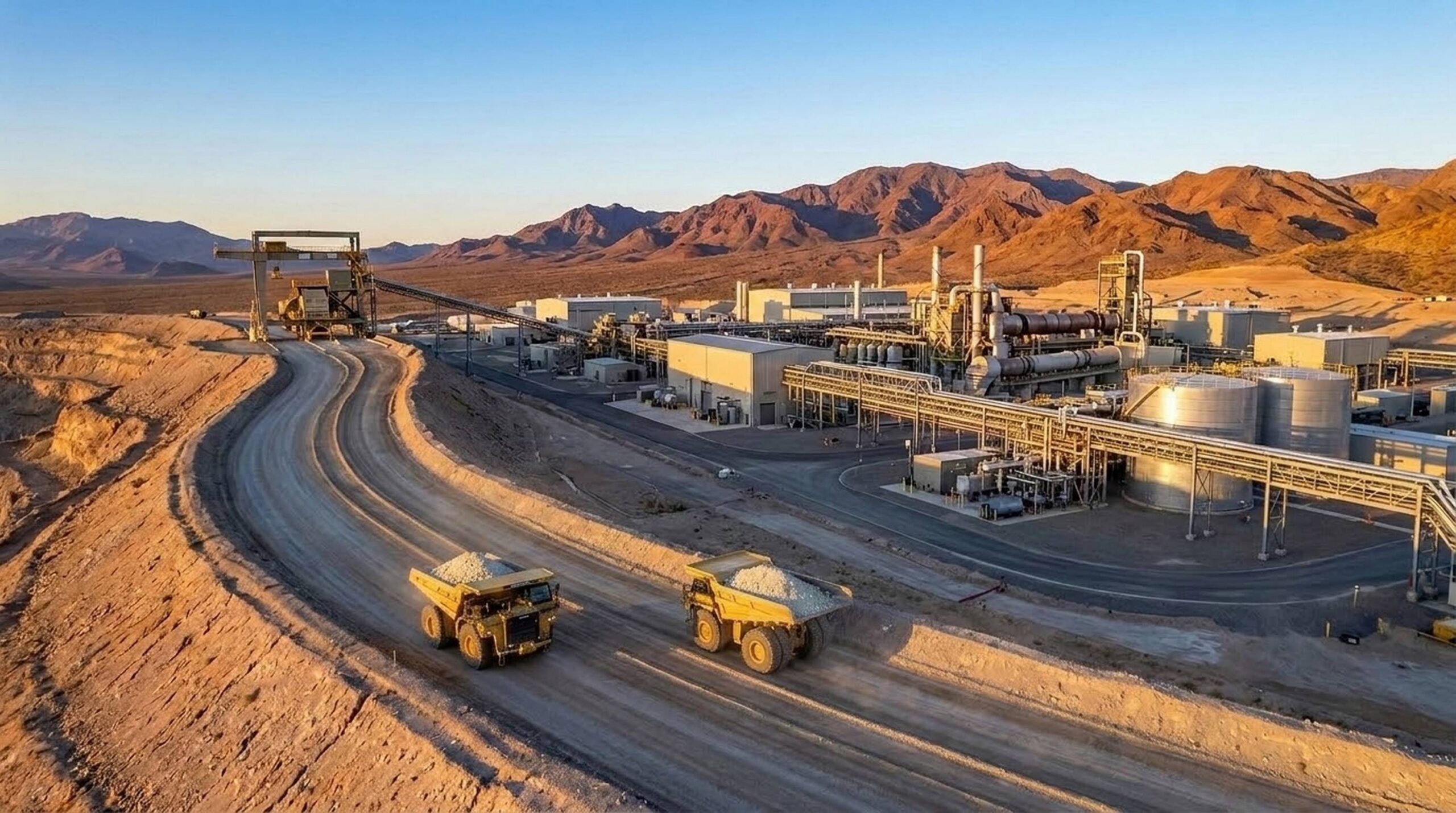
By recovering minerals such as lithium and rare earth elements from the brine, the project aligns with the broader goals of the Tungsten Trench and domestic mineral autonomy. This ensures that the US has a secure supply of materials needed for high-tech manufacturing.
The engineering process involved in SMAR2T is sophisticated. It uses vacuum membrane distillation, integrated with vapor compression, to extract high-purity water from brine. Unlike traditional desalination, which is energy-intensive and produces a difficult-to-manage waste stream, this intensified approach is designed for efficiency and scalability.
The Texas Tech team is also developing staged precipitation methods to selectively extract metals, turning a waste stream into a secondary source of income and material security.
Water Management as a High-Demand Engineering Skill
The complexity of projects like SMAR2T highlights why water management is increasing in demand as an engineering skill. Modern water management requires a blend of chemical engineering, environmental science, and systems optimization.
It is no longer enough to understand how to move water through a pipe. Today’s water engineer must understand the molecular-level mechanisms of filtration, the economics of mineral recovery, and the regulatory landscape for environmental compliance.
This demand is not limited to the oil patch. The massive growth of AI data centers and the expansion of the manufacturing sector have placed an unprecedented load on local water utilities.
Furthermore, the development of carbon capture technologies requires significant water for the cooling and chemical processes involved in stripping CO2 from exhaust streams. As a result, companies across the industrial spectrum are competing for professionals who can design and manage integrated water systems.
Engineering for water in 2026 involves a high degree of digital integration. Engineers are using AI-driven models to predict water demand and optimize the performance of treatment facilities in real time. This technical oversight is essential for ensuring that industrial operations remain resilient in the face of changing climate patterns and stricter regulatory standards.
Workforce Development and Community Impact
The Texas Tech project also emphasizes the importance of workforce development and community involvement. Solving the water crisis requires more than just new hardware. It requires a pipeline of talented professionals who are trained in the latest reclamation technologies. By involving graduate students and researchers in high-stakes DOE projects, universities are preparing the next generation of leaders for the water-energy nexus.
For the population at large, these industrial advancements offer a significant benefit. Every gallon of produced water that is successfully recycled for industrial use is a gallon of fresh water that remains available for municipal and agricultural needs.
In drought-prone regions, this industrial efficiency is a critical component of regional water security. The ability to turn “industrial scars” into strategic assets is a recurring theme in the new industrial era, as companies seek to build a “Sovereign Fortress” of resources, including secure, local water supplies.
Conclusion: The Era of the Water Engineer
Water has officially become a strategic asset. The days of treating water as an infinite, low-cost commodity are over. For industry to thrive and for populations to remain secure, we must master the art of water reclamation and resource recovery.
Projects like the SMAR2T initiative at Texas Tech provide the blueprint for this transformation, proving that with the right engineering grit, we can solve the challenges of scarcity and quality.
At Resource Erectors, we recognize that water management is a cornerstone of the modern industrial economy. We identify the project managers, systems engineers, and environmental specialists who have the technical expertise to navigate these complex waterfronts.
As the demand for water-related skills continues to rise, we are the bridge between the specialized talent and the companies building a sustainable, water-secure future.
Submit Your Resume for Confidential Consideration
In the specialized field of industrial water management, the most critical engineering and leadership roles are often filled through confidential searches before they are ever publicized. By submitting your resume for general consideration, you place yourself in a secure, high-visibility position for these exclusive Resource Erectors confidential hiring opportunities.
This proactive availability is essential for professionals who want access to the most impactful projects in resource recovery and systems engineering. We act as a discreet bridge between top-tier talent and the organizations building the nation’s water and energy infrastructure.
Establishing your candidacy now ensures you are among the first professionals considered for confidential hiring initiatives that align with your expertise in the US heavy industry.
Time to Call Resource Erectors
At Resource Erectors, we connect top-tier companies with elite talent in the civil construction, energy, and mining sectors. As water management becomes a critical engineering priority, the demand for specialized expertise has never been higher.
- If you need to fill crucial positions in water treatment, systems engineering, or environmental management, browse our industry-leading recruitment services.
- If you are a professional seeking to manage your long-term success in the evolving water-energy nexus, explore our available careers and open Resource Erectors job opportunities.
To discuss your company’s specific needs or start your career journey in the vital field of water resource management, visit our contact page today.