By the Resource Erectors Research Team
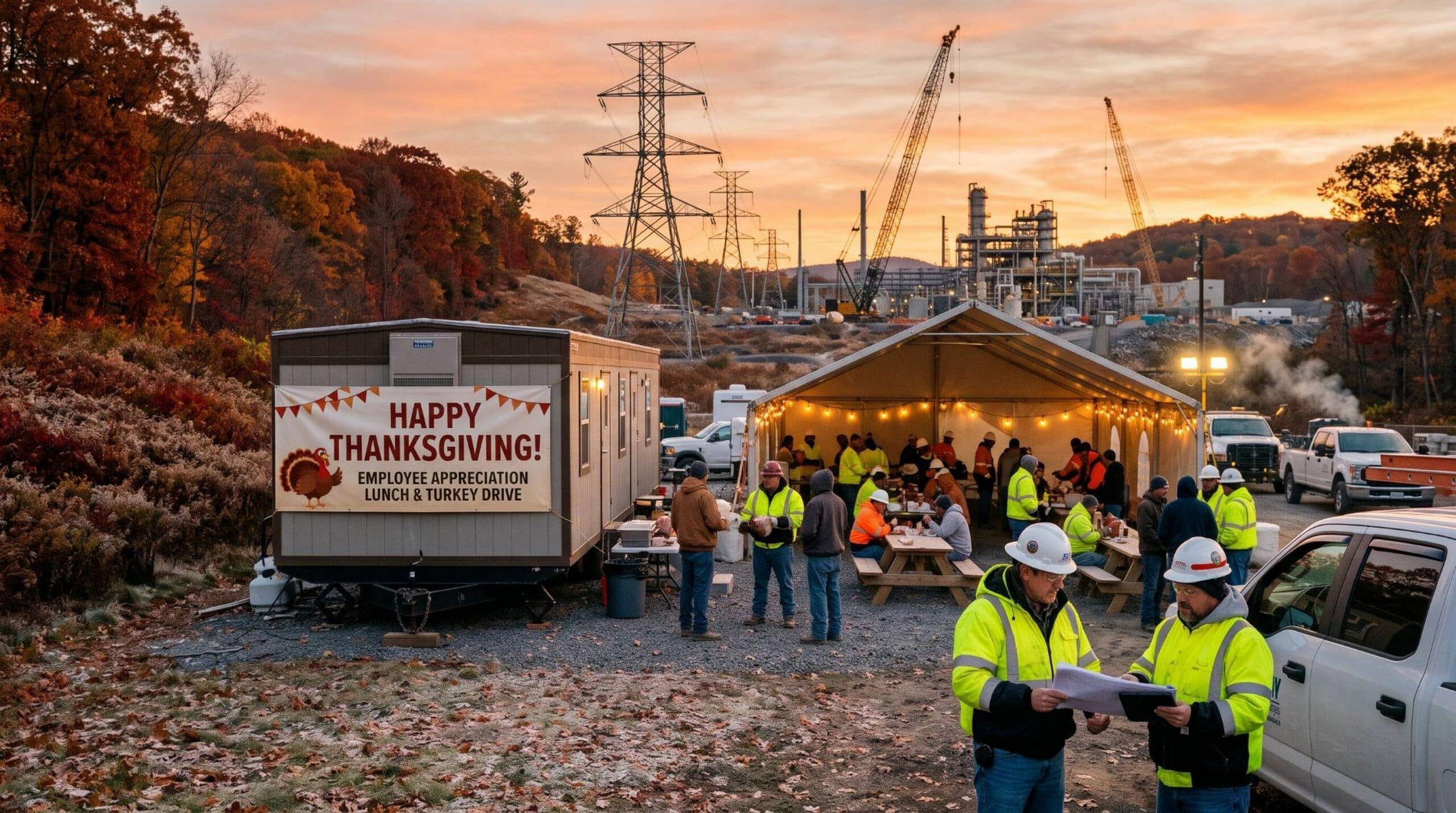
With Thanksgiving arriving this Thursday, November 26, heavy industry leaders across North America have spent the past few years wondering if Washington would ever clear the regulatory logjam holding back domestic energy, mining, and civil infrastructure. For nearly a decade, multi-billion-dollar projects have been trapped in endless environmental review loops, duplicative agency consultations, and years of procedural litigation before a single excavator bucket ever broke ground.
Last Thursday, November 19, 2026, the U.S. Senate finally served up a rare dish of bipartisan momentum. In a decisive 62-33 vote, senators passed the Bipartisan American Affordability and Jobs Act (BAAJA), sending the most sweeping federal permitting overhaul in a generation across the Capitol to the House of Representatives.
Negotiated by Senators Shelley Moore Capito (R-W.Va.), Mike Lee (R-Utah), Sheldon Whitehouse (D-R.I.), and Martin Heinrich (D-N.M.), and backed by President Donald Trump and Senate Majority Leader John Thune, the legislation targets the exact bottlenecks that have driven up capital costs across our sector. As CBS News coverage of the Senate permitting reform vote detailed, fifteen members of the Democratic caucus joined nearly every Republican to push the package across the finish line.
From our vantage point on the front lines of heavy industry recruiting, the real question is straightforward. If the House passes BAAJA during the remainder of the lame-duck session, what does it actually mean for quarry operators, mining executives, civil contractors, and the skilled workforce keeping North America running?
Ending the Endless Loop: Permitting Certainty and Litigation Reform
Anyone who has managed a greenfield quarry expansion, a critical minerals processing plant, or a cross-state pipeline knows that regulatory uncertainty is the ultimate capital killer. Investors and executive boards can budget for steel, concrete, and heavy equipment, but nobody can accurately finance a project when federal approvals drag on for seven to ten years.
According to the Bipartisan Policy Center explainer on BAAJA, the Senate bill attacks permitting gridlock through structural changes to how reviews and court challenges operate:
- Compressed Judicial Review Timelines: BAAJA cuts the statute of limitations for challenging federal project authorizations down to 150 days, aligning National Environmental Policy Act (NEPA) and FAST-41 timelines so approved projects are not ambushed years after breaking ground.
- Single-Panel Appellate Review: Legal challenges to sited infrastructure projects must be filed in the federal circuit where the project is actually located and decided by a single appellate panel, eliminating years of venue shopping and multi-tier district court delays.
- Upfront Comment Accountability: Parties seeking to litigate a project must have raised their specific objections during the standardized 45 to 60 day public comment window, ensuring agencies can resolve legitimate technical concerns during review rather than starting from scratch in court.
- Mine Development Ancillary Certainty: As noted in analysis from the Columbia Center on Global Energy Policy, the legislation includes vital mining provisions that clarify developers’ rights to use adjacent public lands for waste rock disposal, haul roads, and supporting plant infrastructure without triggering redundant federal permit delays.
Equally important for project sponsors, a procedural NEPA defect alone would no longer automatically vacate an existing permit and halt active construction while an agency updates paperwork. For project directors managing multi-hundred-million-dollar schedules, that predictability changes everything.
Powering the Grid and Protecting Industrial Ratepayers
Modern aggregate plants, rotary cement kilns, electric arc steel mills, and automated manufacturing facilities run on massive, uninterrupted electrical loads. As The New York Times reported on the BAAJA Senate passage, U.S. electricity prices have climbed by roughly one-third since 2019, squeezing operating margins across energy-intensive industries.
At the same time, hyperscale artificial intelligence data centers are placing unprecedented demand on regional power grids. BAAJA addresses both sides of that power equation:
- Interregional High-Voltage Transmission: The legislation strengthens Federal Energy Regulatory Commission (FERC) authority to approve critical interstate high-tension transmission lines when state regulators stall, unlocking congested regional grids and connecting new generation capacity to industrial load centers.
- Data Center Cost Protections: Lawmakers included statutory guardrails requiring massive data center developments to pay for their own dedicated grid upgrades, preventing tech giants from offloading transmission expenses onto local manufacturers and residential ratepayers.
- All-of-the-Above Energy Buildout: By expediting approvals for natural gas pipelines, baseload power generation, utility-scale renewables, and battery storage simultaneously, the bill aims to expand total energy supply and stabilize long-term power costs.
The Workforce Multiplier: 105,600 New Industrial Jobs on the Line
For heavy industry companies and technical professionals, faster project approvals translate directly into concrete, steel, and payroll. When transmission corridors, natural gas lines, processing plants, and mining expansions move off the drawing board into active construction, demand for skilled leadership and craft talent surges immediately.
According to a November 2026 economic study by Employ America analyzing BAAJA’s industrial employment impact, enacting the bill could generate up to 105,600 new jobs across American manufacturing, mining, construction, and grid operations. Building out high-voltage transmission lines and power facilities alone would drive tens of thousands of roles in fabricated structural steel, electrical equipment manufacturing, aluminum and copper processing, and civil earthmoving.
Cheaper, more reliable domestic electricity and natural gas also strengthen the competitive footing of energy-intensive sectors like foundries, steel mills, chemical plants, and industrial minerals processors. As we explored in our look at how skilled labor shortages rewrote the Thacker Pass budget, capital approvals are only the starting gun. Winning companies will secure seasoned project managers, mining engineers, electrical superintendents, and plant leaders before the rush hits peak velocity.
The Lame-Duck Hurdle: Can the House Finish the Job?
Before anyone in heavy industry carves the turkey in celebration, BAAJA still faces one final test on Capitol Hill. As The Hill reported following the Senate vote, the bill now heads into a crowded House lame-duck calendar with limited legislative days remaining before January.
Opposition remains vocal. Thirty-one Senate Democrats voted against the bill, joined by environmental organizations and tribal groups who warn in The Guardian’s coverage of the permitting debate that shortening review windows and narrowing legal standing could weaken Clean Water Act enforcement, environmental oversight, and consultation over culturally sensitive sites. Some House Democrats are pushing for amendments or arguing to delay action until the new Congress convenes in January, while House GOP leaders must manage tight floor attendance during the holiday stretch.
Still, with strong bipartisan Senate momentum and explicit White House backing, Speaker Mike Johnson has a rare opportunity to deliver a tangible, pro-growth legislative victory before year-end. For an industry that builds the physical backbone of the American economy, turning permitting reform from a perennial talking point into federal law would be something genuinely worth giving thanks for.
Time to Call Resource Erectors
As we pause this Thanksgiving week to appreciate the hardworking crews, engineers, and operational leaders who keep North America’s plants, quarries, and job sites running around the clock, we remain grateful for the clients and candidates who trust us to build their teams.
Safeguarding modern processing operations, maintaining uninterrupted plant availability, and protecting proprietary industrial processes is ultimately decided by the quality of your operational leadership. Leaving critical executive, plant operations, and process engineering seats open drains organizational resilience and threatens enterprise growth.
- Partner with our specialized recruiters to build an exceptional operational roster through our comprehensive client recruitment services.
- Discover high-impact leadership and technical opportunities on the Resource Erectors job board.
- Advance your career confidentially and position yourself on CEO Dan Duszynski’s executive short list for premier positions that never hit public boards when you submit your resume for general consideration.
- Solve your company’s most demanding operational talent challenges. Reach out directly through our contact page today.