By the Resource Erectors Research Team
For anyone in heavy industry who still believes that autonomous haulage and mine electrification were twenty-year science experiments, the massive halls of the Las Vegas Convention Center permanently shattered that illusion during the quadrennial MINExpo International.
Announced on the show floor on September 25 during the premier equipment gathering, a monumental transaction sent shockwaves across equipment manufacturers and extraction boardrooms worldwide: Fortescue and Liebherr inked a record-shattering $2.8 billion partnership. The deal represents the single largest commercial equipment agreement in the 75-year history of the Liebherr Group.
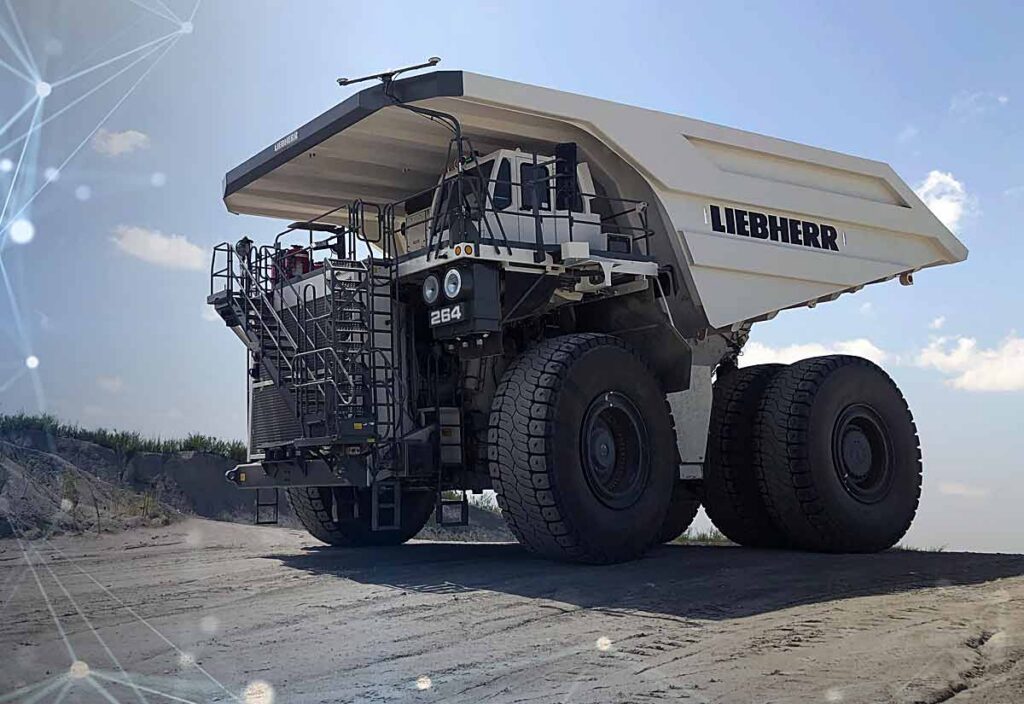
This isn’t a memorandum of understanding or an experimental corporate pilot program. It is an aggressive, industrial-scale deployment of 475 zero-emission machines: 360 autonomous battery-electric T 264 ultra-class haul trucks, 55 electric hydraulic excavators, and 60 battery-powered heavy bulldozers.
At the same time, Caterpillar showcased dynamic energy transfer systems that can power both battery and diesel-electric trucks on active grade. Komatsu unveiled its power-agnostic 930E platform alongside robotic connection devices developed with ABB to fast-charge mobile haulers right in the dirt.
For mine managers, operations directors, and extraction engineers, the ground beneath the industry has officially shifted. The era of evaluating haulage solely on diesel burn and mechanical transmissions has ended.
The mine of tomorrow has arrived, bringing with it a radical transformation in electrical mine design, fleet dispatch robotics, and high-stakes executive recruitment.
The Death of the Diesel-Only Open Pit Mine
For more than half a century, the mechanical recipe for open-pit extraction has stayed largely the same: pack as many thousands of horsepower of twin-turbocharged diesel displacement into a steel frame as possible, load it with 240 to 400 tons of shot rock, and run it up an 8% to 10% ramp.
While diesel haulage built the modern extraction economy, it carries punishing operational liabilities in the current economic landscape:
- Crushing Fuel Expenses: Diesel fuel accounts for 30% to 40% of the entire cash operating cost in large-scale surface mining. With global oil markets subject to persistent geopolitical disruption, running hundreds of diesel burners around the clock leaves profit margins perpetually vulnerable.
- Severe Ventilation and Heat Penalties: In deep open pits and underground block-caving setups, diesel particulate matter (DPM) and radiant engine heat demand massive, energy-intensive ventilation shafts to maintain air quality.
- Mechanical Wear and Maintenance Overhead: High-horsepower internal combustion engines require frequent rebuild intervals, constant oil changes, complex mechanical transmissions, and dedicated field service technicians who are increasingly difficult to recruit.
The Liebherr-Fortescue 360-truck deployment proves that top-tier producers are no longer willing to absorb those diesel costs. By shifting to battery-electric propulsion, operators capture high instantaneous torque, cut mechanical drive components by half, and recover dynamic regenerative-braking energy as massive haulers descend back into the pit empty.
Three Technical Hurdles: Making Megawatt Mining Work
Transitioning an active pit from diesel tankers to megawatt-level electric delivery is not as simple as swapping out an engine block. It represents a ground-up restructuring of civil and electrical mine infrastructure.
Mining engineering teams are currently wrestling with three primary technical fronts:
1. Dynamic Power Transfer and Trolley Assist
A 240-ton battery-electric haul truck climbing out of a pit under full payload consumes massive amounts of energy. If the truck relies solely on onboard chemical battery storage, the battery pack must be enormous, eating into commercial payload capacity.
The industry solution on display across equipment manufacturers is dynamic energy transfer. By installing overhead catenary trolley lines or conductive ground-rail charging channels along primary uphill haul ramps, the truck draws direct grid power to propel itself up the grade while simultaneously trickle-charging its battery pack. When it crests the ramp and levels off, it drops the pantograph and cruises autonomously.
2. Robotic High-Speed Fast Charging
When trucks reach loading benches or primary crusher dump hoppers, every second of idle dwell time degrades operational metrics.
Enter the automated charging robot. Technologies like the ABB and Komatsu robotic automated connection device (ACD) use 3D optical cameras and sensor suites to automatically mate multi-megawatt charging couplers to the truck the moment it halts at a dump pocket. Delivering multiple megawatts of direct current in five-minute bursts ensures continuous hauling operations don’t suffer the extended downtime typical of light-duty electric charging.
3. Edge-Compute Autonomous Haulage Systems (AHS)
Self-driving cars navigating city streets struggle with unpredictable pedestrian traffic, but an open-pit mine is a controlled, geofenced environment with strict rules of engagement. This makes it ideal for complete robotic automation.
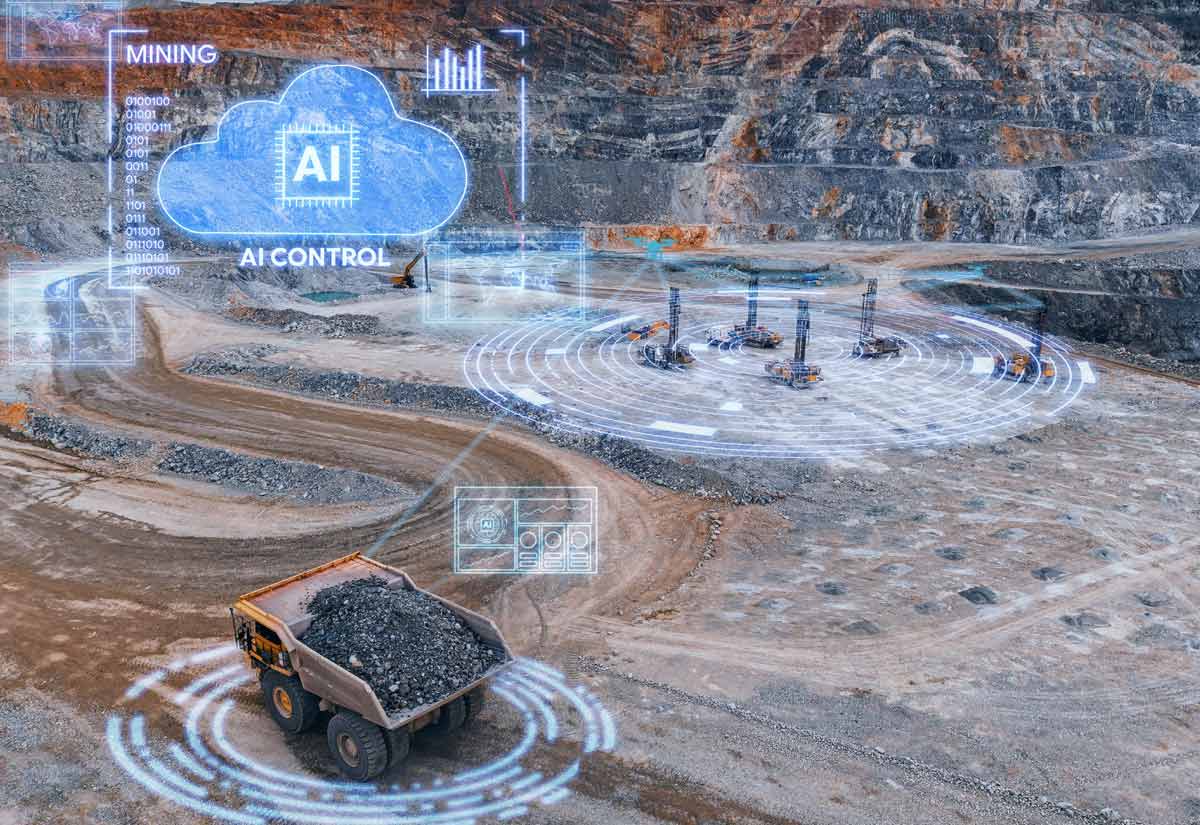
Advanced autonomous haulage systems integrate lidar, GPS telemetry, radar, and vehicle-to-everything (V2X) wireless mesh networks. These systems eliminate human fatigue, eliminate irregular braking patterns, and optimize haul cycles down to the second. When paired with electric drives, autonomous logic extends tire life, minimizes frame stress, and virtually eliminates catastrophic truck-to-truck haul road collisions.
The Human Factor: The High-Voltage Engineering Shortage
While autonomous technology eliminates the need for hundreds of cab drivers bouncing over haul roads on 12-hour shifts, it creates an intense, urgent deficit higher up the corporate ladder.
The autonomous, electric mine does not run itself. It requires a completely different pedigree of engineering and operational leadership:
- High-Voltage Power Engineers: Mines now require dedicated electrical engineering executives who can design utility-scale substations, manage industrial microgrids, balance renewable solar and wind inputs, and coordinate peak-load shedding with regional utility providers.
- Autonomous Fleet Optimization Managers: Running a robotic fleet demands operations directors who can analyze complex digital dispatch algorithms, manage wireless network bandwidth across deep pit benches, and troubleshoot automated traffic bottlenecks.
- Systems-Level Maintenance Leadership: The traditional heavy diesel master mechanic is evolving into a systems engineer. Operations require maintenance superintendents who understand CAN bus networks, PLC programming, high-voltage battery safety, and advanced thermal management circuits.
As we documented in our coverage of surging aggregate, ready-mix, and industrial sand operations across North America, the talent shortage in heavy industry has shifted from the operator seat to the technical and executive command deck.
The mining players and contractors winning the race to 2030 are those proactively recruiting forward-looking engineering leadership that can manage both heavy steel and advanced digital architectures.
The Resource Erectors Takeaway
The multi-billion-dollar wave of autonomous electric iron unleashed across the mining sector demonstrates that heavy industry innovation is accelerating at a staggering pace.
The benefits are undeniable: lower cost per ton hauled, zero tailpipe emissions, extended asset lifespans, and safer working environments.
Yet the capital equipment is only half the formula. Without the specialized mining engineers, electrical infrastructure directors, and operational superintendents who understand how to orchestrate these complex systems, a fleet of multi-million-dollar autonomous haulers will sit idle on the haul road.
As the industry rewrites the operational rulebook, the greatest competitive advantage remains unchanged: securing the elite human talent that turns advanced technology into bottom-line profitability.
Ready to Power Up Your Mining Operations?
Whether your organization is pioneering autonomous haulage, modernizing electrical mine infrastructure, or expanding conventional extraction capacity, Resource Erectors is your premier recruitment partner across heavy industry.
- For Mining Employers: Secure proven Mine Managers, Electrical Project Engineers, and Fleet Operations Directors who understand advanced mining technology. Explore our specialized client recruitment services.
- For Mining Professionals: Step into a high-impact, high-compensation role shaping the future of global mineral extraction. Browse active career opportunities on the Resource Erectors job board.
- Confidential Career Placement: Many of our premier executive, engineering, and plant leadership searches are conducted under strict non-disclosure agreements and never appear on public job boards. To ensure your credentials are considered for these discreet, high-level retained searches, submit your resume for general consideration.
- Connect Confidentially: Contact CEO Dan Duszynski directly to begin a discrete, professional evaluation by visiting our contact page today.