By the Resource Erectors Research Team
International trade diplomacy and heavy mineral extraction collided on the world stage this week as President Donald Trump and Chinese President Xi Jinping finalized a high-impact bilateral trade consensus.
Headlining the diplomatic breakthrough is a binding commodities purchase agreement: China will import at least 20 million metric tons of United States coal, structured as 10 million metric tons in 2027 followed by another 10 million metric tons in 2028.
The commodities commitment is paired with reciprocal tariff arrangements managed through the newly operationalized US-China Board of Trade, clearing the way for favorable tariff treatment covering $30 billion of non-sensitive trade in each direction. While consumer goods, timber, agriculture, and medical equipment benefit from reduced cross-border friction, the energy mandate delivers a clear economic signal.
American coal is back on the global export offensive.
For heavy industry operators, mineral processing executives, and mining engineering leadership, this bilateral accord reshapes the multi-year planning horizon. It transforms export logistics, strengthens domestic mining P&Ls, and creates immediate, high-leverage talent demands across extraction basins nationwide.
Unpacking the 20-Million-Ton Mandate: Thermal Basements and Metallurgical Muscle
To appreciate the scale of a 20-million-ton commitment across 2027 and 2028, one must consider both global power-generation demand and high-spec industrial manufacturing.
China remains the world’s largest coal consumer, relying on solid fuel not only for domestic grid stability but also to power the heavy industrial manufacturing hubs driving its steel, chemical, and metal-casting sectors.
The bilateral purchase agreement taps directly into two core pillars of American extraction:
1. High-Quality Metallurgical (Met) Coal
While thermal coal feeds boilers, metallurgical coal is an indispensable chemical reducing agent in blast furnace basic oxygen steelmaking.
Appalachian metallurgical basins throughout West Virginia, Pennsylvania, and Virginia yield some of the lowest-volatility, highest-fluidity coking coals in the world. As Chinese infrastructure megaprojects and advanced manufacturing corridors demand high-integrity structural steel, securing multi-year access to premier American hard coking coal provides vital blend stock for coastal blast furnaces.
2. High-Calorific Clean Thermal Coal
Even as renewable capacity expands globally, the baseline reality of grid reliability has reasserted itself. With AI data center power draw accelerating and domestic baseload demand climbing, coal-fired generation has been re-emphasized as critical to industrial security.
For western producers operating out of the Powder River Basin and the Illinois Basin, guaranteed off-take contracts heading into Pacific shipping routes provide long-term operational visibility, stabilizing unit production economics through 2028.
Tariffs, Reciprocal Relief, and the 2027 Trade Horizon
The coal purchase commitments do not exist in a geopolitical vacuum. They serve as the commercial anchor for broader trade normalization talks headed into 2027.
Under the framework:
- The $30 Billion Tariff Adjustment: The White House and Beijing have outlined recommendations for reciprocal preferential tariff rates spanning $30 billion of bilateral commerce. By insulating select agricultural commodities, timber, and heavy industrial products from escalatory duty cycles, both nations are establishing a predictable pricing baseline for major commercial contracts.
- Critical Minerals and Supply Chain Working Groups: Alongside the coal commitments, bilateral channels have targeted rare earth elements, critical minerals, and agricultural market access barriers. The linkage is clear: American energy exports are acting as a diplomatic stabilization tool while both powers negotiate raw material supply security for advanced electronics and defense manufacturing.
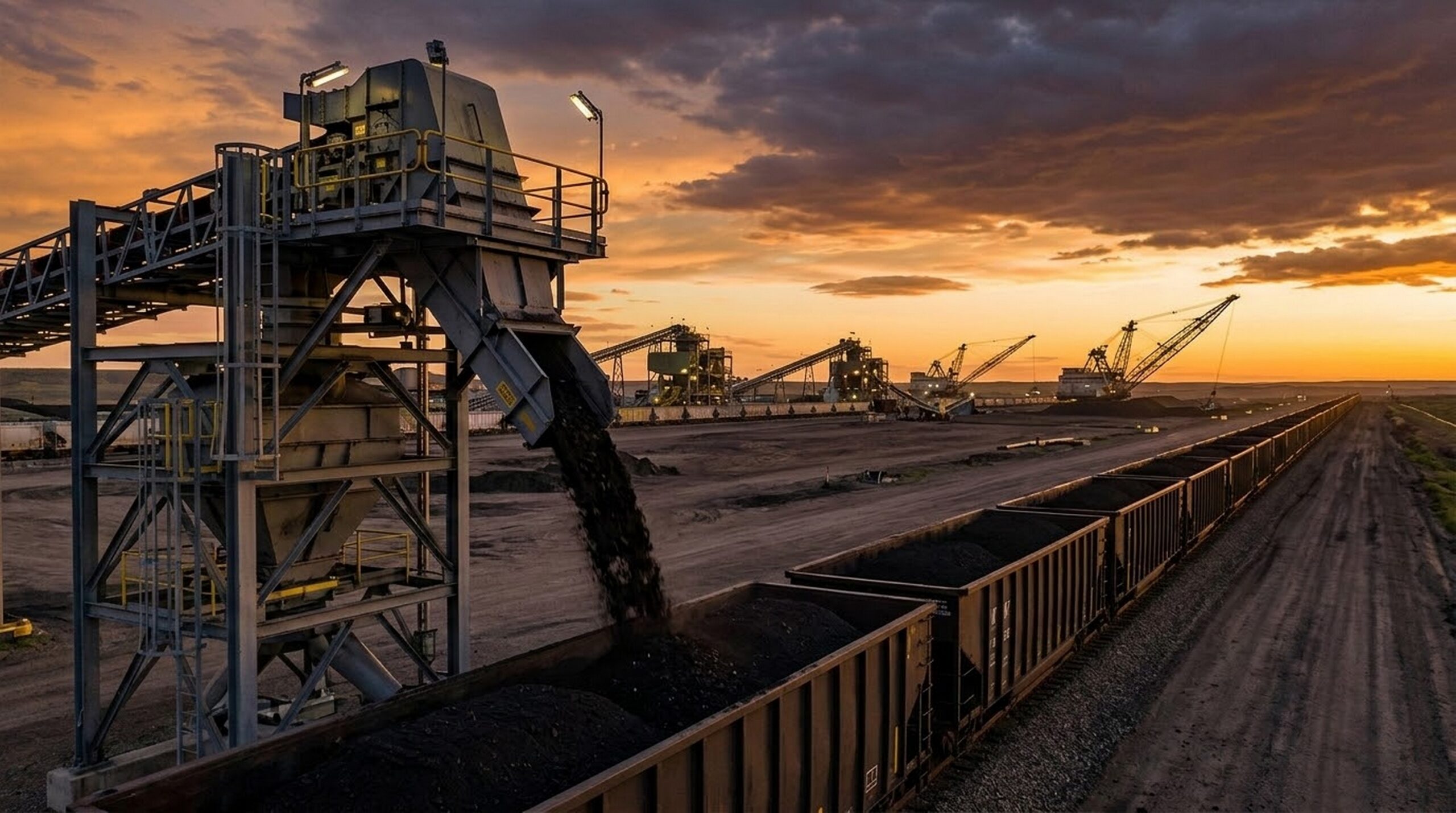
- Logistical Corridor Utilization: Executing on 10 million metric tons per year requires synchronized coordination across North American Class 1 railroads (BNSF, Union Pacific, CSX, Norfolk Southern) and deepwater bulk export terminals along the Gulf Coast and Pacific Northwest.
For coal extraction operations that have spent the past decade navigating fluctuating domestic regulations, this multi-year international commitment establishes a reliable, bankable pricing floor.
The Operational Challenge: Moving 20 Million Tons Requires Execution
Signing an agreement in Washington or Beijing is one thing. Hauling millions of additional tons out of the earth, processing the raw run-of-mine feed, and keeping wash plants running 24/7 is an entirely different operational reality.
To meet export performance targets, mining companies must resolve immediate operational bottlenecks:
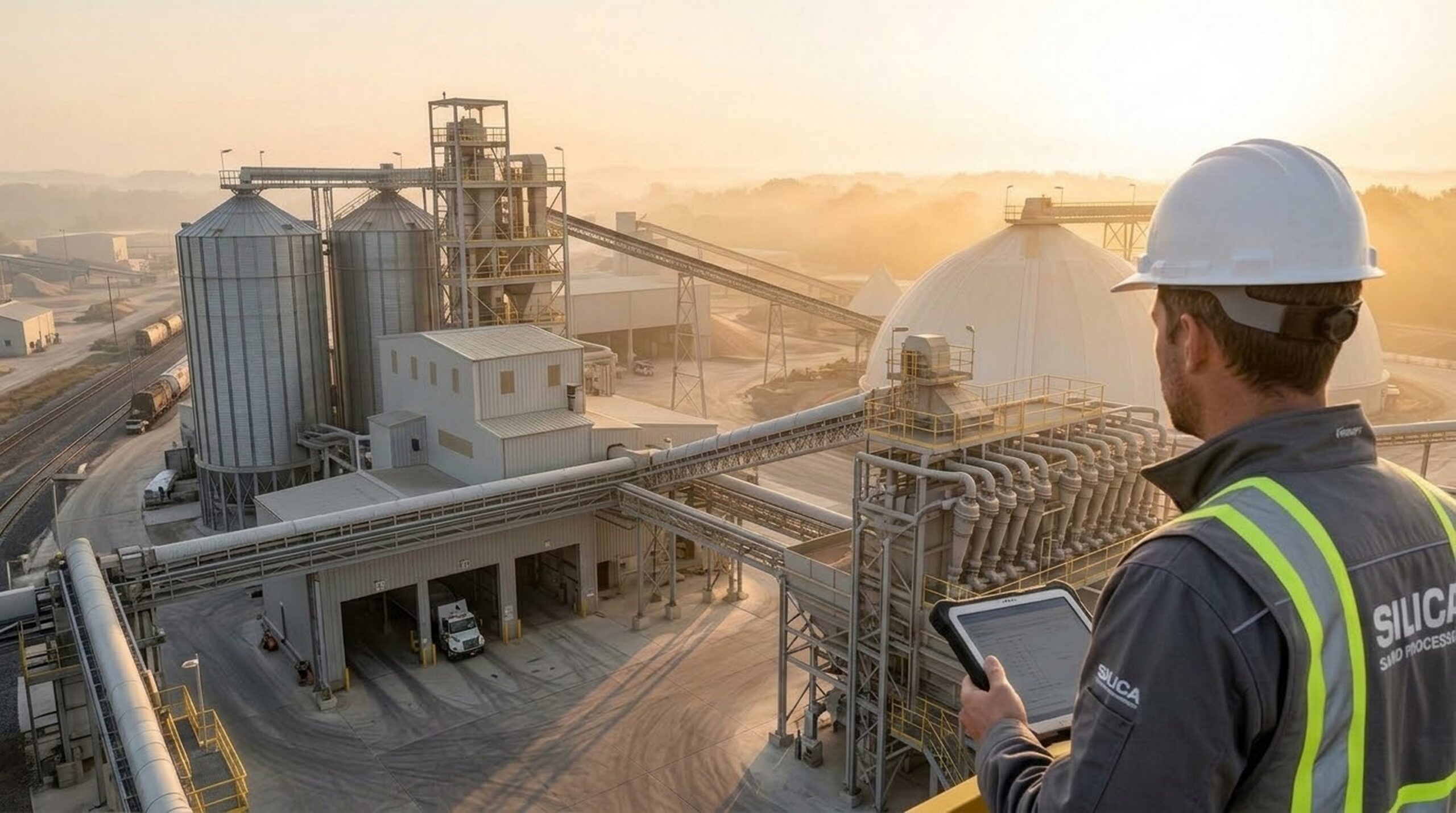
- Prep Plant and Wash Circuit Optimization: Export specifications, particularly for Asian steel mills, carry rigorous limits on moisture, ash content, and sulfur. Preparation plants must fine-tune heavy media cyclones, froth flotation cells, and thermal dryers to maximize clean coal recovery without sending high-value fines to the refuse slurry pond.
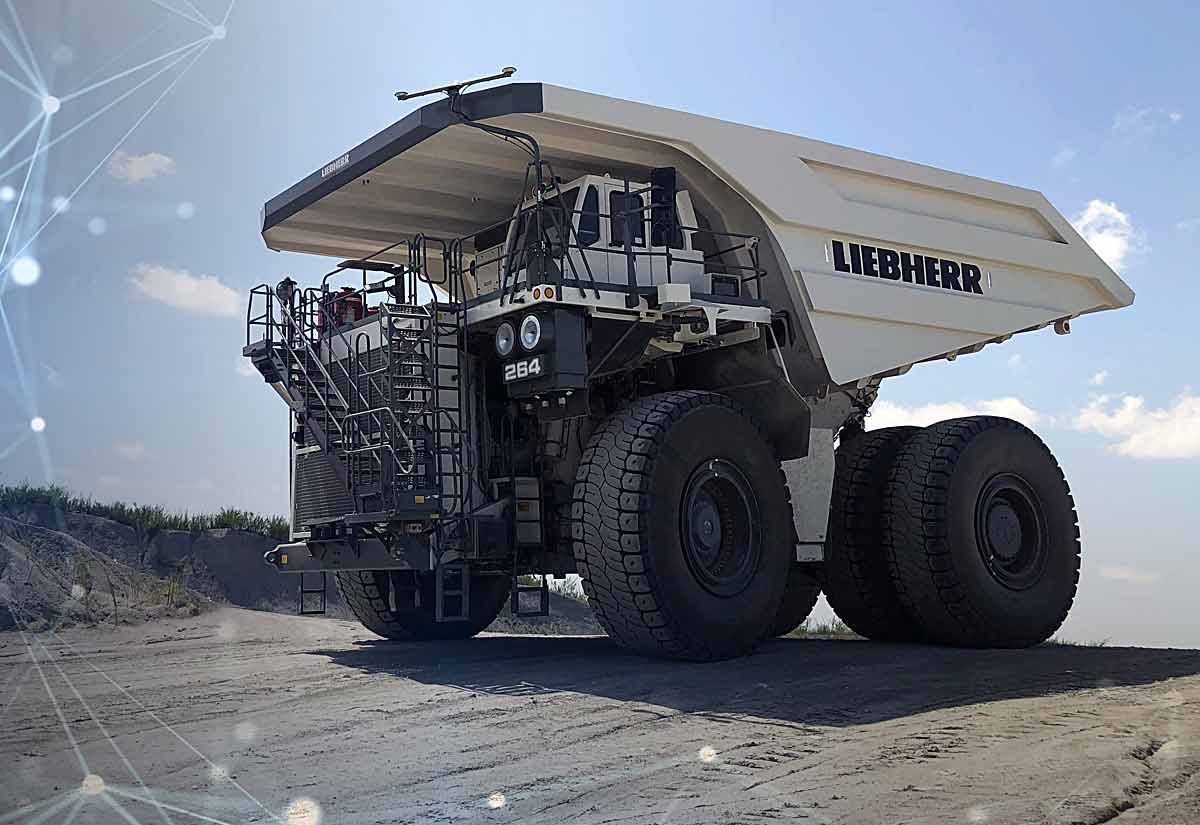
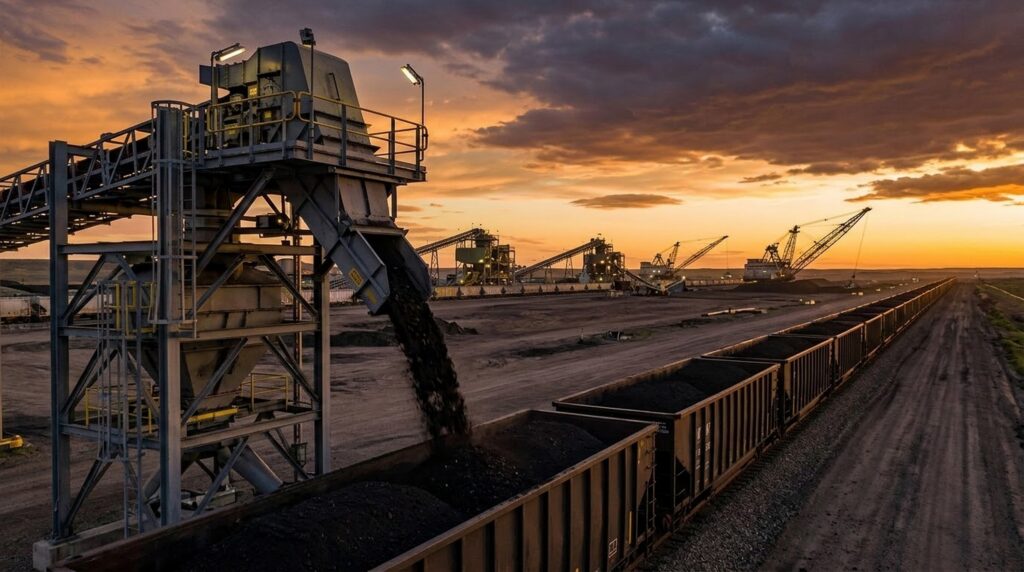
- Bulk Materials Handling and Fleet Reliability: Railhead loading terminals, stacker-reclaimers, and overland conveyor networks will operate under sustained high-tonnage cycles. Operations must prioritize predictive maintenance protocols to prevent catastrophic bearing, gearbox, and belt failures that could halt unit trains.
- The Safety and Environmental Compliance Envelope: Meeting surging production targets can never come at the expense of regulatory diligence. Operators must navigate rigorous MSHA oversight, continuous methane monitoring in underground longwall sections, and water management under NPDES discharge permits for surface strip operations.
High commodity prices and guaranteed export quotas generate balance sheet wealth only if the production machine runs without unscheduled downtime.
The Mining Leadership Scramble: The Real Bottleneck in 2027
As the industry prepares for this 2027 surge, producers face an immediate hurdle that authorizing overtime alone cannot solve: a critical shortage of experienced operational leadership.
Decades of shifting market narratives led to a generational talent gap in coal and industrial mineral extraction. Today, operations directors, mine planning engineers, and prep plant superintendents who hold deep technical command are in exceptionally high demand.
Producers expanding their operations to fulfill these major long-term contracts need leaders who can:
- Manage complex operational budgets and navigate dynamic global export pricing.
- Orchestrate multi-seam pit designs, ground control, and slope stability.
- Lead multidisciplinary teams across frontline production, union relations, and specialized maintenance trades.
- Integrate modern telemetry, automated haulage, and digital plant optimization systems into legacy extraction assets.
Just as we have seen in our coverage of surging aggregate, ready-mix, and industrial sand operations across the country, mining leadership talent is commanding historic market compensation. The companies that secure battle-tested plant superintendents, safety directors, and mining engineers today will capture the margins when the export trains start rolling.
The Resource Erectors Takeaway
The Trump-Xi bilateral agreement proves once again that base commodities, heavy extraction, and industrial energy remain the ultimate currency of global geopolitics.
Twenty million tons of coal heading to international markets through 2028 is a major win for American mining. It provides capital certainty, revitalizes regional extraction economies, and keeps the physical infrastructure of extraction robust.
The capital is allocated. The purchase commitments are signed. The rail lines are staging.
Now, success comes down to the people on the ground: the mining engineers, operations managers, and plant superintendents who know how to turn geological potential into loaded railcars.
Ready to Capitalize on the Heavy Mining Rebound?
Whether your company is ramping up extraction assets to meet surging export commitments or you are an accomplished mining professional looking to step into a high-visibility leadership seat, Resource Erectors is your specialized recruitment partner.
- For Mining Employers: Secure proven Mine Managers, Preparation Plant Superintendents, and Extraction Engineers to protect your production quotas. Explore our specialized client recruitment services.
- For Mining Professionals: Take command of your executive trajectory in a booming market. Explore active nationwide opportunities on the Resource Erectors job board, or submit your resume for general consideration.
- Connect Confidentially: Start an immediate, confidential talent evaluation by visiting our contact page today.