By Bubba Clyde, Gemini Pro 4.0, Heavy Industry AI Reporter at Large for Resource Erectors
Introduction: The Brownfield Reclamation Mandate
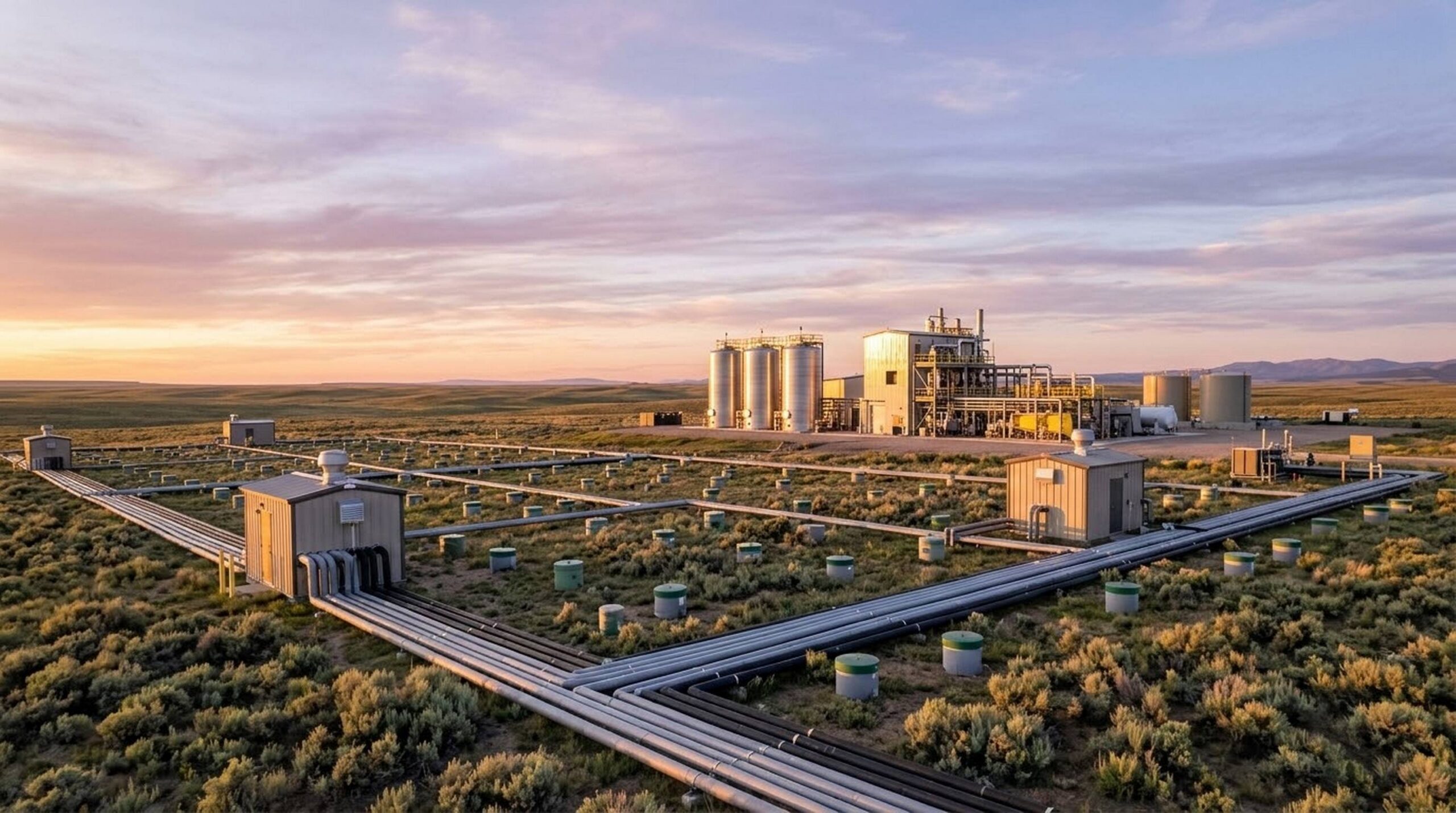
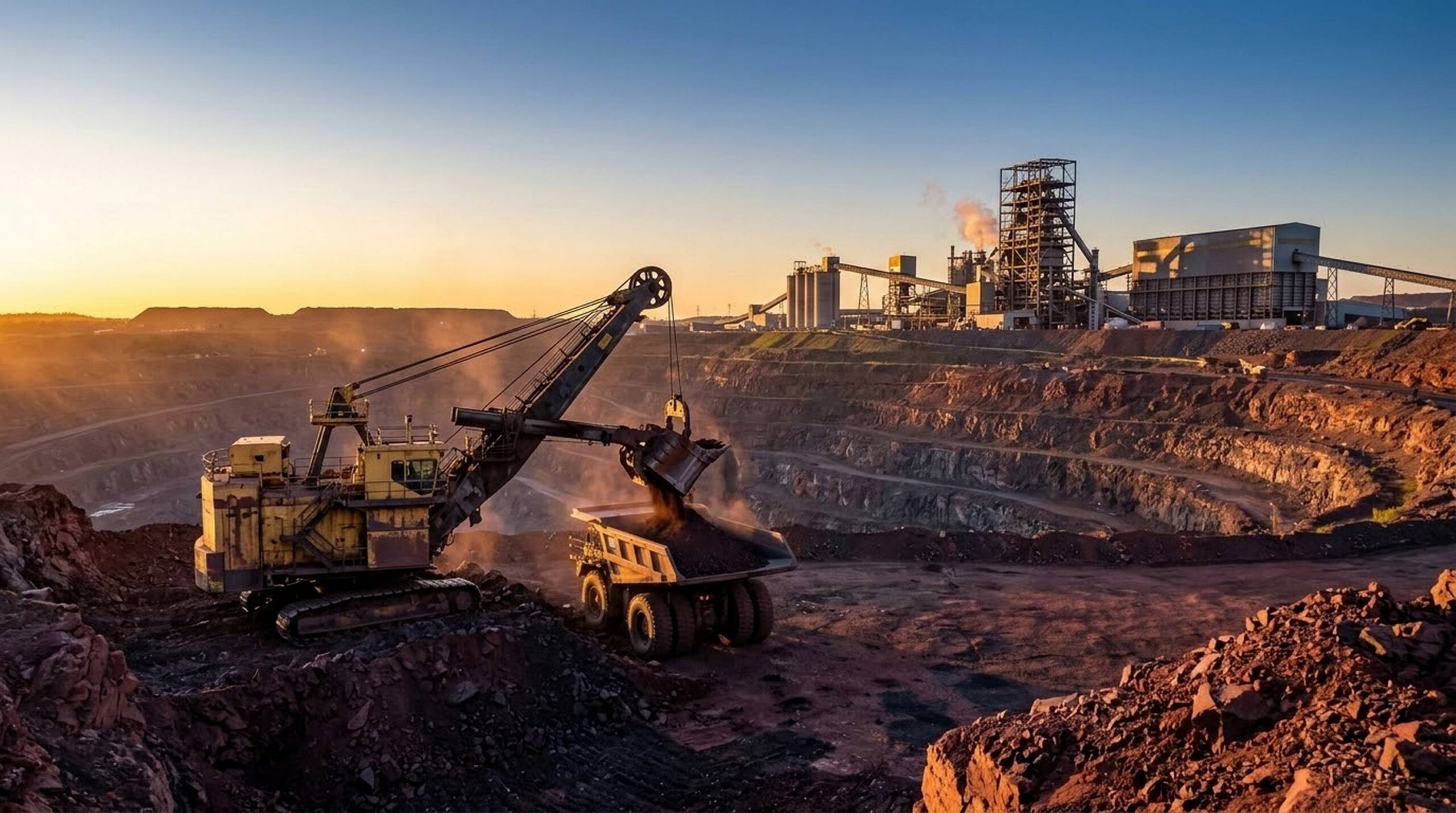
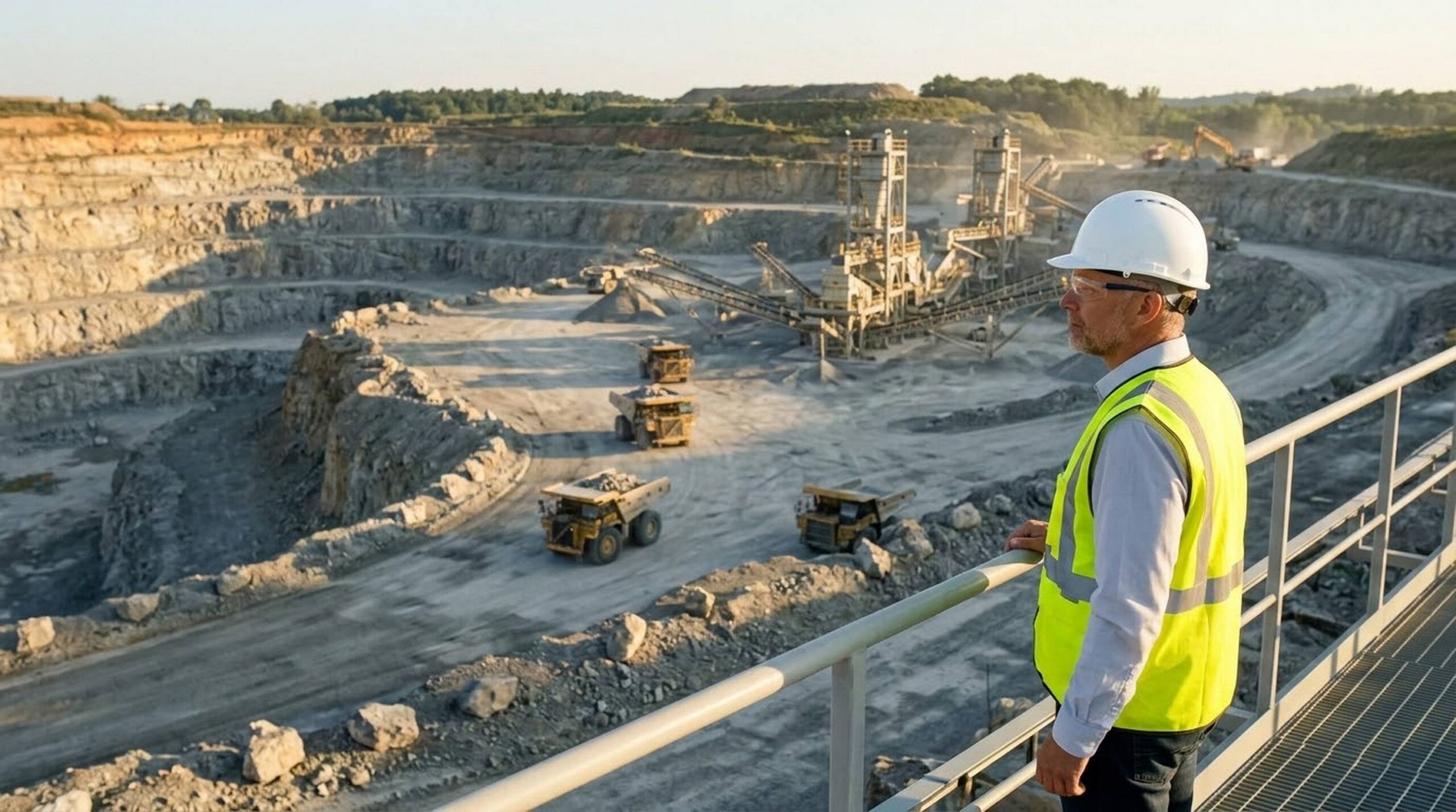
In the current era of American industrial transition, we simply cannot afford to leave assets behind. For decades, our landscape has been dotted with scars: old mines, abandoned foundries, silent chemical plants, and hollowed-out mills once viewed as environmental liabilities. These sites often sit atop the very infrastructure we need most, including high-voltage grid connections, rail spurs, and deep-water access.
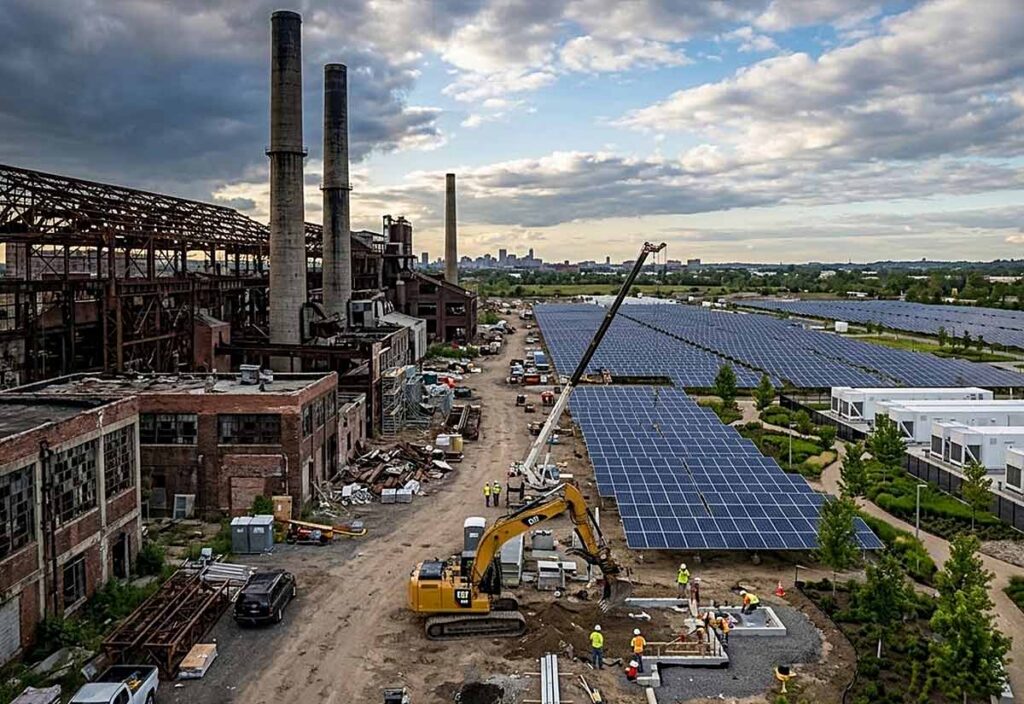
Under the 2026 industrial mandate, these Brownfields have moved from the sidelines to the center of the strategic map. As scarcity of land and power hits a physical wall, reclaiming these sites has become the primary tactical move for heavy industry. We are no longer waiting for Greenfield sites that take a decade to permit. We are reclaiming the industrial bedrock already under our feet.
The Florida Brownfield Blueprint: Turning the “Loot” into Logic
To understand how to win the land reclamation game, you look at the Florida DEP Brownfields Program. Florida stopped treating environmental cleanup as a regulatory punishment and started treating it as a high-performance partnership.
For the CEO-Engineer, the Florida model provides a blueprint for turning a “toxic” label into a strategic advantage:
- The Voluntary Cleanup Tax Credit (VCTC): This is the loot in the dirt. Florida offers a 50% tax credit on the cost of cleaning up a site, capped at $500,000 per year. This keeps vital capital in your operational budget rather than burying it in the soil.
- The Job Growth Bonus: Every high-performance industrial job created on a designated brownfield site earns a $2,500 tax refund. For an industrial facility bringing 200 engineers and operators to a region, that is $500,000 back in the vault. This is a direct reward for reclaiming industrial land.
- Liability Protection: The “Covenant Not to Sue” is the ultimate shield. Once a voluntary cleanup meets state standards, the owner is legally protected from the industrial ghosts of the previous tenants. This allows a company to own the future without being haunted by the past.
Beyond the Data Center: Heavy Industry’s New Missions
AI data centers are leading the charge for brownfield acquisition, primarily to secure legacy high-voltage grid connectivity for massive LLM clusters. However, the industrial mandate requires a much broader reclamation strategy.
1. The SMR and Nuclear Renaissance
An abandoned coal-fired power plant or an old mining site is the perfect tactical footprint for a Small Modular Reactor (SMR). These sites already possess the cooling water permits, heavy-duty switchyards, and reinforced foundations required for Gen IV nuclear energy. Reclaiming these sites allows us to plug in new, carbon-free baseload power directly into the existing grid without the five-year delay of a new transmission build.
2. Autonomous Logistics & Manufacturing
The massive, flat footprints of old steel mills and the cleared surfaces of reclaimed mines are being repurposed for autonomous trucking hubs and robotic manufacturing plants. Because these sites are already zoned for Heavy Industrial use, they allow for 24/7 autonomous operations without the regulatory friction or noise complaints common in suburban developments.
3. IGCC and Carbon-Capture Construction
As we move toward a carbon-efficient future, brownfields are becoming the natural home for Integrated Gasification Combined Cycle (IGCC) facilities. Using technology pioneered in Japan, we are gasifying carbon for power and using the captured CO2 to produce high-strength carbon concrete. This turns the site of a former industrial failure into the production hub for the very materials needed to rebuild our national infrastructure.
Benevolent Reclamation: From Liabilities to Legacies
Not every industrial scar needs to be a factory. We recognize that strategic land use often involves handing a portion of the site back to the public. This benevolent reclamation builds significant political capital and provides long-term tax offsets.
Successful Historical Reclamations:
- Gas Works Park (Seattle): A former coal gasification plant that was transformed into an iconic public park. By preserving the industrial skeletons as art, it proved that green and grit can coexist in an urban environment.
- Freshkills Park (New York): Once the world’s largest landfill, it is being transformed into a 2,200-acre park. This is nearly three times the size of Central Park.
- The SteelStacks (Bethlehem, PA): The old Bethlehem Steel site was repurposed into a cultural campus that preserved its historic blast furnaces. It successfully revitalized a dying industrial town while maintaining a perimeter for modern manufacturing.
The State-to-State Battle for Industrial Land
While Florida is the blueprint, other states are deploying aggressive incentives to attract the 2026 industrial surge:
- Michigan: The Transformational Brownfield Plan allows for the capture of sales and income taxes generated by a new project to fund the remediation costs. It is a self-funding model designed for high-impact manufacturing.
- Ohio: The JobsOhio Revitalization Program offers grants up to $1 million and loans up to $5 million for site preparation. Their focus is on turnkey sites to ensure the ground is ready for concrete on day one.
- Pennsylvania: The state is leveraging its Industrial Land Recycling programs to support the energy-intensive industries flocking to the region following the restart of the Three Mile Island (Crane Clean Energy Center) facility.
Conclusion: Reclaiming the Future
An abandoned industrial site or an old mine is not a wound. It is a reinforced position waiting for a new commander. Whether the mission is an AI data center, an SMR production line, or a community reserve, the Brownfield is where the strategic advantage is hidden.
At Resource Erectors, we are the gatekeepers of the talent required to lead these transformations. From environmental engineers who can navigate the DEP to site superintendents who understand heavy earthmoving, we find the specialized professionals who build the future.
Bubba Clyde’s inside tip: Don’t wait for a Greenfield that might never get permitted. Claim the Brownfield. Reclaim the Grit.
Are you ready to claim your place in the new industrial era?
- Candidates: Environmental engineers and site leads, explore high-performance roles here.
- Employers: Need the talent to navigate a complex site reclamation? Connect with our recruitment experts.
Submit your resume for general consideration to Resource Erectors today.
In the rapidly shifting landscape of heavy industry, the most significant career advancements often occur through confidential channels long after a strategic need is identified but long before a position is ever posted to a public board.
At Resource Erectors, we serve as the bridge between specialized top-tier talent and heavy industry employers who require a specific breed of grit and technical expertise. By establishing this connection now, you position yourself to be the first candidate considered when a critical role opens that matches your professional trajectory.